imaginX is used by many amazing schools and universities

University / College
Learning Objectives

At the end of this simulation, you will be able to:
  • Develop the ability to recognize the early signs and symptoms of Acute Ischemic Stroke (AIS) to facilitate prompt intervention.
  • Practice the appropriate emergency response actions required when encountering a potential stroke case, including activating the stroke team and initiating a rapid assessment.
  • Enhance neurological assessment skills to quickly and accurately evaluate a patients neurological status, including the use of validated stroke scales.
  • Experience the time-sensitive decision-making process involved in determining eligibility for time-sensitive treatments such as intravenous thrombolysis and endovascular therapy.
  • Learn the proper procedures and considerations for administering intravenous thrombolytic therapy, understanding the risks and benefits associated with this time-sensitive intervention.

How do virtual labs work?

Enhance students' involvement in science by immersing them in interactive learning scenarios. Create simulations for experiments, provide hands-on training in laboratory techniques, and convey theoretical concepts through captivating visual experiences to improve their overall long-term learning outcomes.

  • Access web-based simulations that are compatible with laptops, Chromebooks, tablets, and iPads, eliminating the need for software installation.
  • Incorporate a teacher dashboard for automated grading and monitoring of student progress.
  • Utilize embedded quizzes to assist students in mastering scientific content.
  • Comprehensive repository of educational materials, including learning resources, lab reports, videos, theory pages, graphics, and more.

Relevant Course Packages All Course Packages

Dehydration

The Dehydration XR simulation provides healthcare professionals with an interactive learning experience on how to manage dehydration, a condition that occurs when the body loses more fluid than it takes in. Through realistic scenarios, users can practice identifying the signs and symptoms of dehydration, such as dry mouth, decreased urine output, and lethargy, and initiating appropriate interventions, such as fluid replacement therapy. The simulation aims to improve clinical decision-making and patient outcomes in the management of dehydration.

Generalized Tonic- Clonic Seizures

The Generalized Tonic-Clonic Seizures XR simulation provides healthcare professionals with an interactive learning experience on how to manage generalized tonic-clonic seizures, also known as grand mal seizures. Through realistic scenarios, users can practice identifying the signs and symptoms of these seizures, such as loss of consciousness, stiffening of the body, and rhythmic jerking movements, and initiating appropriate interventions, such as ensuring patient safety, protecting the airway, and providing comfort. The simulation aims to improve clinical decision-making and patient outcomes in the management of generalized tonic-clonic seizures.

Bipolar Disorder

The Bipolar Disorder XR simulation provides users with an immersive experience of living with bipolar disorder. Through realistic scenarios, users can explore the highs of mania and the lows of depression, gaining insight into the emotional and behavioral fluctuations associated with the disorder. The simulation aims to increase empathy, understanding, and awareness of bipolar disorder, helping to reduce stigma and promote support for those affected.

Severe Preeclampsia

The Severe Preeclampsia XR simulation provides healthcare professionals with an immersive learning experience on how to manage severe preeclampsia in pregnant patients. Through realistic scenarios, users can practice identifying the signs and symptoms of severe preeclampsia, making critical clinical decisions, and initiating appropriate treatment strategies to improve maternal and fetal outcomes. The simulation aims to enhance clinical skills and knowledge in managing this serious pregnancy complication.

Peripheral Vascular System Assessment

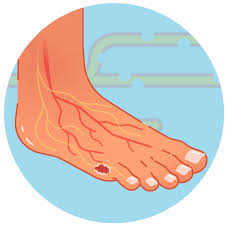
The Peripheral Vascular System Assessment Extended Reality (XR) simulation provides healthcare professionals with an immersive learning experience to assess and evaluate the peripheral vascular system in patients. Through interactive scenarios and realistic simulations, participants learn to conduct comprehensive assessments of peripheral pulses, skin temperature, color, and capillary refill time. This simulation enhances clinical skills, diagnostic accuracy, and interdisciplinary collaboration, ultimately improving the quality of care and patient outcomes in the assessment of peripheral vascular disorders.

Schizophrenia, Part 1

The Schizophrenia, Part 1 XR simulation is a concise and immersive educational tool utilizing Extended Reality to provide healthcare professionals and students with a realistic learning experience about schizophrenia. In this simulation, users engage in lifelike scenarios, interactive assessments, and immediate feedback to enhance their understanding of schizophrenias symptoms, its impact on individuals, and initial approaches to care. The simulation aims to equip users with valuable insights and skills in recognizing and addressing schizophrenia within a controlled and engaging virtual environment.

LMS Integration

imaginX seamlessly integrates with leading LMS (Learning Management Systems), enabling educators to track student performance and allowing students to maintain their work records. It is compatible with popular platforms such as Canvas, Blackboard, Moodle, Google Classroom, Schoology, Sakai, Brightspace/D2L, and can also be used independently of an LMS.

Platform Features

Unlimited users faculty & students
Simulations
Simulations
Pedagogy Experts
Pedagogy Experts
Gamification
Gamification
Multiplayer
Multiplayer
Networking
Networking
Assignments
Assignments
Auto Grading
Auto Grading
AI
AI
LMS Integartion
LMS Integartion
Go Back Top