imaginX is used by many amazing schools and universities

University / College
Learning Objectives

At the end of this simulation, you will be able to:
  • Users can learn to recognize the symptoms of hypoglycemia in patients with diabetes, including sweating, shaking, confusion, and dizziness.
  • The simulation provides insights into the appropriate treatment protocols for managing hypoglycemia, including the use of glucose tablets, glucagon injections, and intravenous dextrose.
  • Users can practice educating patients about the signs and symptoms of hypoglycemia, as well as the importance of regular blood glucose monitoring and carbohydrate intake.
  • The simulation can enhance users ability to make clinical decisions in real-time scenarios, such as determining when to administer glucose or glucagon based on the severity of hypoglycemia.

How do virtual labs work?

Enhance students' involvement in science by immersing them in interactive learning scenarios. Create simulations for experiments, provide hands-on training in laboratory techniques, and convey theoretical concepts through captivating visual experiences to improve their overall long-term learning outcomes.

  • Access web-based simulations that are compatible with laptops, Chromebooks, tablets, and iPads, eliminating the need for software installation.
  • Incorporate a teacher dashboard for automated grading and monitoring of student progress.
  • Utilize embedded quizzes to assist students in mastering scientific content.
  • Comprehensive repository of educational materials, including learning resources, lab reports, videos, theory pages, graphics, and more.

Relevant Course Packages All Course Packages

Status Epilepticus

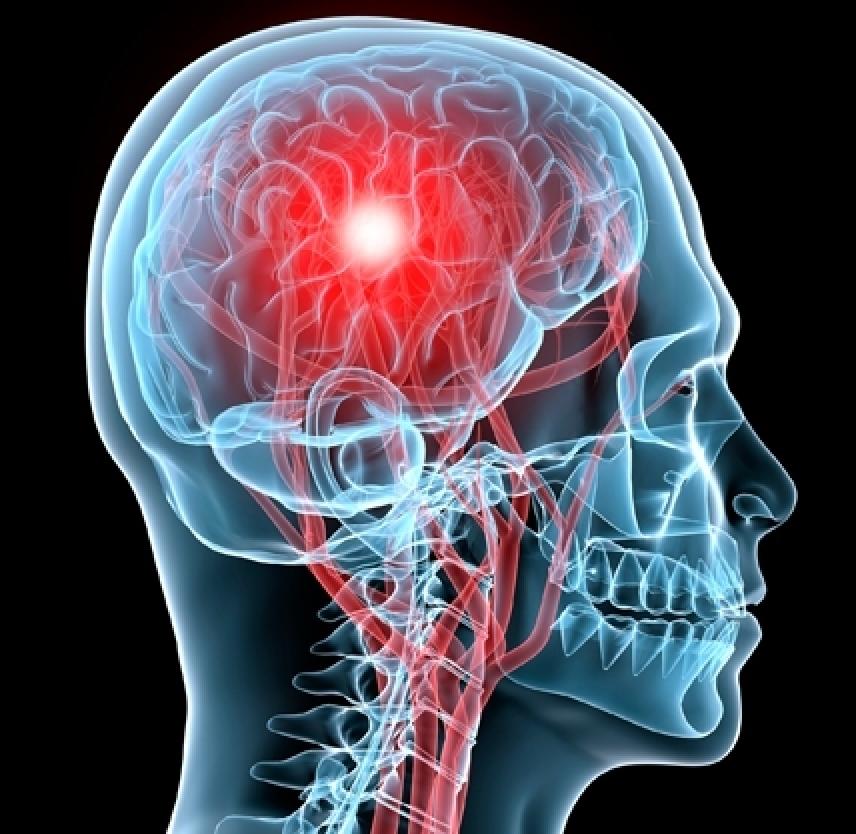
The Status Epilepticus XR simulation provides healthcare professionals with an interactive learning experience on how to manage status epilepticus, a life-threatening condition characterized by prolonged seizures. Through realistic scenarios, users can practice identifying the signs and symptoms of status epilepticus, initiating appropriate interventions (such as administering antiepileptic medications and providing respiratory support), and monitoring the patient for complications. The simulation aims to improve clinical decision-making and patient outcomes in the management of status epilepticus.

Coping After the Loss of Partner

The Coping After the Loss of Partner XR simulation is a brief yet impactful educational tool leveraging Extended Reality to provide individuals with a realistic and immersive learning experience in dealing with grief and loss. The simulation offers a compassionate and supportive virtual environment where users can navigate the emotional journey of coping after the loss of a partner. Through interactive scenarios, guided coping strategies, and empathetic feedback, users have the opportunity to develop resilience and coping mechanisms in a controlled and engaging setting. The simulation aims to foster a better understanding of the grieving process and provide users with valuable tools to navigate their grief journey after the loss of a partner.

Management of Morphine Overdose in a Hospitalized Patient

The Management of Morphine Overdose in a Hospitalized Patient XR simulation provides healthcare professionals with an interactive learning experience on how to effectively manage a morphine overdose in a hospitalized patient. Through realistic scenarios, users can practice identifying the signs and symptoms of morphine overdose, initiating appropriate interventions (such as naloxone administration), and monitoring the patient for complications. The simulation aims to improve clinical decision-making and patient outcomes in the management of morphine overdose.

Gastroenteritis

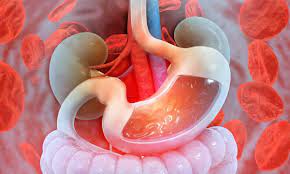
The Gastroenteritis XR simulation provides healthcare professionals with an interactive learning experience on how to manage gastroenteritis, an inflammation of the stomach and intestines commonly caused by viral or bacterial infections. Through realistic scenarios, users can practice identifying the signs and symptoms of gastroenteritis, such as diarrhea, vomiting, and abdominal pain, and initiating appropriate interventions, such as fluid replacement and symptom management. The simulation aims to improve clinical decision-making and patient outcomes in the management of gastroenteritis.

Adjustment Disorder with Depressed Mood

The Adjustment Disorder with Depressed Mood XR simulation offers a realistic experience of the emotional challenges faced by individuals with this condition. Users can explore various scenarios that simulate the symptoms of adjustment disorder, such as feelings of sadness, hopelessness, and difficulty coping with life stressors. The simulation aims to increase empathy and understanding of adjustment disorder while raising awareness about mental health issues.

Moderate Postpartum Hemorrhage

The Moderate Postpartum Hemorrhage XR simulation provides healthcare professionals with an interactive learning experience on how to manage moderate postpartum hemorrhage. Through realistic scenarios, users can practice identifying the signs of postpartum hemorrhage, implementing appropriate interventions, and monitoring the patients condition. The simulation aims to improve clinical decision-making and patient outcomes in the management of postpartum hemorrhage.

LMS Integration

imaginX seamlessly integrates with leading LMS (Learning Management Systems), enabling educators to track student performance and allowing students to maintain their work records. It is compatible with popular platforms such as Canvas, Blackboard, Moodle, Google Classroom, Schoology, Sakai, Brightspace/D2L, and can also be used independently of an LMS.

Platform Features

Unlimited users faculty & students
Simulations
Simulations
Pedagogy Experts
Pedagogy Experts
Gamification
Gamification
Multiplayer
Multiplayer
Networking
Networking
Assignments
Assignments
Auto Grading
Auto Grading
AI
AI
LMS Integartion
LMS Integartion
Go Back Top