imaginX is used by many amazing schools and universities

University / College
Learning Objectives

At the end of this simulation, you will be able to:
  • Investigate the mechanical, thermal, and chemical properties of various materials such as metals, polymers, ceramics, and composites.
  • Understand how to select materials for specific applications by considering strength, corrosion resistance, and thermal stability.
  • Analyze the performance of different materials in real-world engineering contexts through virtual experiments.
  • Evaluate the cost-effectiveness of materials for use in various engineering designs.
  • Gain insights into the latest innovations in material science and their applications in modern engineering.

How do virtual labs work?

Enhance students' involvement in science by immersing them in interactive learning scenarios. Create simulations for experiments, provide hands-on training in laboratory techniques, and convey theoretical concepts through captivating visual experiences to improve their overall long-term learning outcomes.

  • Access web-based simulations that are compatible with laptops, Chromebooks, tablets, and iPads, eliminating the need for software installation.
  • Incorporate a teacher dashboard for automated grading and monitoring of student progress.
  • Utilize embedded quizzes to assist students in mastering scientific content.
  • Comprehensive repository of educational materials, including learning resources, lab reports, videos, theory pages, graphics, and more.

Relevant Course Packages All Course Packages

Residential Electrical Systems Simulation

Familiarize students with the design, installation, and maintenance of residential electrical systems. Through virtual simulations, students will install wiring for outlets, lighting, and breakers in a virtual house, practicing the principles and safety protocols involved in residential electrical systems. Scenarios will cover National Electrical Code (NEC) requirements, with real-time feedback on adherence to safety standards and proper installation techniques.

Digital Electronics and Logic Design

The Digital Electronics and Logic Design module immerses students in virtual labs where they design, simulate, and analyze digital circuits. Through interactive scenarios and hands-on exercises, students work with basic and advanced digital components, gaining insights into logic operations, circuit simplification, and timing analysis in digital systems.

Clinical Equipment Calibration and Maintenance

Provide hands-on training in the calibration, maintenance, and troubleshooting of clinical equipment used in hospitals and research labs through immersive XR simulations. Students will interact with devices like ventilators, infusion pumps, ECG machines, and defibrillators to enhance their technical skills and ensure optimal device performance.

Mechanical Ventilation Management

Equip students with the skills to manage mechanical ventilation for patients with respiratory failure using immersive XR simulations. Students will explore virtual environments where they adjust ventilator settings, manage different ventilation modes, and optimize respiratory support for various patient conditions.

Wind Tunnel Testing and Aerodynamic Optimization

Gain hands-on experience in wind tunnel testing to study the aerodynamic behavior of aircraft models and optimize designs for improved flight performance. Using virtual wind tunnel environments, students will explore how lift, drag, and flow separation are affected by various aerodynamic factors. With interactive tools, they can adjust test conditions like wind speed, angle of attack, and turbulence levels, while receiving feedback on optimizing wing and fuselage shapes for maximum efficiency.

Chiller System Installation and Maintenance

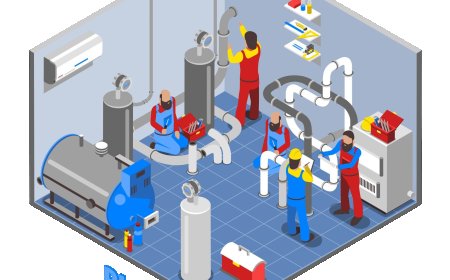
The Chiller System Installation and Maintenance Simulation trains students on the installation, maintenance, and troubleshooting of chiller systems used in commercial buildings for large-scale cooling applications. Students will practice virtually installing air-cooled and water-cooled chiller systems, connecting them to cooling towers and air handlers. Maintenance tasks include cleaning chiller tubes, monitoring refrigerant levels, and inspecting compressors. Troubleshooting scenarios will focus on issues like reduced cooling capacity, refrigerant leaks, and mechanical failures. Real-time feedback will be provided on system performance, energy consumption, and efficiency optimization.

LMS Integration

imaginX seamlessly integrates with leading LMS (Learning Management Systems), enabling educators to track student performance and allowing students to maintain their work records. It is compatible with popular platforms such as Canvas, Blackboard, Moodle, Google Classroom, Schoology, Sakai, Brightspace/D2L, and can also be used independently of an LMS.

Platform Features

Unlimited users faculty & students
Simulations
Simulations
Pedagogy Experts
Pedagogy Experts
Gamification
Gamification
Multiplayer
Multiplayer
Networking
Networking
Assignments
Assignments
Auto Grading
Auto Grading
AI
AI
LMS Integartion
LMS Integartion
Go Back Top