imaginX is used by many amazing schools and universities

University / College

Learning Objectives

At the end of this simulation, you will be able to:
  • Develop skills in conducting comprehensive dietary assessments, including dietary history, food diaries, and nutritional screenings.
  • Gain a thorough understanding of individual nutrient requirements across different life stages, considering factors such as age, gender, and health status.
  • Learn to create personalized nutrition plans, considering specific dietary needs, preferences, and health goals of individuals.
  • Enhance the ability to interpret food labels accurately, including understanding nutritional information and making informed choices based on dietary guidelines.
  • Explore the impact of nutrition on various health conditions such as diabetes, cardiovascular diseases, and obesity, and understand how dietary interventions can be used in management.

How do virtual labs work?

Enhance students' involvement in science by immersing them in interactive learning scenarios. Create simulations for experiments, provide hands-on training in laboratory techniques, and convey theoretical concepts through captivating visual experiences to improve their overall long-term learning outcomes.

  • Access web-based simulations that are compatible with laptops, Chromebooks, tablets, and iPads, eliminating the need for software installation.
  • Incorporate a teacher dashboard for automated grading and monitoring of student progress.
  • Utilize embedded quizzes to assist students in mastering scientific content.
  • Comprehensive repository of educational materials, including learning resources, lab reports, videos, theory pages, graphics, and more.

Relevant Course Packages All Course Packages

Treatment of Hypoglycemia in a Hospitalized Patient with Type II Diabetes

The Treatment of Hypoglycemia in a Hospitalized Patient with Type II Diabetes XR simulation provides healthcare professionals with an interactive learning experience on how to effectively manage hypoglycemia in hospitalized patients with type II diabetes. Through realistic scenarios, users can practice identifying and treating hypoglycemic episodes, including selecting appropriate medications and adjusting treatment regimens. The simulation aims to improve clinical decision-making and patient outcomes in this specific clinical setting.

Dehydration

The Dehydration XR simulation provides healthcare professionals with an interactive learning experience on how to manage dehydration, a condition that occurs when the body loses more fluid than it takes in. Through realistic scenarios, users can practice identifying the signs and symptoms of dehydration, such as dry mouth, decreased urine output, and lethargy, and initiating appropriate interventions, such as fluid replacement therapy. The simulation aims to improve clinical decision-making and patient outcomes in the management of dehydration.

Moderate Postpartum Hemorrhage

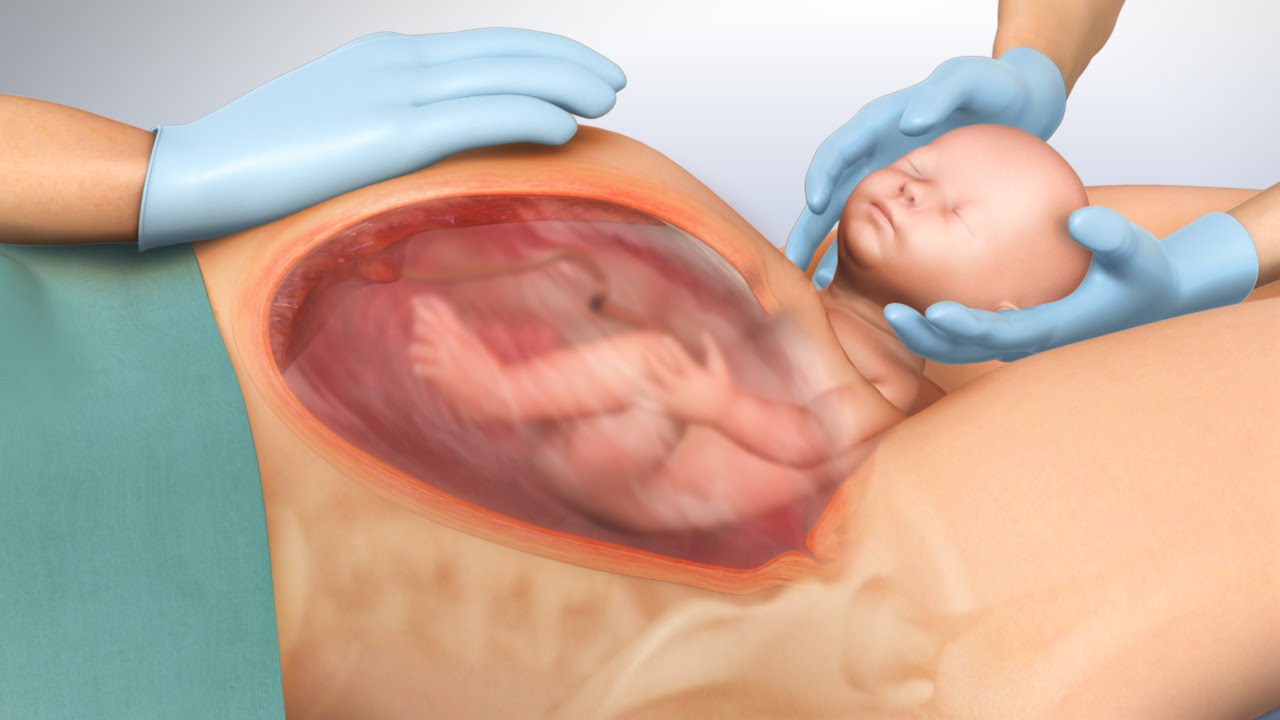
The Moderate Postpartum Hemorrhage XR simulation provides healthcare professionals with an interactive learning experience on how to manage moderate postpartum hemorrhage. Through realistic scenarios, users can practice identifying the signs of postpartum hemorrhage, implementing appropriate interventions, and monitoring the patients condition. The simulation aims to improve clinical decision-making and patient outcomes in the management of postpartum hemorrhage.

Normal Abbreviated Head-to-Toe Assessment, General Survey, and Vital Signs

The Normal Abbreviated Head-to-Toe Assessment, General Survey, and Vital Signs Extended Reality (XR) simulation provides healthcare professionals with an interactive learning experience to conduct a comprehensive assessment of a patients overall health status. Through realistic scenarios and interactive modules, participants learn to perform a systematic head-to-toe assessment, including general survey, vital signs measurement, and evaluation of key body systems. This simulation enhances clinical skills, diagnostic accuracy, and interdisciplinary collaboration, ultimately improving the quality of patient care and outcomes.

Post Traumatic Stress Disorder (PTSD) and Traumatic Brain Injury (TBI)

The Post Traumatic Stress Disorder (PTSD) and Traumatic Brain Injury (TBI) XR simulation offers users a firsthand experience of the challenges faced by individuals living with PTSD and TBI. Through immersive scenarios, users can explore the symptoms of these conditions, including flashbacks, anxiety, memory issues, and cognitive difficulties. The simulation aims to increase empathy, understanding, and awareness of PTSD and TBI, helping to reduce stigma and promote support for those affected.

Spinal Cord Injury

Embark on a virtual journey to understand the impact of Spinal Cord Injury (SCI). This immersive simulation replicates the challenges faced by individuals with SCI, offering a firsthand experience of altered mobility, sensory loss, and daily life adaptations. Navigate through the complexities of mobility aids, adaptive technologies, and emotional resilience, gaining insights into the profound impact of SCI on the individuals life. This XR simulation aims to foster empathy, awareness, and a deeper understanding of the unique challenges associated with spinal cord injuries.

LMS Integration

imaginX seamlessly integrates with leading LMS (Learning Management Systems), enabling educators to track student performance and allowing students to maintain their work records. It is compatible with popular platforms such as Canvas, Blackboard, Moodle, Google Classroom, Schoology, Sakai, Brightspace/D2L, and can also be used independently of an LMS.

Platform Features

Unlimited users faculty & students
Simulations
Simulations
Pedagogy Experts
Pedagogy Experts
Gamification
Gamification
Multiplayer
Multiplayer
Networking
Networking
Assignments
Assignments
Auto Grading
Auto Grading
AI
AI
LMS Integartion
LMS Integartion
Go Back Top