- Provide an overview of the various elements found within eukaryotic cells, both within and outside the cell.
imaginX is used by many amazing schools and universities

University / College
Assist in identifying the bears last meal by constructing the framework and selecting the internal organelles for the four fundamental types of animal cells located within the bears oral cavity.
University / College
Enhance students' involvement in science by immersing them in interactive learning scenarios. Create simulations for experiments, provide hands-on training in laboratory techniques, and convey theoretical concepts through captivating visual experiences to improve their overall long-term learning outcomes.
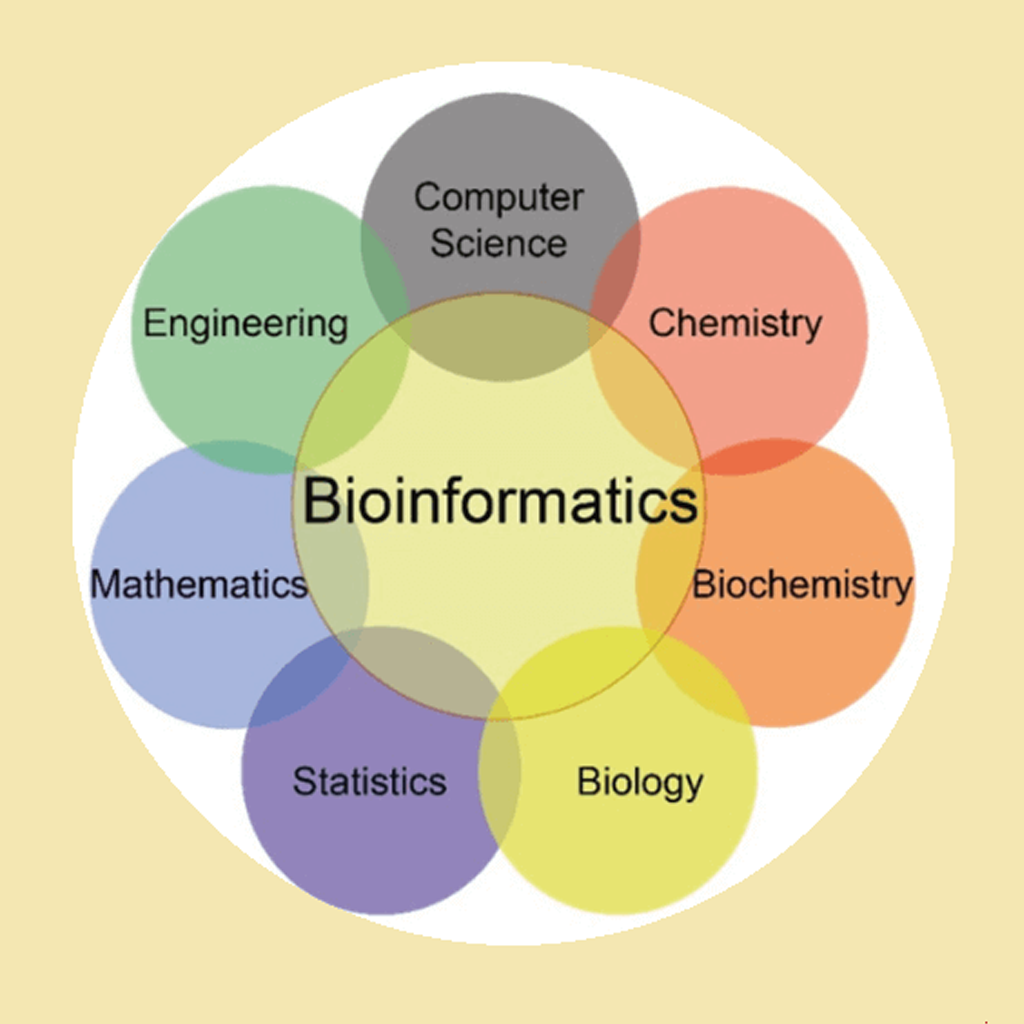
Embark on a Quest to Uncover the Metabolic Pathway Responsible for Producing an Antimalarial Compound in an Uncommon Plant. Can You Initiate the Journey Towards Developing a New Antimalarial Medication?
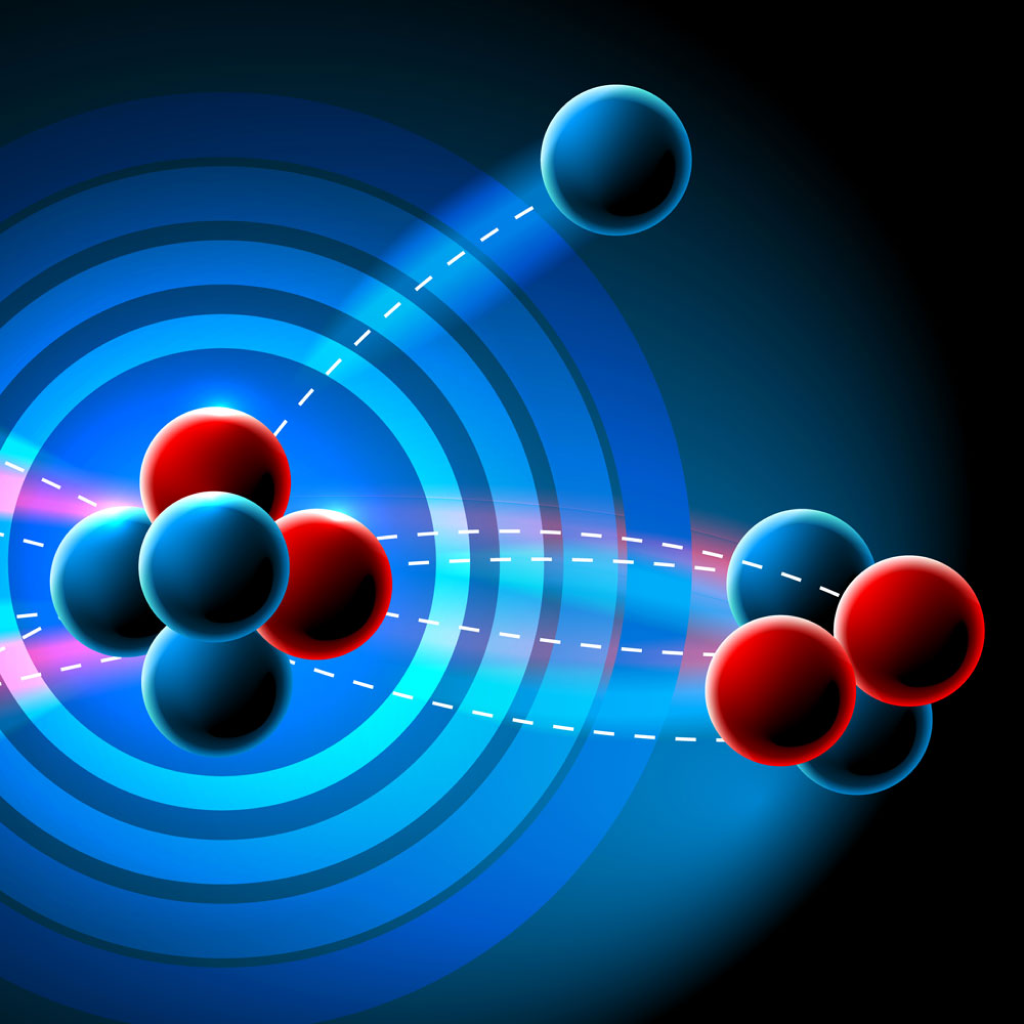
A meteor impact on Earth! Utilize a Geiger counter to investigate the crash site and retrieve a radioactive sample for analysis in the laboratory. Explore the concepts of decay types, decay series, and half-life while collaborating with iXGenie and Marie Curie to unravel the mysteries concealed within the meteor.

Gain knowledge about the monogenic disorder known as Cystic Fibrosis and its inheritance pattern as it passes from one generation to the next.
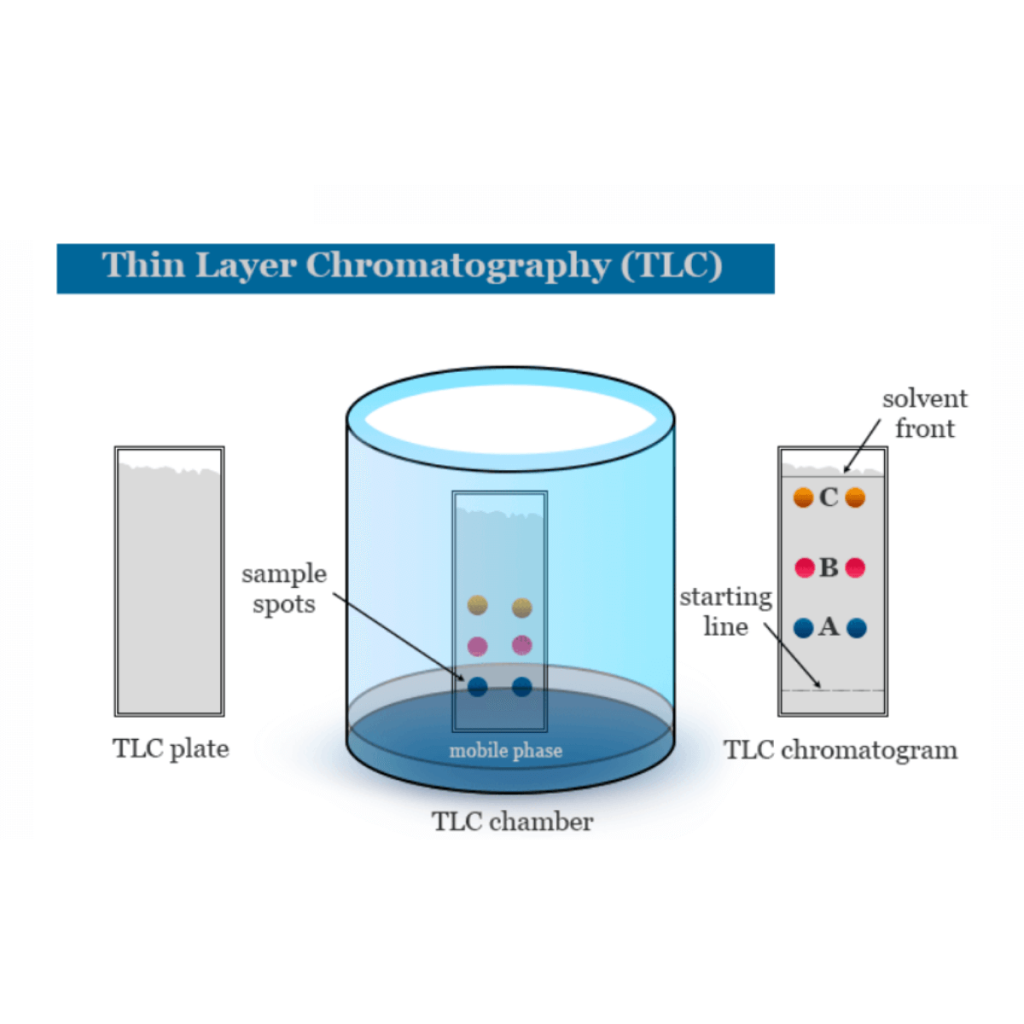
Explore the intermolecular forces at play in Thin Layer Chromatography. Apply this recently acquired understanding to construct, execute, and assess a TLC experiment, tracking the advancement of a chemical reaction.

Explore Alcohol Flush Syndrome through the examination of Alcohol Dehydrogenase kinetics. Gain proficiency in spectrophotometer usage, conduct enzyme kinetics experiments, analyze data, and comprehend various inhibition mechanisms.

Immerse yourself in a firsthand exploration of energy transfer within a food web, navigating the journey of a zebra towards its feeding ground by interacting with organisms at various trophic levels in this simulation.
imaginX seamlessly integrates with leading LMS (Learning Management Systems), enabling educators to track student performance and allowing students to maintain their work records. It is compatible with popular platforms such as Canvas, Blackboard, Moodle, Google Classroom, Schoology, Sakai, Brightspace/D2L, and can also be used independently of an LMS.