- Describe and utilize the scientific method.
- Devise an experiment and validate a hypothesis.
- Appropriately employ experimental control groups.
imaginX is used by many amazing schools and universities

University / College
Take on the role of a pharmaceutical investigator to establish the connection between a novel drug and a recent outbreak. Employ the scientific method to formulate an experiment and conduct a fluorescent cell assay to assess your hypothesis.
University / College
Enhance students' involvement in science by immersing them in interactive learning scenarios. Create simulations for experiments, provide hands-on training in laboratory techniques, and convey theoretical concepts through captivating visual experiences to improve their overall long-term learning outcomes.

Assist a microbiologist in creating a pristine culture for the identification of an infection-causing microbe. Employ proper aseptic techniques to prevent sample contamination, prioritize your safety, and minimize unexpected lab incidents, such as fires.

Explore the relationship between the growth of blood vessels and the progression of cancer, and apply this understanding to pinpoint a potential treatment for breast cancer.
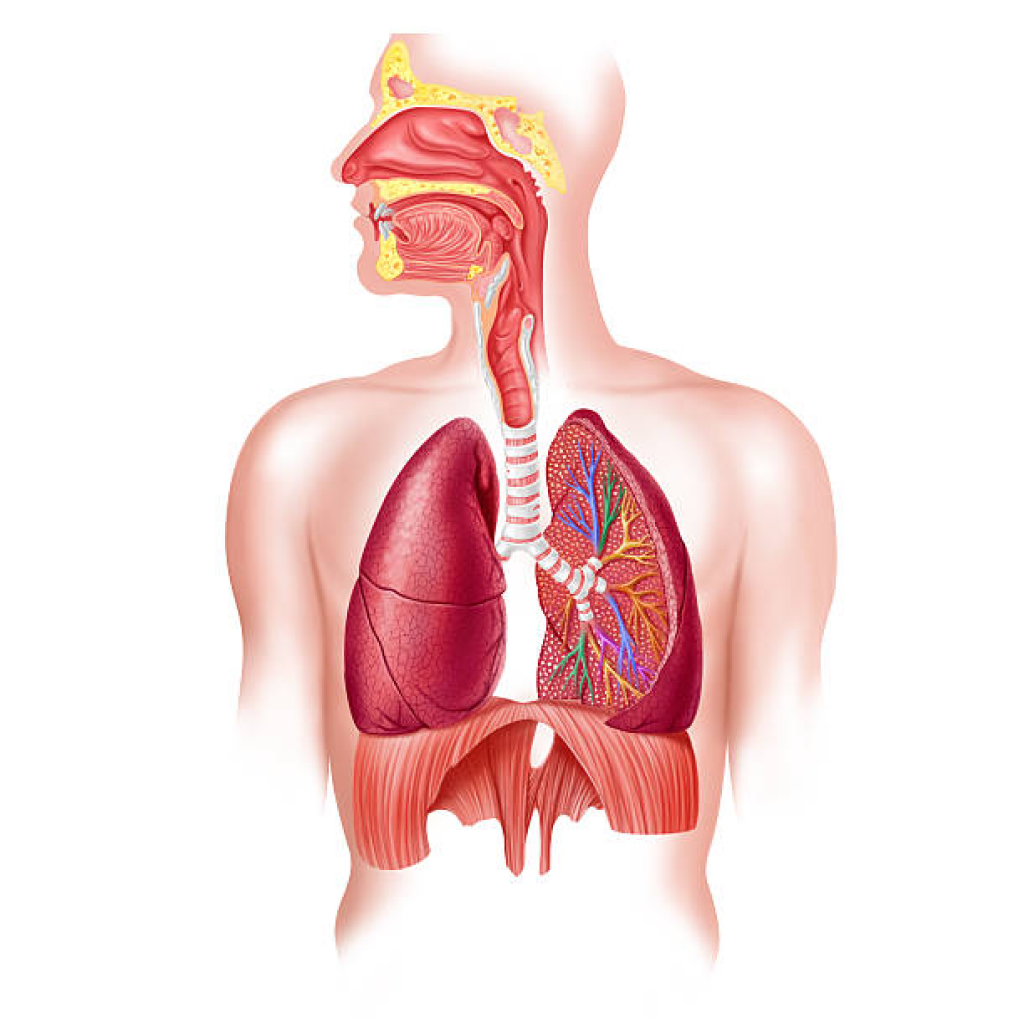
Explore the upper and lower respiratory tracts structure and functions as you reconstruct a damaged model of the respiratory system. Trace the path of air from the nasal cavity to the alveoli on an informative journey.

Examine the impact of fertilizers on the phosphorus cycle and aid the inhabitants of Astakos IV in enhancing crop productivity while maintaining environmental integrity.
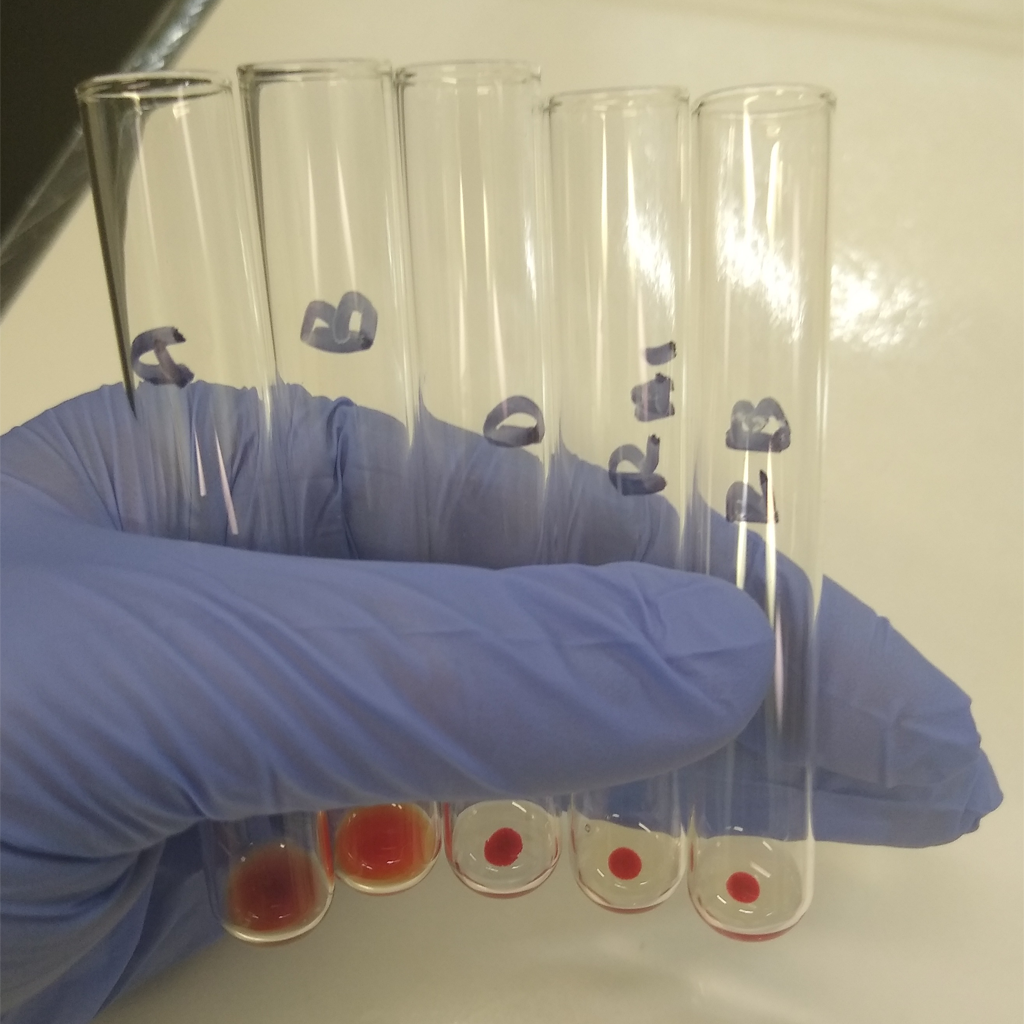
Explore the fundamentals of antibodies, antigens, the ABO blood group system, and the Rhesus factor, and their critical roles in blood transfusions. Next, assist a young couple in assessing the potential risk of Rhesus disease in their upcoming child.

Collaborate with a team of motorsport engineers to acquire a fundamental understanding of Newtons laws of motion. Grasp the essential principles of both passive and active safety when operating a high-performance race car.
imaginX seamlessly integrates with leading LMS (Learning Management Systems), enabling educators to track student performance and allowing students to maintain their work records. It is compatible with popular platforms such as Canvas, Blackboard, Moodle, Google Classroom, Schoology, Sakai, Brightspace/D2L, and can also be used independently of an LMS.