- Differentiate between physical and chemical changes.
- Categorize alterations as either physical or chemical.
imaginX is used by many amazing schools and universities

University / College
Acquire knowledge about physical and chemical changes in the realm of science while attempting to assist a scientist in their escape from a perilous planet.
University / College
Enhance students' involvement in science by immersing them in interactive learning scenarios. Create simulations for experiments, provide hands-on training in laboratory techniques, and convey theoretical concepts through captivating visual experiences to improve their overall long-term learning outcomes.

Examine the microscopic composition of the small intestine and explore the benefits and constraints of light, fluorescence, and electron microscopy.

Accompany Newton in his garden and embark on a space voyage to delve into the concept of gravity in the cosmic realm. Grasp the significance of each component in the equation of the universal law of gravitation and apply this knowledge to anticipate the gravitational pull between two celestial bodies.
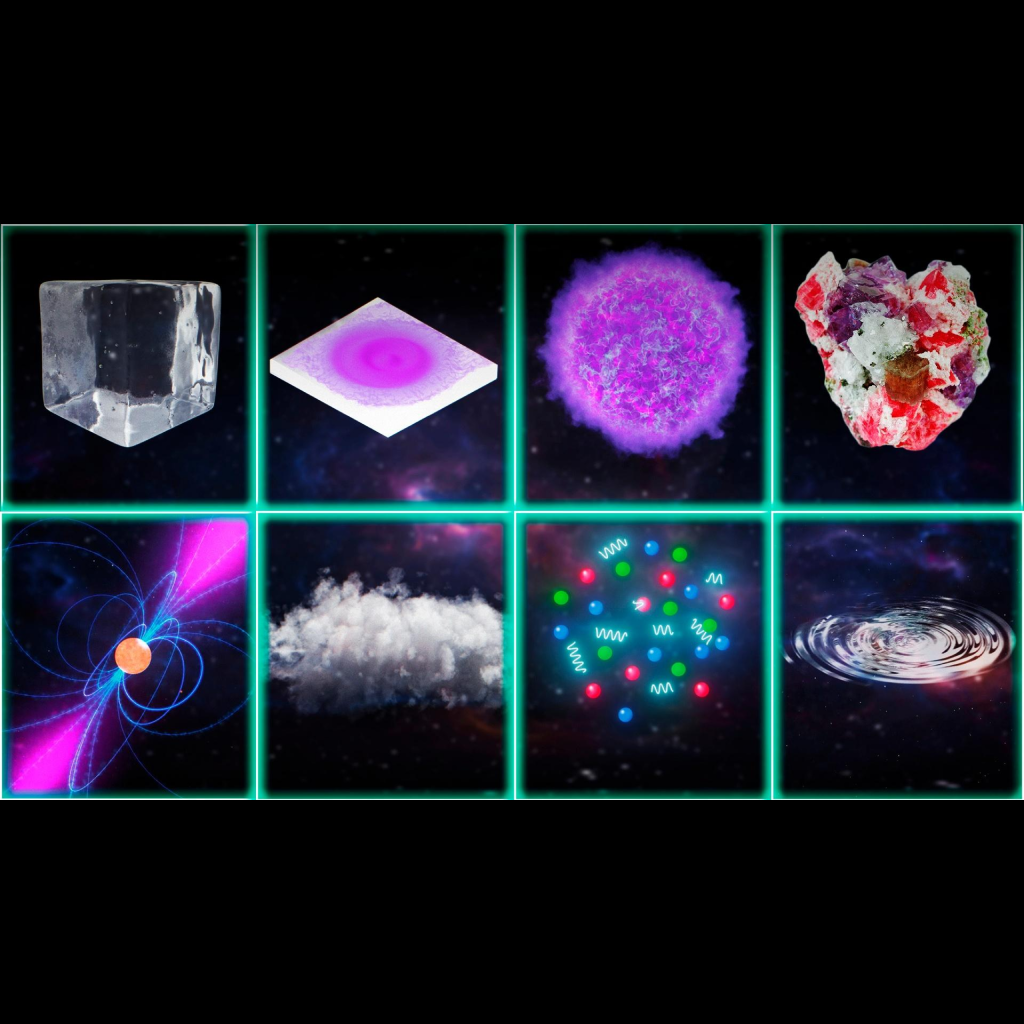
Immerse yourself in water at the molecular level to gain insights into how molecules behave in the three distinct states of matter: solid, liquid, and gas. Explore the bonding interactions among molecules throughout various phase transitions.

Explore Earths primary biomes and their geographical distribution using our innovative Biome Generator. You can modify various parameters to create your custom biome and observe the immediate outcomes of your adjustments!
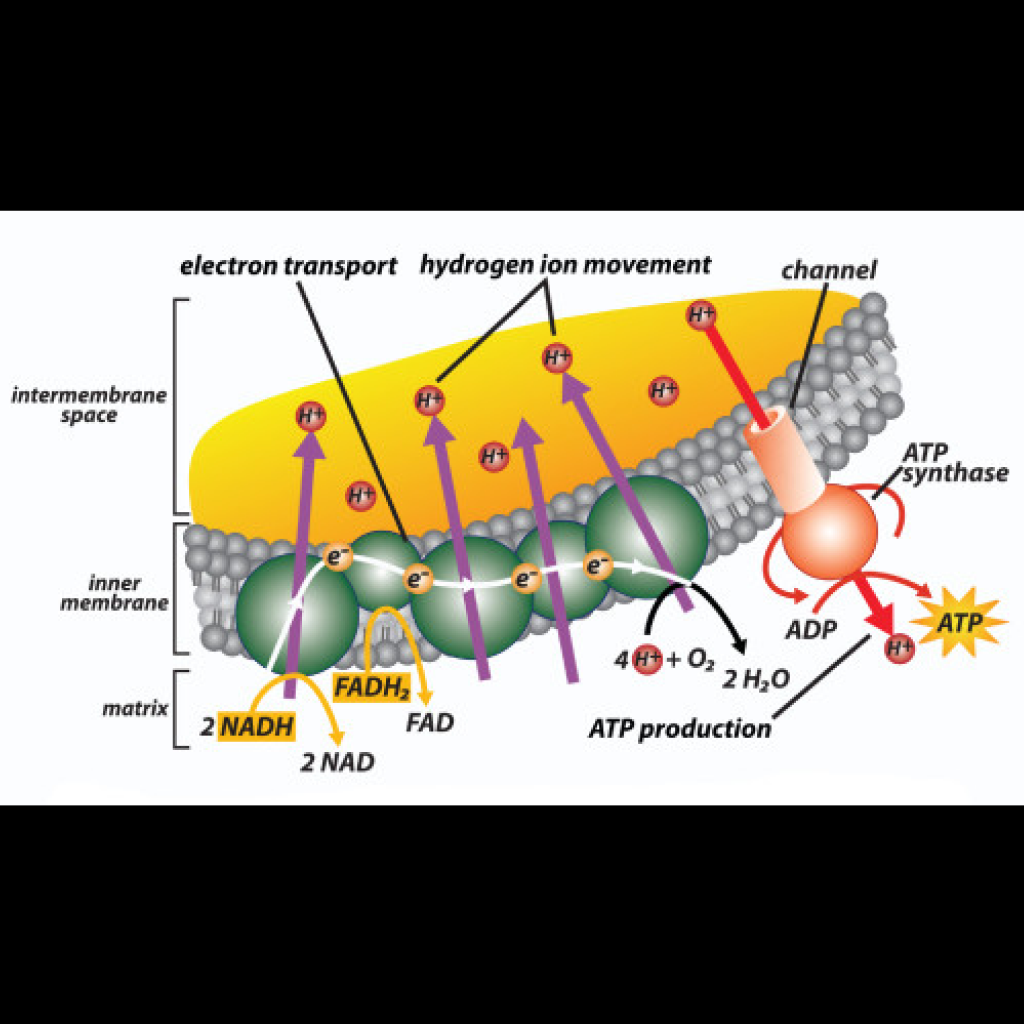
Assist local basketball athletes in comprehending the conversion of their dietary intake into energy through the process of cellular respiration. Employ a mouse model to investigate the impact of exercise intensity on the utilization of oxygen and glucose.
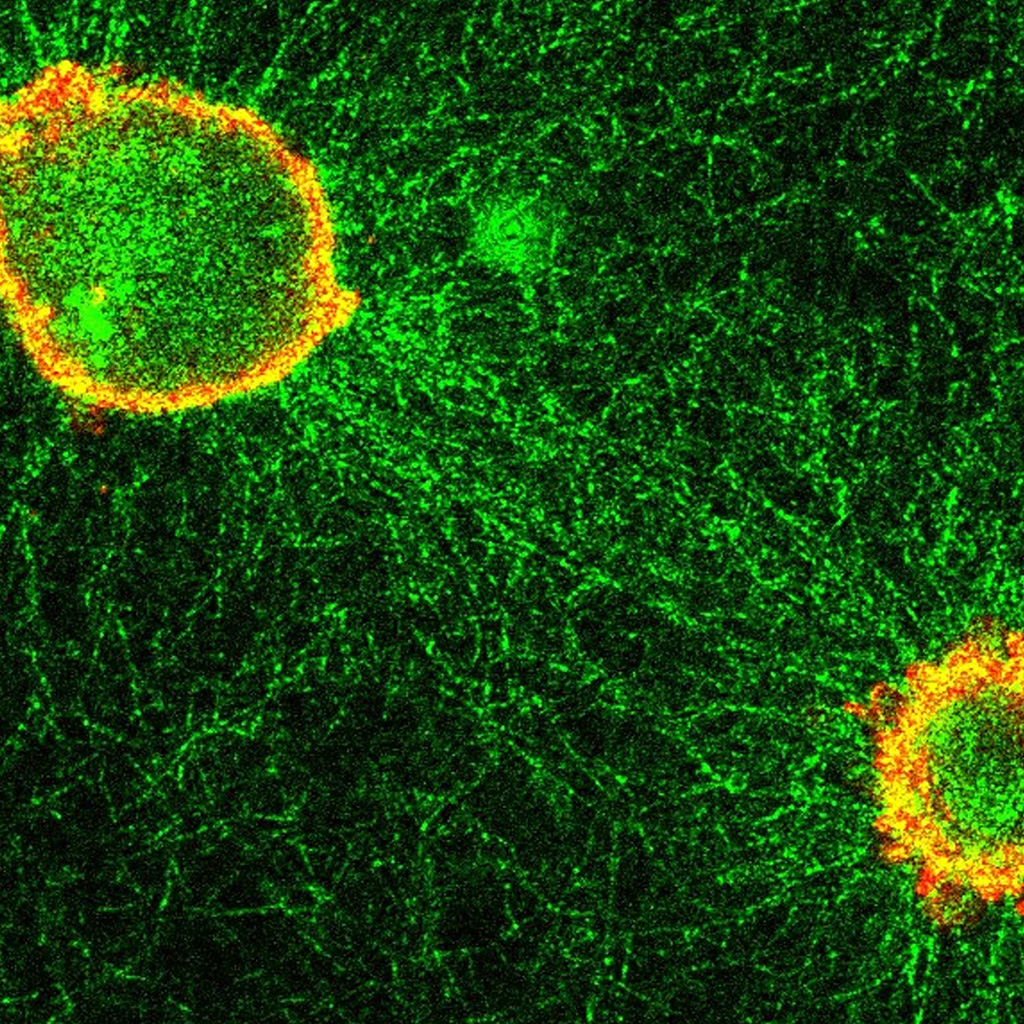
Participate in our virtual confocal microscopy laboratory to acquire skills in capturing precise confocal micrographs and creating 3D renderings. Apply this expertise to help diagnose and combat a perplexing plant disease affecting your uncles crops.
imaginX seamlessly integrates with leading LMS (Learning Management Systems), enabling educators to track student performance and allowing students to maintain their work records. It is compatible with popular platforms such as Canvas, Blackboard, Moodle, Google Classroom, Schoology, Sakai, Brightspace/D2L, and can also be used independently of an LMS.