- Comprehend the distinction between phenotype and genotype.
- Grasp the disparity between recessive and dominant alleles.
- Create a pedigree diagram.
imaginX is used by many amazing schools and universities

University / College
Explore the fundamentals of inheritance and create a pedigree chart to gain insight into the inheritance pattern of color blindness.
University / College
Enhance students' involvement in science by immersing them in interactive learning scenarios. Create simulations for experiments, provide hands-on training in laboratory techniques, and convey theoretical concepts through captivating visual experiences to improve their overall long-term learning outcomes.
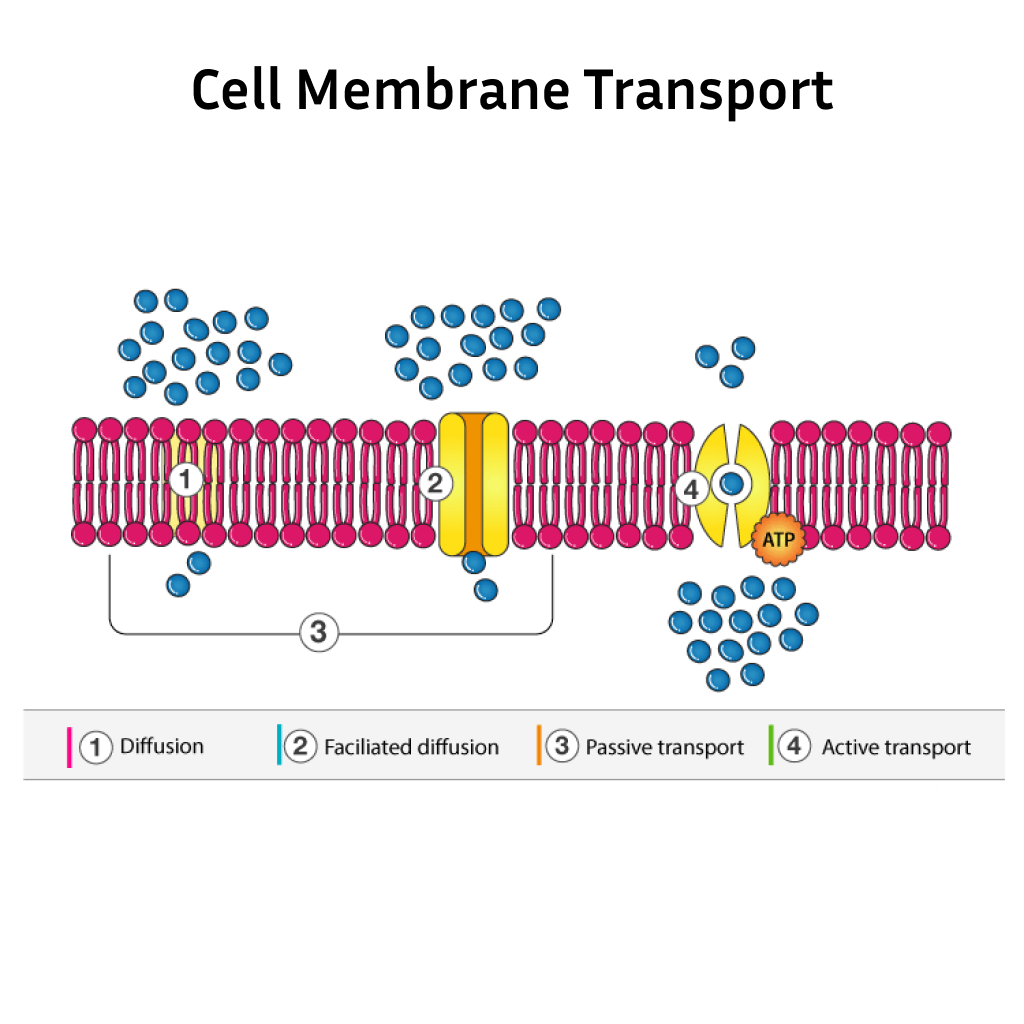
Explore the composition and operation of cellular membranes by propelling cargo molecules towards a simulated cell. Employ the knowledge gained in the laboratory to enhance the well-being of artificial cells, which the principal investigator intends to utilize for insulin production.
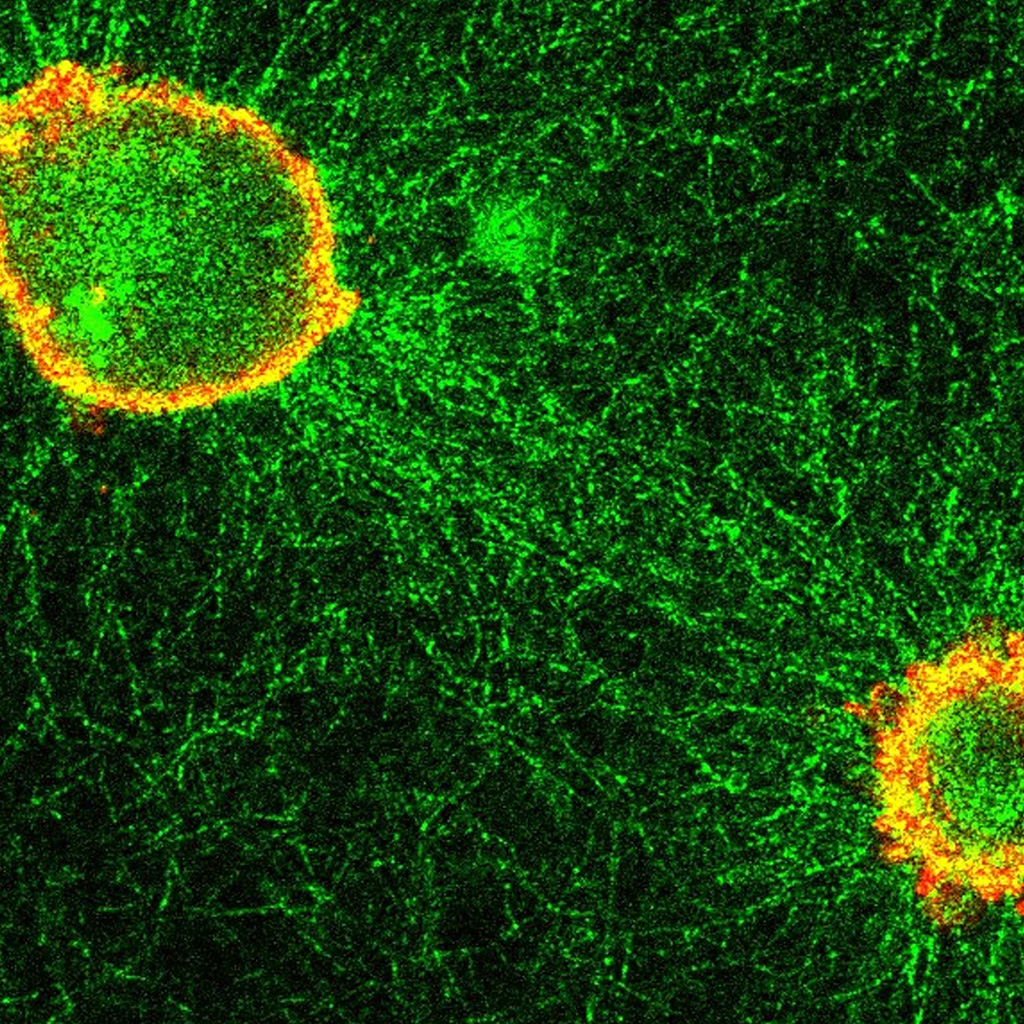
Participate in our virtual confocal microscopy laboratory to acquire skills in capturing precise confocal micrographs and creating 3D renderings. Apply this expertise to help diagnose and combat a perplexing plant disease affecting your uncles crops.
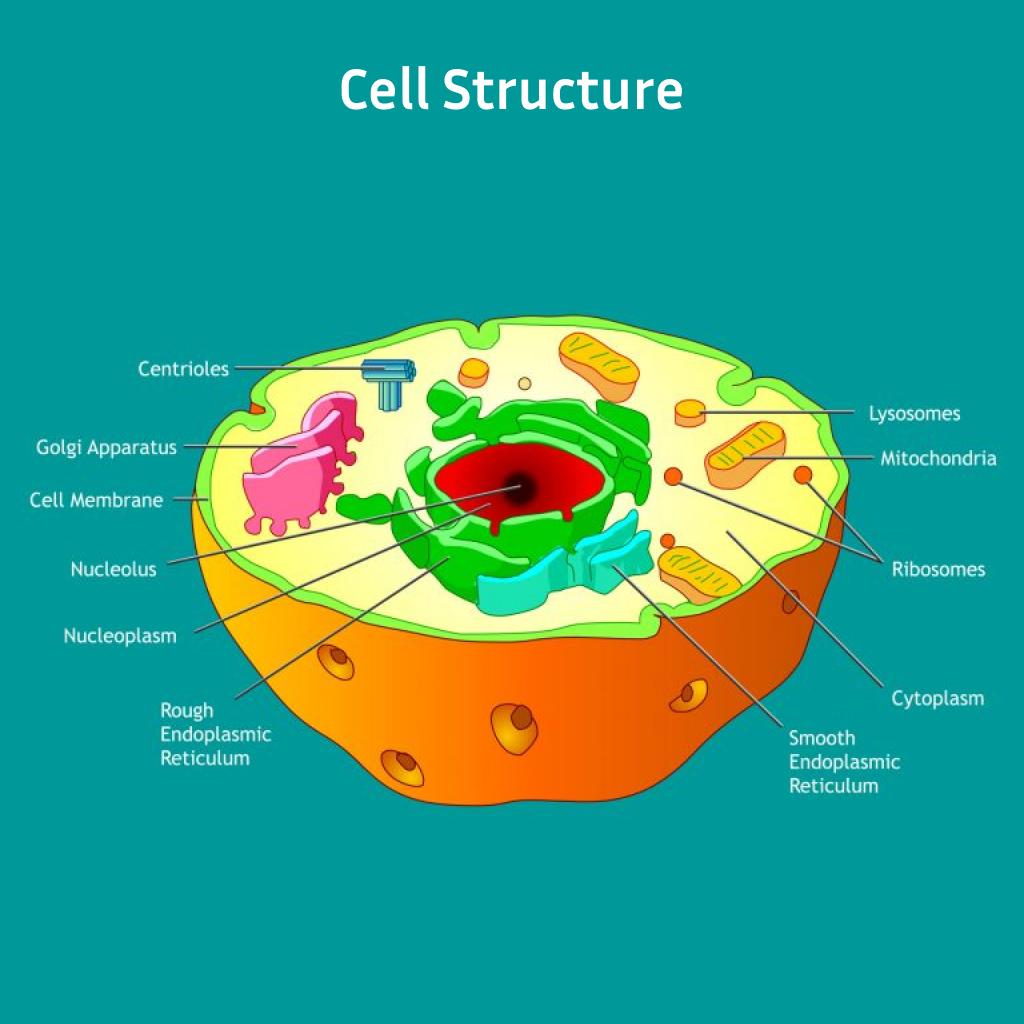
Examine various cell specimens under the microscope to distinguish the distinctions between eukaryotic and prokaryotic cells. Construct the anatomy of an animal cell and select the internal organelles for four distinct specialized cell types.

Embark on a journey with project manager Marie as she investigates the ecological consequences of coal power plants and fish farming. Delve into the challenges posed by our existing energy sources and collaborate with Marie to devise a more environmentally sustainable solution.

Assist an expectant mother who is deeply concerned about her babys well-being. Can you use a cytogenetics-based approach to diagnose the fetal condition?
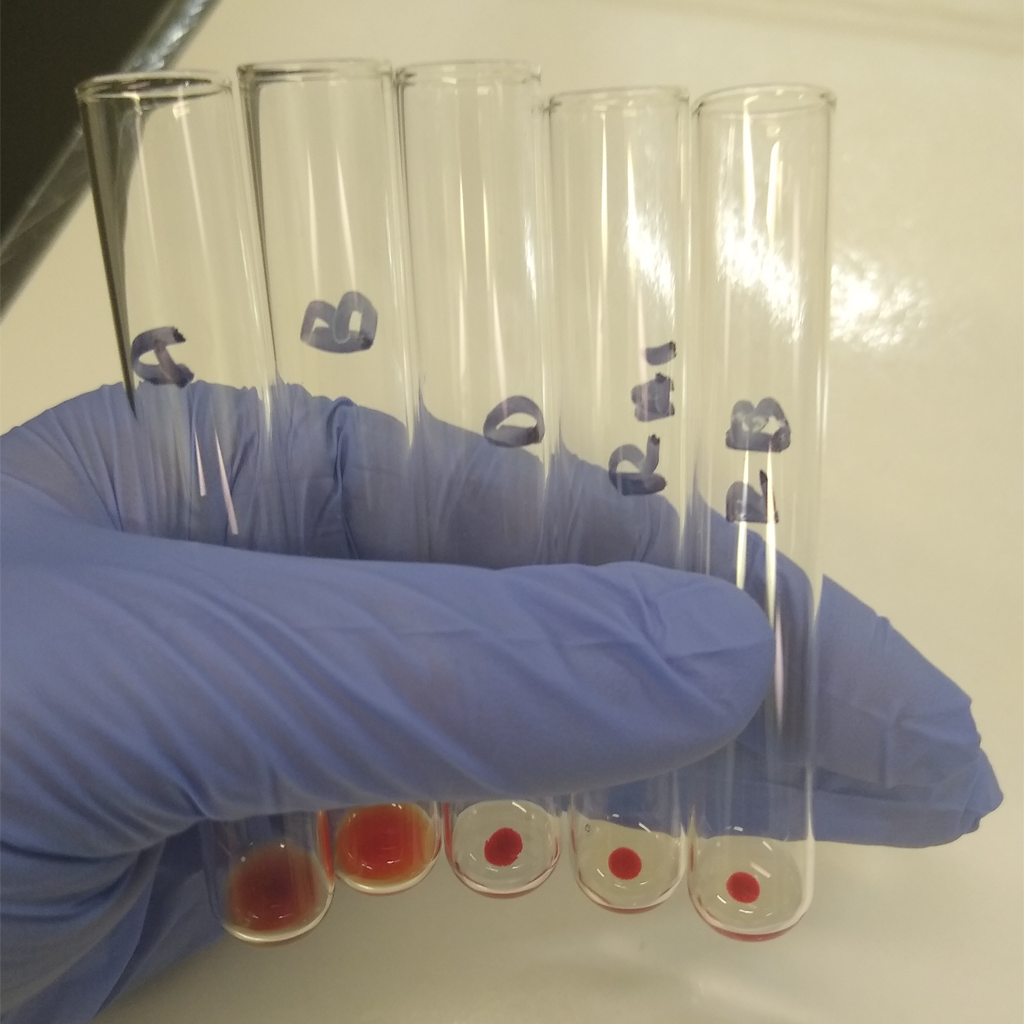
Explore the fundamentals of antibodies, antigens, the ABO blood group system, and the Rhesus factor, and their critical roles in blood transfusions. Next, assist a young couple in assessing the potential risk of Rhesus disease in their upcoming child.
imaginX seamlessly integrates with leading LMS (Learning Management Systems), enabling educators to track student performance and allowing students to maintain their work records. It is compatible with popular platforms such as Canvas, Blackboard, Moodle, Google Classroom, Schoology, Sakai, Brightspace/D2L, and can also be used independently of an LMS.