imaginX is used by many amazing schools and universities

University / College
Learning Objectives

At the end of this simulation, you will be able to:
  • Differentiate between vertical gene transfer and horizontal gene transfer.
  • Comprehend the importance of genetic diversity and its role in bacterial survival.
  • Explain the concept of horizontal gene transfer.
  • Recognize the genetic components and cellular mechanisms involved in DNA transfer.
  • Summarize the key processes in conjugation, transformation, and transduction.
  • Analyze the results and challenges of genetic transfer in bacteria.

How do virtual labs work?

Enhance students' involvement in science by immersing them in interactive learning scenarios. Create simulations for experiments, provide hands-on training in laboratory techniques, and convey theoretical concepts through captivating visual experiences to improve their overall long-term learning outcomes.

  • Access web-based simulations that are compatible with laptops, Chromebooks, tablets, and iPads, eliminating the need for software installation.
  • Incorporate a teacher dashboard for automated grading and monitoring of student progress.
  • Utilize embedded quizzes to assist students in mastering scientific content.
  • Comprehensive repository of educational materials, including learning resources, lab reports, videos, theory pages, graphics, and more.

Relevant Course Packages All Course Packages

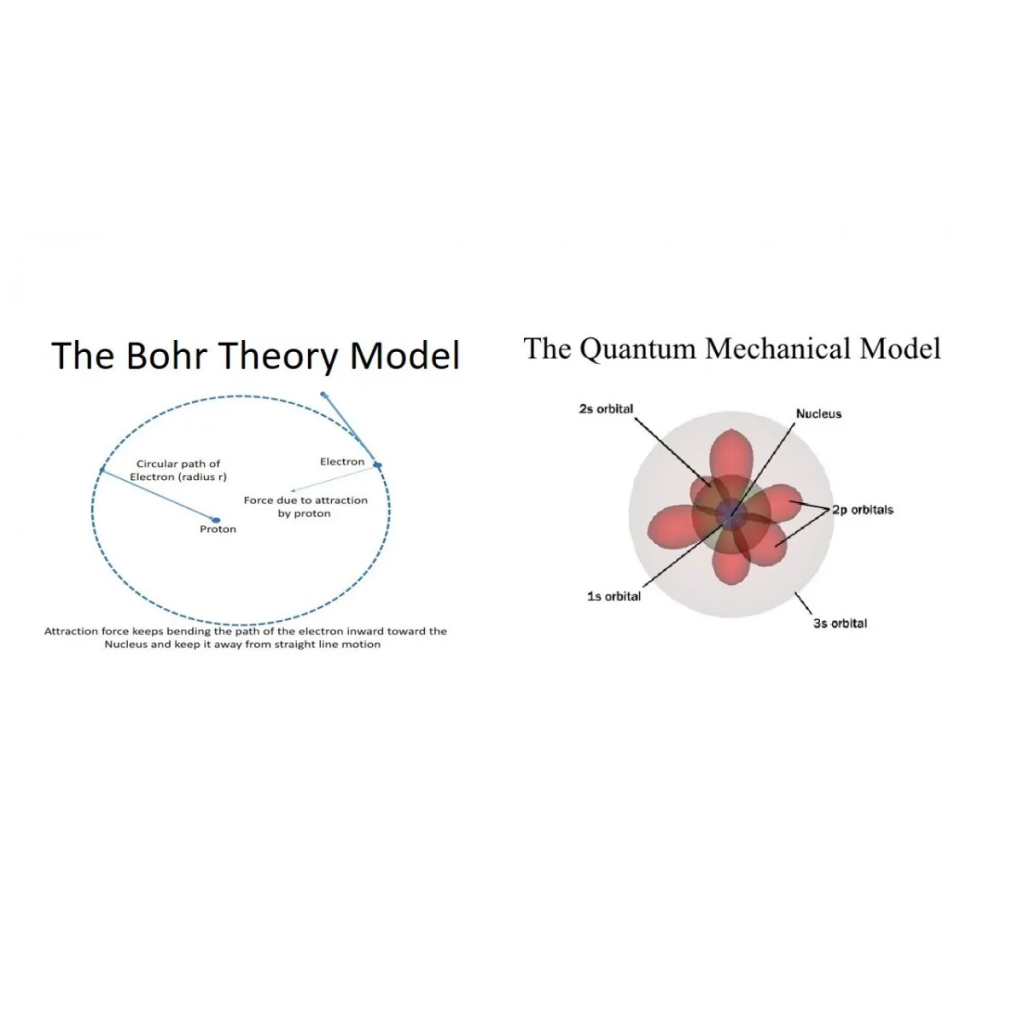
Virtual Lab on Nuclear Chemistry: Exploring Atomic Nucleus Processes

Have you ever been curious about the contents of an atomic nucleus? What causes certain elements to be radioactive? What exactly is radioactivity? The Nuclear Chemistry simulation will provide you with answers to these questions and more!

Virtual Lab: Investigate Decontamination and Selective Toxicity in Microbial Growth Control

A dental patient is facing a recurring infection that is escalating to a potentially life-threatening septic condition. Your mission is to probe the root cause through diffusion disc assays and implement measures to prevent future occurrences by exploring sterilization, decontamination, and selectively toxic infection control techniques.

Virtual Lab on Spatial Ecology: Understanding How Environmental Factors Impact Species Distribution

Assist the scientists stationed on the exoplanet Astakos IV in selecting the optimal site for their new research center, ensuring minimal disruption to the ecological diversity of the region.

Virtual Lab - Managing Food Needs and Environmental Considerations in the Nitrogen Cycle

Gain knowledge about the nitrogen cycle and assist a community restaurant owner in grasping the intricacies of sustainable crop cultivation. Simulate the movement of nitrogen through various cycle stages and strike a balance between food production and its environmental consequences.

Virtual Lab: Utilizing a Bomb Calorimeter for Calorimetry

Utilize bomb calorimetry as a method to address the issue of storing renewable energy. Gain insight into the principles of the first law of thermodynamics, as well as concepts such as enthalpy and internal energy.

Virtual Lab on Light Microscopy

Examine the microstructural characteristics of the small intestine and acquire knowledge about the strengths and weaknesses associated with light, fluorescence, and electron microscopy techniques.

LMS Integration

imaginX seamlessly integrates with leading LMS (Learning Management Systems), enabling educators to track student performance and allowing students to maintain their work records. It is compatible with popular platforms such as Canvas, Blackboard, Moodle, Google Classroom, Schoology, Sakai, Brightspace/D2L, and can also be used independently of an LMS.

Platform Features

Unlimited users faculty & students
Simulations
Simulations
Pedagogy Experts
Pedagogy Experts
Gamification
Gamification
Multiplayer
Multiplayer
Networking
Networking
Assignments
Assignments
Auto Grading
Auto Grading
AI
AI
LMS Integartion
LMS Integartion
Go Back Top