imaginX is used by many amazing schools and universities

University / College
Learning Objectives

At the end of this simulation, you will be able to:
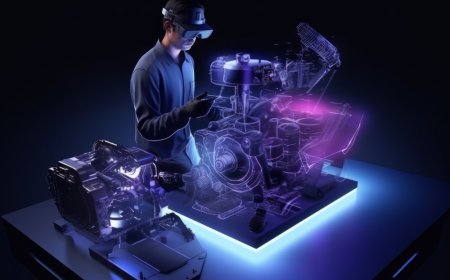
  • Learn to disassemble and reassemble key components of turboprop, turbojet, and piston engines.
  • Understand the inspection process for identifying wear, damage, and performance issues in engine components.
  • Develop diagnostic skills to troubleshoot engine problems and perform necessary repairs.
  • Gain proficiency in performing engine performance tests to ensure optimal operation.
  • Enhance adherence to safety standards and maintenance procedures during aircraft engine servicing.

How do virtual labs work?

Enhance students' involvement in science by immersing them in interactive learning scenarios. Create simulations for experiments, provide hands-on training in laboratory techniques, and convey theoretical concepts through captivating visual experiences to improve their overall long-term learning outcomes.

  • Access web-based simulations that are compatible with laptops, Chromebooks, tablets, and iPads, eliminating the need for software installation.
  • Incorporate a teacher dashboard for automated grading and monitoring of student progress.
  • Utilize embedded quizzes to assist students in mastering scientific content.
  • Comprehensive repository of educational materials, including learning resources, lab reports, videos, theory pages, graphics, and more.

Relevant Course Packages All Course Packages

Hybrid and Alternative Fuel Technologies

Hybrid and Alternative Fuel Technologies provides an in-depth exploration of hybrid vehicle systems and alternative fuel technologies, including hydrogen, compressed natural gas (CNG), and biofuels. Through XR-based simulations, students will study the operation and integration of hybrid powertrains, energy storage systems, and alternative fuel tanks. The course emphasizes designing fuel-efficient vehicles using alternative energy sources to reduce carbon emissions.

Non-Invasive Ventilation (NIV) Techniques

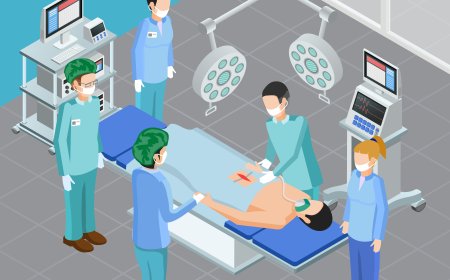
Explore non-invasive ventilation (NIV) techniques, including CPAP and BiPAP, for managing respiratory insufficiency in patients. This training offers interactive scenarios to develop skills in device setup, monitoring, and patient management.

Refrigerant Handling and Charging Simulation

The Refrigerant Handling and Charging Simulation provides training on safely handling refrigerants, charging HVAC systems, and recovering refrigerants in compliance with EPA regulations. The simulation features virtual scenarios where students select the appropriate refrigerant types, connect service gauges, and monitor pressures during the charging process. Interactive exercises on refrigerant recovery allow students to practice safe recovery techniques before repairs or replacements. Real-time feedback is provided on refrigerant levels, system pressures, and adherence to EPA regulations for proper refrigerant handling.

Patient Assessment and Vital Signs Monitoring

The "Patient Assessment and Vital Signs Monitoring" module equips students with the essential skills to perform comprehensive patient assessments and monitor vital signs effectively. Through immersive virtual scenarios and interactive tutorials, learners will interact with virtual patients to measure and analyze critical health parameters, assess symptoms, and make informed clinical decisions. Real-time feedback ensures accuracy and reinforces data interpretation for improved clinical judgment.

Anatomy and Physiology Review

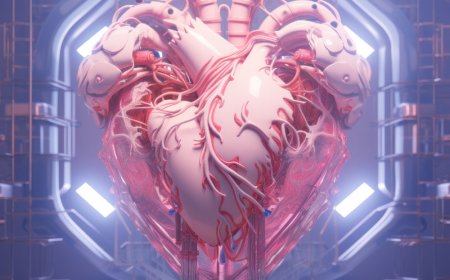
Reinforce students' understanding of human anatomy, with a focus on structures relevant to surgery, through immersive XR technology. Virtual 3D models of the human body allow students to explore, manipulate, and interact with anatomical structures. Interactive quizzes and exercises enhance learning by testing knowledge of critical organs, systems, and their relationships. Simulations will show how different surgical procedures affect the body’s anatomical structures, bridging theory with practical application.

Spacecraft Design and Orbital Mechanics

Dive into the design and analysis of spacecraft for space missions, focusing on key components like propulsion, thermal control, and communication systems. Use virtual tools to create satellites, space probes, and crewed spacecraft while mastering the principles of orbital mechanics. Learn to calculate orbital trajectories, understand gravitational effects, and simulate spacecraft maneuvering in space. Receive feedback on mission planning, fuel efficiency, and spacecraft stability in various orbits to optimize space exploration projects.

LMS Integration

imaginX seamlessly integrates with leading LMS (Learning Management Systems), enabling educators to track student performance and allowing students to maintain their work records. It is compatible with popular platforms such as Canvas, Blackboard, Moodle, Google Classroom, Schoology, Sakai, Brightspace/D2L, and can also be used independently of an LMS.

Platform Features

Unlimited users faculty & students
Simulations
Simulations
Pedagogy Experts
Pedagogy Experts
Gamification
Gamification
Multiplayer
Multiplayer
Networking
Networking
Assignments
Assignments
Auto Grading
Auto Grading
AI
AI
LMS Integartion
LMS Integartion
Go Back Top