imaginX is used by many amazing schools and universities

University / College
Learning Objectives

At the end of this simulation, you will be able to:
  • Understand and practice chest physiotherapy, postural drainage, and the use of airway clearance devices like flutter valves and suction machines.
  • Learn to identify signs of airway obstruction and apply techniques to maintain respiratory hygiene.
  • Develop proficiency in patient comfort and care during airway clearance procedures.
  • Receive feedback on the effectiveness of techniques, accuracy of execution, and overall secretion management.
  • Enhance the ability to tailor airway clearance strategies to individual patient needs and respiratory conditions.

How do virtual labs work?

Enhance students' involvement in science by immersing them in interactive learning scenarios. Create simulations for experiments, provide hands-on training in laboratory techniques, and convey theoretical concepts through captivating visual experiences to improve their overall long-term learning outcomes.

  • Access web-based simulations that are compatible with laptops, Chromebooks, tablets, and iPads, eliminating the need for software installation.
  • Incorporate a teacher dashboard for automated grading and monitoring of student progress.
  • Utilize embedded quizzes to assist students in mastering scientific content.
  • Comprehensive repository of educational materials, including learning resources, lab reports, videos, theory pages, graphics, and more.

Relevant Course Packages All Course Packages

Refrigerant Handling and Charging Simulation

The Refrigerant Handling and Charging Simulation provides training on safely handling refrigerants, charging HVAC systems, and recovering refrigerants in compliance with EPA regulations. The simulation features virtual scenarios where students select the appropriate refrigerant types, connect service gauges, and monitor pressures during the charging process. Interactive exercises on refrigerant recovery allow students to practice safe recovery techniques before repairs or replacements. Real-time feedback is provided on refrigerant levels, system pressures, and adherence to EPA regulations for proper refrigerant handling.

Post-Surgical Care and Wound Management

Teach students how to assist in post-surgical care, including wound management and supporting patient recovery using XR technology. Virtual scenarios will guide students through the proper techniques for caring for post-operative wounds, such as cleaning, dressing, and monitoring for infection. Additionally, students will learn how to safely transfer patients from the OR to the recovery room, with real-time feedback on patient care protocols, monitoring vitals, and recognizing potential complications.

Biomedical Signal Processing and Analysis

Equip students with the skills to acquire, process, and analyze biomedical signals such as ECG, EEG, EMG, and blood pressure. Using interactive simulations, learners will explore signal collection from virtual patients, apply signal processing techniques, and interpret data for diagnosing medical conditions.

Propulsion Systems and Engine Design

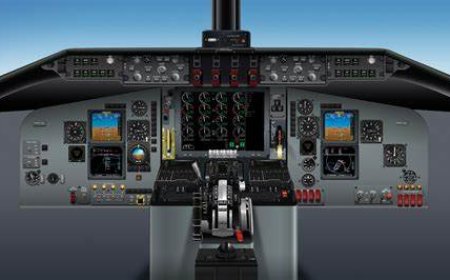
Immerse yourself in the world of propulsion systems with an in-depth exploration of jet engines, rockets, and electric propulsion systems. Through virtual labs, gain hands-on experience in analyzing key engine components, including compressors, turbines, combustion chambers, and nozzles. Engage with interactive simulations that simulate fuel efficiency, thrust generation, and thermal management in propulsion systems, while optimizing engine performance for various operational conditions.

Wind and Solar Energy Systems Simulation

This XR simulation provides training on designing and analyzing renewable energy systems, focusing on wind turbines and solar panels. Virtual simulations allow students to explore the dynamics of wind turbines, including blade aerodynamics and energy conversion efficiency. Students can design solar panel arrays, optimize their angle for maximum energy generation, and evaluate their performance. The simulation offers real-time feedback on renewable energy efficiency, cost savings, and environmental impact, enabling students to make informed decisions about optimizing renewable energy systems.

Hydronic Heating Systems

The Hydronic Heating Systems Simulation trains students on hydronic heating systems, which use water to distribute heat throughout a building. Students can practice virtually installing and troubleshooting systems that include boilers, radiators, and piping systems. Interactive exercises focus on adjusting water flow rates, pressure settings, and temperature control for radiant heating. Real-time feedback is provided on system balance, heat distribution, and energy efficiency.

LMS Integration

imaginX seamlessly integrates with leading LMS (Learning Management Systems), enabling educators to track student performance and allowing students to maintain their work records. It is compatible with popular platforms such as Canvas, Blackboard, Moodle, Google Classroom, Schoology, Sakai, Brightspace/D2L, and can also be used independently of an LMS.

Platform Features

Unlimited users faculty & students
Simulations
Simulations
Pedagogy Experts
Pedagogy Experts
Gamification
Gamification
Multiplayer
Multiplayer
Networking
Networking
Assignments
Assignments
Auto Grading
Auto Grading
AI
AI
LMS Integartion
LMS Integartion
Go Back Top