imaginX is used by many amazing schools and universities

University / College
Learning Objectives

At the end of this simulation, you will be able to:
  • Recognize and identify general hazards that can arise in various tasks, including electrical, mechanical, chemical, and environmental risks.
  • Learn proper safety procedures, such as the use of personal protective equipment (PPE), to mitigate identified hazards.
  • Analyze and assess hazards through virtual scenarios, enabling students to make informed decisions on risk management.
  • Understand how to respond to emergencies, from fire hazards to chemical spills, through immersive simulations.
  • Gain knowledge in the importance of safety culture and how to foster safe work environments through effective hazard communication and reporting.

How do virtual labs work?

Enhance students' involvement in science by immersing them in interactive learning scenarios. Create simulations for experiments, provide hands-on training in laboratory techniques, and convey theoretical concepts through captivating visual experiences to improve their overall long-term learning outcomes.

  • Access web-based simulations that are compatible with laptops, Chromebooks, tablets, and iPads, eliminating the need for software installation.
  • Incorporate a teacher dashboard for automated grading and monitoring of student progress.
  • Utilize embedded quizzes to assist students in mastering scientific content.
  • Comprehensive repository of educational materials, including learning resources, lab reports, videos, theory pages, graphics, and more.

Relevant Course Packages All Course Packages

Landing Gear Systems and Hydraulic Maintenance

Explore XR-based simulations for servicing and maintaining aircraft landing gear systems, with a focus on hydraulic and mechanical components. Students will inspect, repair, and replace landing gear assemblies, shock absorbers, tires, and brakes, while learning about hydraulic system operation and fluid checks. Real-time feedback ensures accurate troubleshooting and landing gear reliability.

Precision Measurement and Inspection

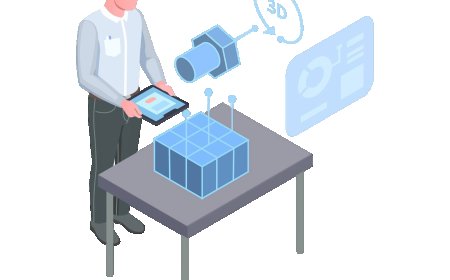
Explore the art of precision measurement and inspection using advanced tools such as micrometers, calipers, dial indicators, and gauges. This simulation allows users to virtually measure machined parts, ensuring that they meet strict dimensional tolerances. Learn how to read measurement instruments accurately, interpret technical drawings, and identify any deviations that could affect the quality of the part. With real-time feedback on measurement precision and inspection accuracy, users will gain the skills needed for quality control in manufacturing and machining processes.

Microbiology and Fermentation Processes

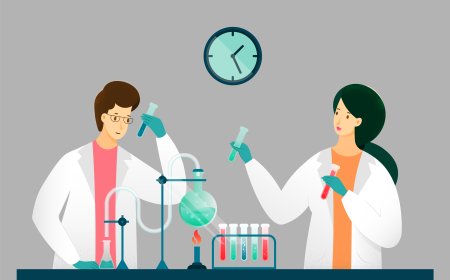
Equip students with essential microbiological techniques and the core principles of fermentation in bioprocessing, enhanced by immersive XR experiences. Focus on isolating, culturing, and identifying microbes, while exploring fermentation applications in industries like pharmaceuticals, biofuels, and enzymes through interactive virtual and augmented reality simulations.

Septic System Design and Installation

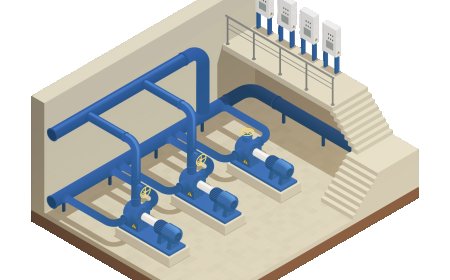
Learn the essential skills for designing, installing, and maintaining septic systems, commonly used in rural settings. This simulation involves designing septic tanks, drain fields, and other key wastewater management components. It covers sizing septic systems based on household needs and soil percolation tests, with real-time feedback on layout, drainage performance, and troubleshooting septic issues such as backups or system failures.

Vehicle Diagnostics and Maintenance

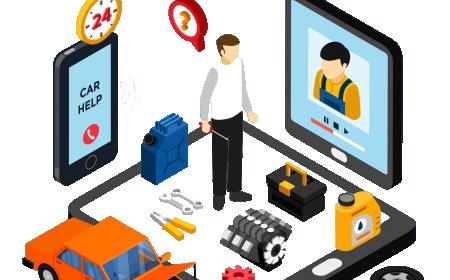
Vehicle Diagnostics and Maintenance focuses on vehicle diagnostics, troubleshooting, and routine maintenance procedures. Students will use virtual diagnostic tools to identify issues in various vehicle systems, including the engine, transmission, electrical systems, and brakes. They will also learn how to use OBD-II scanners to read error codes, perform repairs, and apply preventative maintenance strategies.

Mechanics of Solids and Fluids

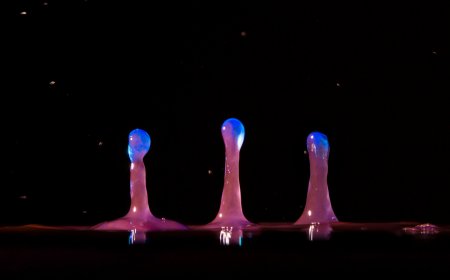
Equip students with the foundational knowledge of solid mechanics and fluid dynamics, key principles in engineering applications. This course focuses on understanding the behavior of solid materials under stress and strain, as well as the movement of fluids within various engineering systems. Students will explore how these principles interact to optimize structural designs and fluid-based systems.

LMS Integration

imaginX seamlessly integrates with leading LMS (Learning Management Systems), enabling educators to track student performance and allowing students to maintain their work records. It is compatible with popular platforms such as Canvas, Blackboard, Moodle, Google Classroom, Schoology, Sakai, Brightspace/D2L, and can also be used independently of an LMS.

Platform Features

Unlimited users faculty & students
Simulations
Simulations
Pedagogy Experts
Pedagogy Experts
Gamification
Gamification
Multiplayer
Multiplayer
Networking
Networking
Assignments
Assignments
Auto Grading
Auto Grading
AI
AI
LMS Integartion
LMS Integartion
Go Back Top