imaginX is used by many amazing schools and universities

University / College
Learning Objectives

At the end of this simulation, you will be able to:
  • Explore effective strategies for debris removal, ensuring safety and minimizing environmental impact in work zones.
  • Understand how to properly assess debris types and select the right equipment for efficient removal.
  • Learn the importance of waste segregation and recycling in debris removal processes.
  • Enhance safety protocols for handling debris, including using proper personal protective equipment (PPE) and tools.
  • Develop an understanding of OSHA and environmental regulations regarding debris management, ensuring compliance in different work scenarios.

How do virtual labs work?

Enhance students' involvement in science by immersing them in interactive learning scenarios. Create simulations for experiments, provide hands-on training in laboratory techniques, and convey theoretical concepts through captivating visual experiences to improve their overall long-term learning outcomes.

  • Access web-based simulations that are compatible with laptops, Chromebooks, tablets, and iPads, eliminating the need for software installation.
  • Incorporate a teacher dashboard for automated grading and monitoring of student progress.
  • Utilize embedded quizzes to assist students in mastering scientific content.
  • Comprehensive repository of educational materials, including learning resources, lab reports, videos, theory pages, graphics, and more.

Relevant Course Packages All Course Packages

CAM (Computer-Aided Manufacturing) Integration

Explore XR-driven CAM (Computer-Aided Manufacturing) software simulations to teach students how to generate toolpaths for CNC machining. Students will virtually import 3D models, set up machining operations, and create G-code for CNC machines. Interactive lessons guide them through toolpath creation, cutting strategies, and simulating machining operations. Feedback on toolpath efficiency, machining time, and material removal helps refine their CAM and CNC programming skills.

Material Science and Mechanical Properties Analysis

Introduce students to material properties, testing methods, and their applications in mechanical engineering through XR simulations. Students will engage in virtual material testing labs where they perform various tests such as tensile tests, hardness tests, impact tests, and fatigue analysis. The simulation includes interactive lessons on material properties like strength, ductility, toughness, and elasticity. Real-time feedback will help students understand material selection, suitability for specific applications, and how to optimize design for enhanced performance.

Signal Processing and Filtering Techniques

The Signal Processing and Filtering Techniques module provides virtual tools and interactive exercises to teach students how to process and analyze electrical signals using both digital and analog filtering methods. Through hands-on simulations, students explore signal conditioning, transformation, and noise reduction techniques.

Emergency Airway Management and Intubation

Empower students with the skills to manage emergency airways through XR simulations. Students will practice endotracheal intubation, securing airways, and providing BVM ventilation in critical situations, honing their ability to respond effectively to respiratory emergencies.

Drainage, Waste, and Vent (DWV) System Installation

Familiarize with Drainage, Waste, and Vent (DWV) systems essential for removing wastewater and preventing sewer gases from entering buildings. In this simulation, the virtual installation of drainage pipes, waste stacks, and vent pipes in various building types is explored. Proper pipe sloping for efficient drainage and venting is practiced, with real-time feedback on system functionality, code compliance, and troubleshooting clogs or vent issues. XR technology enhances the experience, offering immersive and interactive learning.

Energy Systems and Power Generation

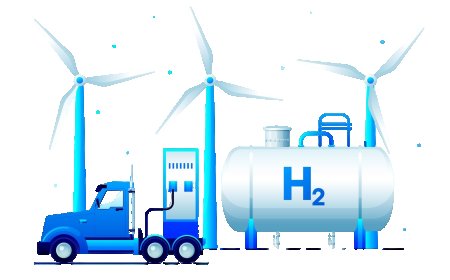
This XR simulation teaches students the principles of energy conversion and power generation systems, including the use of renewable energy sources. Through virtual simulations, students can explore various power generation systems, such as steam turbines, internal combustion engines, wind turbines, and solar panels. Interactive scenarios guide students in analyzing energy efficiency, heat loss, and optimizing power output, with feedback on energy conversion rates, sustainability, and overall system performance.

LMS Integration

imaginX seamlessly integrates with leading LMS (Learning Management Systems), enabling educators to track student performance and allowing students to maintain their work records. It is compatible with popular platforms such as Canvas, Blackboard, Moodle, Google Classroom, Schoology, Sakai, Brightspace/D2L, and can also be used independently of an LMS.

Platform Features

Unlimited users faculty & students
Simulations
Simulations
Pedagogy Experts
Pedagogy Experts
Gamification
Gamification
Multiplayer
Multiplayer
Networking
Networking
Assignments
Assignments
Auto Grading
Auto Grading
AI
AI
LMS Integartion
LMS Integartion
Go Back Top