imaginX is used by many amazing schools and universities

University / College
Learning Objectives

At the end of this simulation, you will be able to:
  • Learn the core principles of genomics, including DNA sequencing, gene expression, and genetic variation.
  • Use virtual labs to analyze genomic data, identify mutations, and interpret genetic information to inform treatment decisions.
  • Participate in interactive tutorials to design targeted treatment plans based on individual genetic profiles and personalized data.
  • Explore virtual case studies where students select appropriate therapies considering genetic predispositions and disease susceptibility.
  • Investigate pharmacogenomics concepts to understand how genetic differences affect drug metabolism, efficacy, and safety.
  • Simulate the customization of treatments to optimize therapeutic outcomes, minimize adverse reactions, and improve patient care.

How do virtual labs work?

Enhance students' involvement in science by immersing them in interactive learning scenarios. Create simulations for experiments, provide hands-on training in laboratory techniques, and convey theoretical concepts through captivating visual experiences to improve their overall long-term learning outcomes.

  • Access web-based simulations that are compatible with laptops, Chromebooks, tablets, and iPads, eliminating the need for software installation.
  • Incorporate a teacher dashboard for automated grading and monitoring of student progress.
  • Utilize embedded quizzes to assist students in mastering scientific content.
  • Comprehensive repository of educational materials, including learning resources, lab reports, videos, theory pages, graphics, and more.

Relevant Course Packages All Course Packages

Refrigerant Handling and Charging Simulation

The Refrigerant Handling and Charging Simulation provides training on safely handling refrigerants, charging HVAC systems, and recovering refrigerants in compliance with EPA regulations. The simulation features virtual scenarios where students select the appropriate refrigerant types, connect service gauges, and monitor pressures during the charging process. Interactive exercises on refrigerant recovery allow students to practice safe recovery techniques before repairs or replacements. Real-time feedback is provided on refrigerant levels, system pressures, and adherence to EPA regulations for proper refrigerant handling.

Human-Machine Interface (HMI) Design

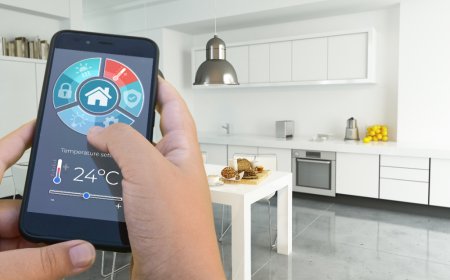
Equip students with the skills to design and program Human-Machine Interface (HMI) systems for industrial automation. Through virtual simulations, students will create HMI dashboards to monitor and control machinery, systems, and processes. They will interact with various machine parameters, such as system start-up, shutdown, and emergency stop functions, while receiving feedback on user interface design, system responsiveness, and ease of use.

Medical Imaging Techniques

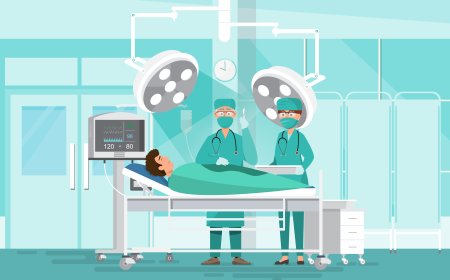
Enhance students' understanding of medical imaging techniques such as MRI, CT, ultrasound, and X-ray through immersive XR simulations. This interactive platform allows students to control virtual imaging equipment, visualize real-time results, and interpret medical images to identify anatomical structures and diagnose conditions effectively.

Geriatric and Palliative Care Simulation

The Geriatric and Palliative Care Simulation module equips nursing students with essential skills to care for elderly patients and provide compassionate support in palliative care settings. Through virtual interactions, students address mobility challenges, pain management, medication adherence, and cognitive decline while learning to support patients and families during end-of-lifecare with empathy and professionalism.

Circuit Design and Troubleshooting

Explore the design and troubleshooting of electrical circuits by simulating various scenarios, including short circuits, overloads, and wiring faults. Students will create, test, and simulate different electrical circuits, such as parallel, series, and combination circuits. Using virtual multimeters and other testing tools, students will diagnose and resolve common circuit faults while receiving real-time feedback on their designs and troubleshooting methods.

Airflow and Duct Design Simulation

The Airflow and Duct Design Simulation trains students in calculating airflow requirements and designing ducts to ensure HVAC systems operate efficiently. The simulation features virtual tools for calculating airflow based on building dimensions and heating/cooling loads. Students engage in interactive duct design exercises, where they size ducts, select materials, and place vents for optimal airflow. Real-time feedback is provided on pressure loss, air distribution efficiency, and adherence to industry standards.

LMS Integration

imaginX seamlessly integrates with leading LMS (Learning Management Systems), enabling educators to track student performance and allowing students to maintain their work records. It is compatible with popular platforms such as Canvas, Blackboard, Moodle, Google Classroom, Schoology, Sakai, Brightspace/D2L, and can also be used independently of an LMS.

Platform Features

Unlimited users faculty & students
Simulations
Simulations
Pedagogy Experts
Pedagogy Experts
Gamification
Gamification
Multiplayer
Multiplayer
Networking
Networking
Assignments
Assignments
Auto Grading
Auto Grading
AI
AI
LMS Integartion
LMS Integartion
Go Back Top