imaginX is used by many amazing schools and universities

University / College

Learning Objectives

At the end of this simulation, you will be able to:
  • Gain proficiency in programming and adjusting ICD settings, understanding parameters such as heart rate thresholds, detection zones, and therapy delivery configurations.
  • Enhance understanding of cardiac anatomy and its relevance to ICD placement, visualizing the heart and surrounding structures in an interactive 3D XR environment.
  • Understand the functionality of remote monitoring for ICDs, emphasizing the importance of regular follow-ups and data transmission for optimal patient care.
  • Develop effective communication skills for educating patients about ICDs, explaining device functionality, potential risks, benefits, and post-implantation care.
  • Explore the components of different ICD devices in detail using interactive 3D models, gaining familiarity with device variations.
  • Understand and apply best practices in ICD management, ensuring alignment with current clinical guidelines and protocols.

How do virtual labs work?

Enhance students' involvement in science by immersing them in interactive learning scenarios. Create simulations for experiments, provide hands-on training in laboratory techniques, and convey theoretical concepts through captivating visual experiences to improve their overall long-term learning outcomes.

  • Access web-based simulations that are compatible with laptops, Chromebooks, tablets, and iPads, eliminating the need for software installation.
  • Incorporate a teacher dashboard for automated grading and monitoring of student progress.
  • Utilize embedded quizzes to assist students in mastering scientific content.
  • Comprehensive repository of educational materials, including learning resources, lab reports, videos, theory pages, graphics, and more.

Relevant Course Packages All Course Packages

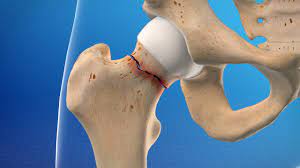
Lower Leg Fracture: Compartment Syndrome

The Lower Leg Fracture: Compartment Syndrome XR simulation provides healthcare professionals with an interactive learning experience on how to recognize and manage compartment syndrome in patients with lower leg fractures. Through realistic scenarios, users can practice assessing compartment pressures, recognizing signs of compartment syndrome, and initiating appropriate treatment, such as fasciotomy. The simulation aims to improve clinical decision-making and patient outcomes in this specific clinical setting.

Dehydration

The Dehydration XR simulation provides healthcare professionals with an interactive learning experience on how to manage dehydration, a condition that occurs when the body loses more fluid than it takes in. Through realistic scenarios, users can practice identifying the signs and symptoms of dehydration, such as dry mouth, decreased urine output, and lethargy, and initiating appropriate interventions, such as fluid replacement therapy. The simulation aims to improve clinical decision-making and patient outcomes in the management of dehydration.

Major Depressive Disorder, Part 2

The Major Depressive Disorder, Part 2 XR simulation continues to explore the experience of living with major depressive disorder (MDD). Through immersive scenarios, users can further understand the complexities of MDD, including its impact on daily life, relationships, and overall well-being. The simulation aims to deepen empathy, promote awareness, and encourage support for individuals affected by MDD.

Umbilical Cord Prolapse

The Umbilical Cord Prolapse XR simulation provides healthcare professionals with an interactive learning experience on how to manage umbilical cord prolapse during labor and delivery. Through realistic scenarios, users can practice identifying the signs of umbilical cord prolapse, taking appropriate actions to relieve cord compression, and ensuring the safety of both the mother and the baby. The simulation aims to improve clinical decision-making and patient outcomes in this obstetric emergency.

Major Depressive Disorder, Part 2

The Major Depressive Disorder, Part 2 XR simulation continues to explore the experience of living with major depressive disorder (MDD). Through immersive scenarios, users can further understand the complexities of MDD, including its impact on daily life, relationships, and overall well-being. The simulation aims to deepen empathy, promote awareness, and encourage support for individuals affected by MDD.

Urinary Elimination: Intermittent Catheterization

The Intermittent Catheterization XR simulation is an advanced educational tool that uses Extended Reality technology to provide healthcare professionals and students with a realistic and immersive learning experience. This simulation offers a hands-on approach for practicing urinary elimination procedures, featuring realistic anatomy visualization, step-by-step guidance, interactive feedback, and performance metrics. It enhances the training process by allowing users to interact with virtual elements while performing catheterization on a simulated patient, fostering skill development in a controlled and engaging environment.

LMS Integration

imaginX seamlessly integrates with leading LMS (Learning Management Systems), enabling educators to track student performance and allowing students to maintain their work records. It is compatible with popular platforms such as Canvas, Blackboard, Moodle, Google Classroom, Schoology, Sakai, Brightspace/D2L, and can also be used independently of an LMS.

Platform Features

Unlimited users faculty & students
Simulations
Simulations
Pedagogy Experts
Pedagogy Experts
Gamification
Gamification
Multiplayer
Multiplayer
Networking
Networking
Assignments
Assignments
Auto Grading
Auto Grading
AI
AI
LMS Integartion
LMS Integartion
Go Back Top