imaginX is used by many amazing schools and universities

University / College
Learning Objectives

At the end of this simulation, you will be able to:
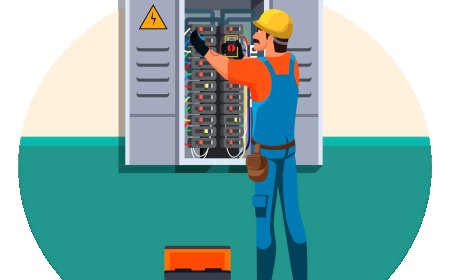
  • Explore the key components of portable generators, including engines, fuel systems, and electrical outputs.
  • Enhance your ability to safely operate a portable generator by setting up, starting, and monitoring performance using XR simulations.
  • Identify and troubleshoot common issues like fuel shortages, electrical surges, and overheating.
  • Learn proper safety practices for handling fuel, electrical connections, and generator placement.
  • Understand the maintenance needs of portable generators, including oil changes, air filter replacement, and system testing.

How do virtual labs work?

Enhance students' involvement in science by immersing them in interactive learning scenarios. Create simulations for experiments, provide hands-on training in laboratory techniques, and convey theoretical concepts through captivating visual experiences to improve their overall long-term learning outcomes.

  • Access web-based simulations that are compatible with laptops, Chromebooks, tablets, and iPads, eliminating the need for software installation.
  • Incorporate a teacher dashboard for automated grading and monitoring of student progress.
  • Utilize embedded quizzes to assist students in mastering scientific content.
  • Comprehensive repository of educational materials, including learning resources, lab reports, videos, theory pages, graphics, and more.

Relevant Course Packages All Course Packages

Steel Structure Design and Fabrication

Explore the intricacies of designing and fabricating steel structures for industrial buildings, towers, and infrastructure projects. Use virtual tools to create steel frames, beams, columns, and joints, with scenarios analyzing load-bearing capacity, material stresses, and connection stability. Receive insights on enhancing durability, optimizing fabrication techniques, and performing cost analysis for efficient project execution.

Sustainability and Energy Efficiency in Mechatronics

Explore the principles of sustainable mechatronics design, with a focus on energy efficiency and resource management. Through virtual simulations, students will analyze the energy consumption of various mechatronic systems and processes, engage in interactive scenarios to optimize systems for energy efficiency, reduce waste, and improve sustainability. Real-time feedback on energy usage, cost savings, and environmental impact helps students refine their design choices for maximum sustainability.

HVAC System Installation Simulation

The HVAC System Installation Simulation teaches students how to install various HVAC systems for residential, commercial, and industrial applications, including furnaces, air conditioning units, heat pumps, and ductwork. The simulation allows students to virtually install HVAC units, duct systems, and venting, while engaging in interactive exercises to connect electrical wiring, refrigerant lines, and water drainage systems. Students receive real-time feedback on installation techniques, component positioning, and overall system integrity.

Underwater Welding Basics Simulation

The Underwater Welding Basics Simulation introduces students to the unique challenges faced by underwater welders in industries like marine, oil, and gas. This simulation allows students to virtually practice underwater welding, including the use of specialized equipment and managing visibility and pressure conditions. It also covers safety protocols, dive techniques, and the key differences between wet and dry welding. Students receive real-time feedback on managing electrical current, welding speed, and ensuring the quality of welds in an underwater environment.

Airflow and Duct Design Simulation

The Airflow and Duct Design Simulation trains students in calculating airflow requirements and designing ducts to ensure HVAC systems operate efficiently. The simulation features virtual tools for calculating airflow based on building dimensions and heating/cooling loads. Students engage in interactive duct design exercises, where they size ducts, select materials, and place vents for optimal airflow. Real-time feedback is provided on pressure loss, air distribution efficiency, and adherence to industry standards.

Fluid Dynamics and Computational Fluid Dynamics (CFD)

Enhance your understanding of fluid dynamics principles and their application in engineering systems through XR-powered simulations.

LMS Integration

imaginX seamlessly integrates with leading LMS (Learning Management Systems), enabling educators to track student performance and allowing students to maintain their work records. It is compatible with popular platforms such as Canvas, Blackboard, Moodle, Google Classroom, Schoology, Sakai, Brightspace/D2L, and can also be used independently of an LMS.

Platform Features

Unlimited users faculty & students
Simulations
Simulations
Pedagogy Experts
Pedagogy Experts
Gamification
Gamification
Multiplayer
Multiplayer
Networking
Networking
Assignments
Assignments
Auto Grading
Auto Grading
AI
AI
LMS Integartion
LMS Integartion
Go Back Top