imaginX is used by many amazing schools and universities

University / College
Learning Objectives

At the end of this simulation, you will be able to:
  • Learn the core principles of device design, material properties, and electrical characteristics.
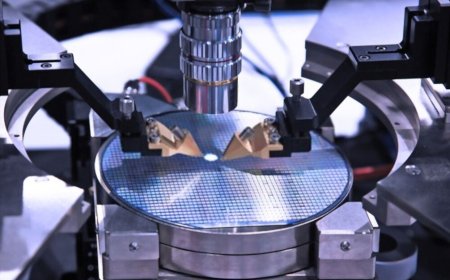
  • Explore the structure and function of basic semiconductor components, such as diodes, transistors, and integrated circuits.
  • Evaluate key performance metrics such as current-voltage (I-V) characteristics, response time, and power efficiency.
  • Receive real-time feedback on device behavior, electrical performance, and structural integrity.
  • Explore virtual tools and software that mimic industry-standard design workflows and simulation protocols.
  • Emphasize layout optimization, material selection, and manufacturing considerations to meet design requirements.

How do virtual labs work?

Enhance students' involvement in science by immersing them in interactive learning scenarios. Create simulations for experiments, provide hands-on training in laboratory techniques, and convey theoretical concepts through captivating visual experiences to improve their overall long-term learning outcomes.

  • Access web-based simulations that are compatible with laptops, Chromebooks, tablets, and iPads, eliminating the need for software installation.
  • Incorporate a teacher dashboard for automated grading and monitoring of student progress.
  • Utilize embedded quizzes to assist students in mastering scientific content.
  • Comprehensive repository of educational materials, including learning resources, lab reports, videos, theory pages, graphics, and more.

Relevant Course Packages All Course Packages

Airway Management and Ventilation

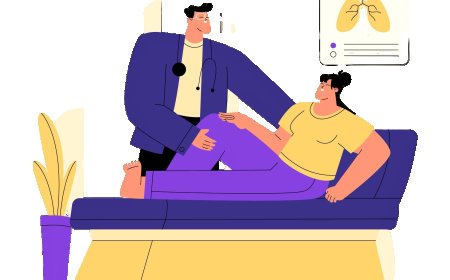
Equip students with the skills needed for effective airway management and ventilatory support in critical patients through XR-powered simulations. Students will practice intubation, using bag-valve masks (BVM), inserting airway adjuncts, and managing oxygen levels in emergency respiratory situations.

Cell Culture Techniques and Tissue Engineering

Introduce students to essential cell culture techniques and tissue engineering principles, focusing on growing and maintaining cells for research, therapeutic, and industrial purposes. Cover foundational knowledge for regenerative medicine and explore tissue constructs and cell differentiation.

Energy Systems and Renewable Technologies

Explore the principles of conventional and renewable energy systems, focusing on energy conversion, sustainability, and environmental impact.

Mechanical Systems Design and Integration

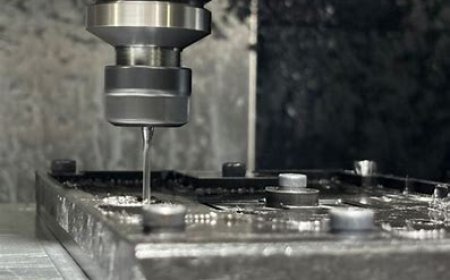
Mechanical Systems Design and Integration offers hands-on experience in designing and integrating mechanical systems with electrical components and sensors. Students will engage in virtual assembly of mechanical systems, such as gears, motors, and actuators, while integrating sensors and control systems to automate processes. Real-time feedback on system performance, including power consumption, efficiency, and alignment, provides students with valuable insights to optimize designs and improve functionality.

Wind Tunnel Testing and Aerodynamic Optimization

Gain hands-on experience in wind tunnel testing to study the aerodynamic behavior of aircraft models and optimize designs for improved flight performance. Using virtual wind tunnel environments, students will explore how lift, drag, and flow separation are affected by various aerodynamic factors. With interactive tools, they can adjust test conditions like wind speed, angle of attack, and turbulence levels, while receiving feedback on optimizing wing and fuselage shapes for maximum efficiency.

Robotics and Mechatronics Integration

Provide students with hands-on experience in designing, programming, and integrating robotic systems with mechanical components through immersive XR simulations. Students will work with virtual robotic arms and mechatronic systems, programming movements, adjusting sensors, and controlling actuators. The simulation includes interactive scenarios for integrating mechanical and electronic systems using sensors, motors, and control logic. Students will receive real-time feedback on robotic precision, response time, and the overall performance of the integrated systems.

LMS Integration

imaginX seamlessly integrates with leading LMS (Learning Management Systems), enabling educators to track student performance and allowing students to maintain their work records. It is compatible with popular platforms such as Canvas, Blackboard, Moodle, Google Classroom, Schoology, Sakai, Brightspace/D2L, and can also be used independently of an LMS.

Platform Features

Unlimited users faculty & students
Simulations
Simulations
Pedagogy Experts
Pedagogy Experts
Gamification
Gamification
Multiplayer
Multiplayer
Networking
Networking
Assignments
Assignments
Auto Grading
Auto Grading
AI
AI
LMS Integartion
LMS Integartion
Go Back Top