imaginX is used by many amazing schools and universities

University / College
Learning Objectives

At the end of this simulation, you will be able to:
  • Explore the layers of the skin in a virtual environment, enhancing understanding through interactive 3D models and simulations.
  • Practice infection control measures in a virtual setting, reinforcing skills such as hand hygiene through interactive scenarios.
  • Engage in simulated environments to actively implement and reinforce infection prevention strategies, emphasizing the significance of proactive measures.
  • Navigate through diverse virtual scenarios to practically apply infection control measures, promoting adaptive thinking and decision-making skills.
  • Familiarize oneself with the use of augmented reality technology in healthcare simulations, gaining proficiency in leveraging technology for educational purposes.

How do virtual labs work?

Enhance students' involvement in science by immersing them in interactive learning scenarios. Create simulations for experiments, provide hands-on training in laboratory techniques, and convey theoretical concepts through captivating visual experiences to improve their overall long-term learning outcomes.

  • Access web-based simulations that are compatible with laptops, Chromebooks, tablets, and iPads, eliminating the need for software installation.
  • Incorporate a teacher dashboard for automated grading and monitoring of student progress.
  • Utilize embedded quizzes to assist students in mastering scientific content.
  • Comprehensive repository of educational materials, including learning resources, lab reports, videos, theory pages, graphics, and more.

Relevant Course Packages All Course Packages

Moderate Postpartum Hemorrhage

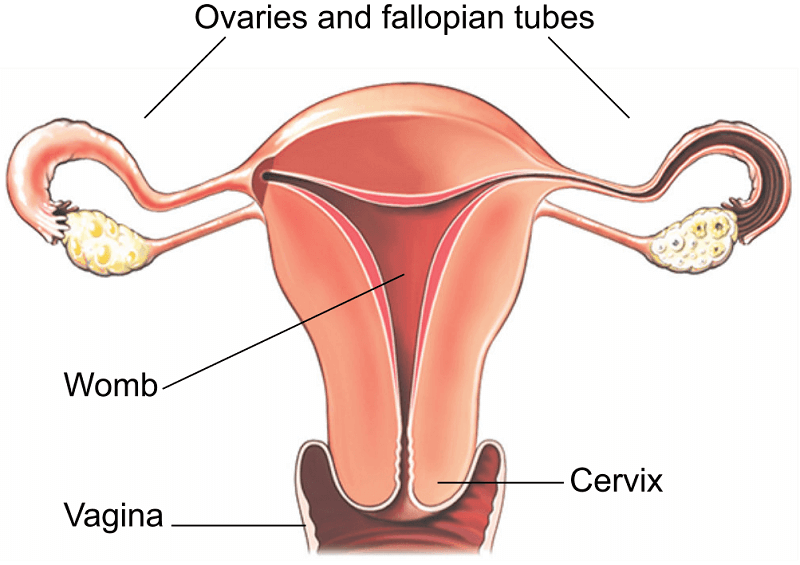
The Moderate Postpartum Hemorrhage XR simulation provides healthcare professionals with an interactive learning experience on how to manage moderate postpartum hemorrhage. Through realistic scenarios, users can practice identifying the signs of postpartum hemorrhage, implementing appropriate interventions, and monitoring the patients condition. The simulation aims to improve clinical decision-making and patient outcomes in the management of postpartum hemorrhage.

Assessment Related to Appendicitis

The Assessment Related to Appendicitis Extended Reality (XR) simulation provides healthcare professionals with an immersive learning experience to assess and evaluate patients suspected of having appendicitis. Through interactive scenarios and realistic simulations, participants learn to perform a systematic assessment, including history-taking, physical examination, and diagnostic tests, to identify signs and symptoms indicative of appendicitis. This simulation enhances clinical skills, diagnostic accuracy, and interdisciplinary collaboration, ultimately improving the quality of care and patient outcomes in the assessment and management of appendicitis.

Muscoloskeletal System Assessment

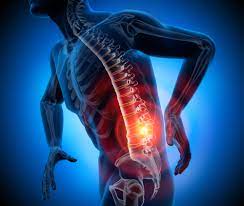
The Musculoskeletal System Assessment XR simulation offers a dynamic educational experience for healthcare professionals and students. Using Extended Reality, this simulation provides an immersive environment to refine skills in musculoskeletal assessment. Through lifelike scenarios, interactive examinations, and immediate feedback, users gain practical expertise in evaluating joint functionality, muscle strength, and overall musculoskeletal health. The simulation is designed to enhance users confidence and proficiency in conducting thorough musculoskeletal assessments within a controlled and engaging virtual setting.

Generalized Tonic- Clonic Seizures

The Generalized Tonic-Clonic Seizures XR simulation provides healthcare professionals with an interactive learning experience on how to manage generalized tonic-clonic seizures, also known as grand mal seizures. Through realistic scenarios, users can practice identifying the signs and symptoms of these seizures, such as loss of consciousness, stiffening of the body, and rhythmic jerking movements, and initiating appropriate interventions, such as ensuring patient safety, protecting the airway, and providing comfort. The simulation aims to improve clinical decision-making and patient outcomes in the management of generalized tonic-clonic seizures.

Sickle Cell Anemia with Acute Pain Crisis

Embark on an educational journey with our Sickle Cell Anemia with Acute Pain Crisis XR Simulation. Tailored for healthcare professionals, this simulation immerses participants in realistic scenarios of sickle cell anemia with acute pain crises. Navigate dynamic 3D visualizations, honing skills in rapid pain assessment, personalized pain management, and holistic care. Immerse yourself in this virtual, risk-free environment to enhance clinical decision-making and compassionate care for individuals experiencing sickle cell anemia-related pain crises.

Post Traumatic Stress Disorder (PTSD) and Traumatic Brain Injury (TBI)

The Post Traumatic Stress Disorder (PTSD) and Traumatic Brain Injury (TBI) XR simulation offers users a firsthand experience of the challenges faced by individuals living with PTSD and TBI. Through immersive scenarios, users can explore the symptoms of these conditions, including flashbacks, anxiety, memory issues, and cognitive difficulties. The simulation aims to increase empathy, understanding, and awareness of PTSD and TBI, helping to reduce stigma and promote support for those affected.

LMS Integration

imaginX seamlessly integrates with leading LMS (Learning Management Systems), enabling educators to track student performance and allowing students to maintain their work records. It is compatible with popular platforms such as Canvas, Blackboard, Moodle, Google Classroom, Schoology, Sakai, Brightspace/D2L, and can also be used independently of an LMS.

Platform Features

Unlimited users faculty & students
Simulations
Simulations
Pedagogy Experts
Pedagogy Experts
Gamification
Gamification
Multiplayer
Multiplayer
Networking
Networking
Assignments
Assignments
Auto Grading
Auto Grading
AI
AI
LMS Integartion
LMS Integartion
Go Back Top