- Specify the connection between pressure, volume, and temperature within gases through the utilization of gas thermometry.
- Utilize the Ideal Gas Law in practical applications.
Employ Gas Thermometry to verify the validity of the Ideal Gas Law. Establish the absolute zero temperature through a gas thermometry experiment, managing extreme temperature conditions with assistance from your lab partner.
University / College

Enhance students' involvement in science by immersing them in interactive learning scenarios. Create simulations for experiments, provide hands-on training in laboratory techniques, and convey theoretical concepts through captivating visual experiences to improve their overall long-term learning outcomes.
Gain an understanding of antibodies, antigens, the ABO and Rhesus blood grouping systems, and their significance in blood transfusions. Subsequently, assist a young couple in assessing the potential risk of Rhesus disease in their unborn child.
Examine the microstructural characteristics of the small intestine and acquire knowledge about the strengths and weaknesses associated with light, fluorescence, and electron microscopy techniques.
Explore the fundamentals of cancer progression and gene mutations associated with cancer to evaluate the potential breast cancer risk in a patient with a familial history of cancer.
Delve into the kidneys anatomy to unravel its diverse functions, while also investigating the mechanism behind a novel diuretic drug. This drug holds promise in averting hypertension.
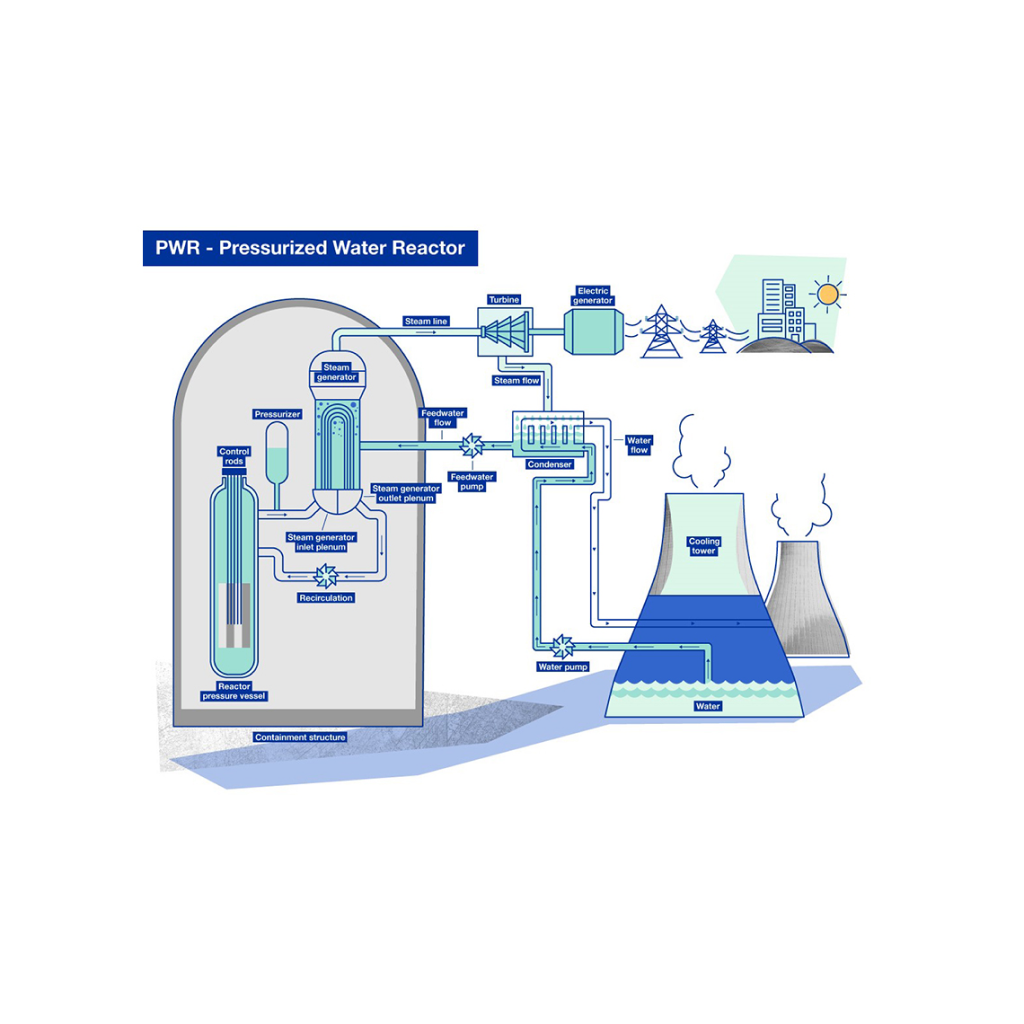
Have you ever been curious about the contents of an atomic nucleus? What causes certain elements to be radioactive? What exactly is radioactivity? The Nuclear Chemistry simulation will provide you with answers to these questions and more!
Delve into the architecture of proteins and acquire knowledge about the cellular synthesis process. Analyze the protein sequence to discern the distinctions in protein synthesis between prokaryotic and eukaryotic organisms.
imaginX seamlessly integrates with leading LMS (Learning Management Systems), enabling educators to track student performance and allowing students to maintain their work records. It is compatible with popular platforms such as Canvas, Blackboard, Moodle, Google Classroom, Schoology, Sakai, Brightspace/D2L, and can also be used independently of an LMS.