- Elucidate the primary distinctions between elimination reactions (E1 and E2) and substitution reactions (SN1 and SN2).
- Anticipate the reaction type and resultant product for conditions conducive to either SN1, SN2, E1, or E2 reactions.
Participate in the laboratory research led by iXGenie, where we explore the competitive dynamics of various substitution and elimination reactions in the field of organic chemistry. Make predictions, create mixtures, and observe the resulting outcomes!
University / College

Enhance students' involvement in science by immersing them in interactive learning scenarios. Create simulations for experiments, provide hands-on training in laboratory techniques, and convey theoretical concepts through captivating visual experiences to improve their overall long-term learning outcomes.
Save a town from an impending fuel shortage by applying your understanding of matter and the principles of phase changes, and executing ethanol distillation.
Observe three dives undertaken by a Weddell seal in the Antarctic region to determine the duration it can remain submerged while utilizing its stored oxygen reserves.
Performing a squid dissection and utilizing its large neuron to observe the transmission of information through an action potential generated by an electric current. Employing this data to identify a neurotoxin affecting a patient under medical care.
Assist a basketball team in understanding the second phase of cellular respiration, the Krebs cycle, to enhance their endurance and performance during the game.
Employ the method of serial dilution to measure the impact of a new antibiotic compound on the growth of bacteria.
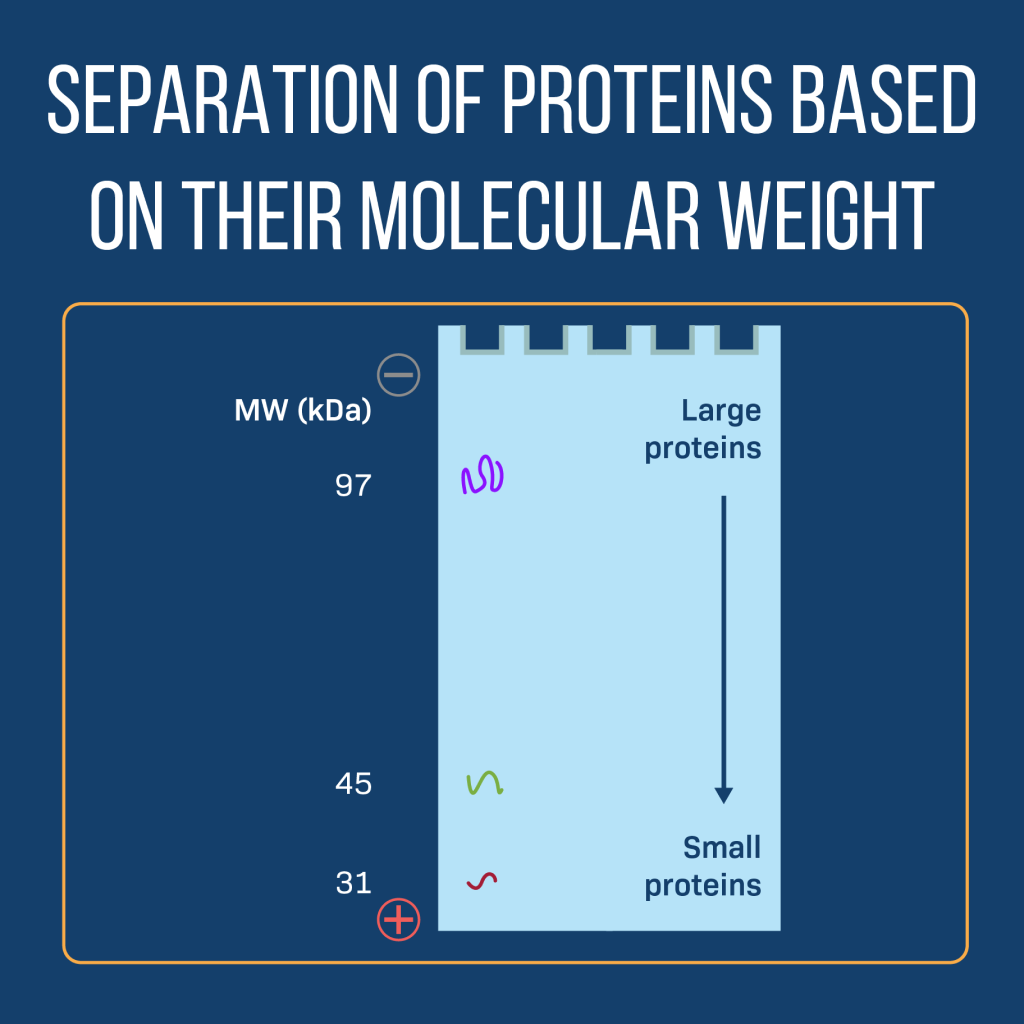
Explore every aspect of SDS-PAGE, starting from the choice of gel and sample preparation, through chamber assembly, and delving into the intricate processes that occur when the current is activated. This procedure enables the separation of proteins based solely on their molecular weight, moving us closer to the identification of the target protein.
imaginX seamlessly integrates with leading LMS (Learning Management Systems), enabling educators to track student performance and allowing students to maintain their work records. It is compatible with popular platforms such as Canvas, Blackboard, Moodle, Google Classroom, Schoology, Sakai, Brightspace/D2L, and can also be used independently of an LMS.