imaginX is used by many amazing schools and universities

University / College
Learning Objectives

At the end of this simulation, you will be able to:
  • Distinguish between the Earths reservoirs of oceanic and freshwater and elucidate the various manifestations that freshwater reservoirs can assume.
  • Elaborate on the interrelationships between the processes of the water cycle and the various hydrological reservoirs.
  • Develop conceptual models illustrating how human actions can influence processes like infiltration, interception, and runoff, and interpret the resulting consequences.

How do virtual labs work?

Enhance students' involvement in science by immersing them in interactive learning scenarios. Create simulations for experiments, provide hands-on training in laboratory techniques, and convey theoretical concepts through captivating visual experiences to improve their overall long-term learning outcomes.

  • Access web-based simulations that are compatible with laptops, Chromebooks, tablets, and iPads, eliminating the need for software installation.
  • Incorporate a teacher dashboard for automated grading and monitoring of student progress.
  • Utilize embedded quizzes to assist students in mastering scientific content.
  • Comprehensive repository of educational materials, including learning resources, lab reports, videos, theory pages, graphics, and more.

Relevant Course Packages All Course Packages

Virtual Lab: Comparative Analysis of Bacterial Structures

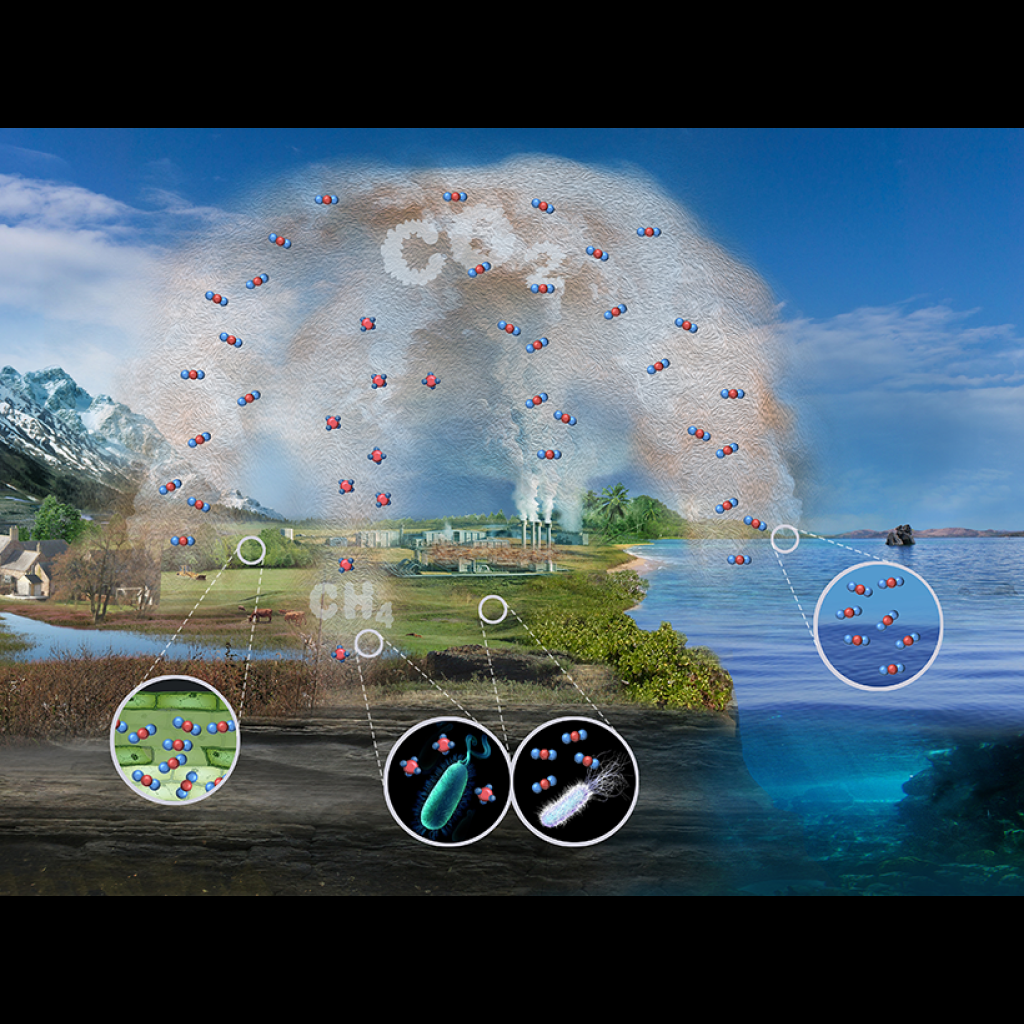
Embark on a journey to an Antarctic research station and collaborate with scientist Nicolas to investigate bacteria thriving in melting water. Delve into the essential survival traits of these microorganisms and draw comparisons with bacteria residing in diverse environments.

Virtual Lab: Introduction to Protein Synthesis

Delve into the architecture of proteins and gain insights into the cellular synthesis procedures.

Virtual Lab: Cell Membrane and Transport Mechanisms - Discovering How Transporters Maintain Cell Health

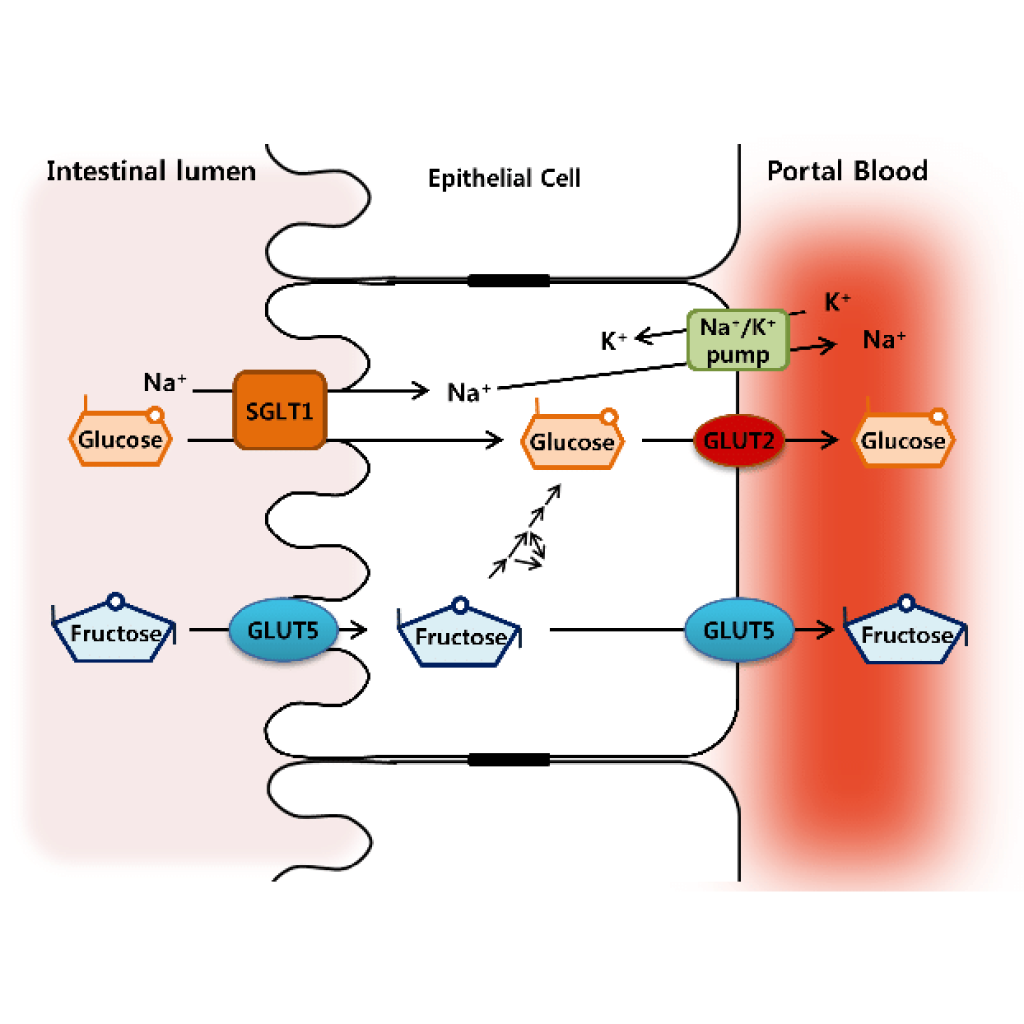
Explore the composition and operation of cellular membranes by propelling cargo molecules towards a simulated cell. Employ the knowledge gained in the laboratory to enhance the well-being of artificial cells, which the principal investigator intends to utilize for insulin production.

Virtual Lab: Introduction to Radioactive Decay

A meteor impact on Earth! Utilize a Geiger counter to investigate the crash site and retrieve a radioactive sample for analysis in the laboratory. Explore the concepts of decay types, decay series, and half-life while collaborating with iXGenie and Marie Curie to unravel the mysteries concealed within the meteor.

Virtual Lab: Discover Nervous System Functions for Self-Understanding.

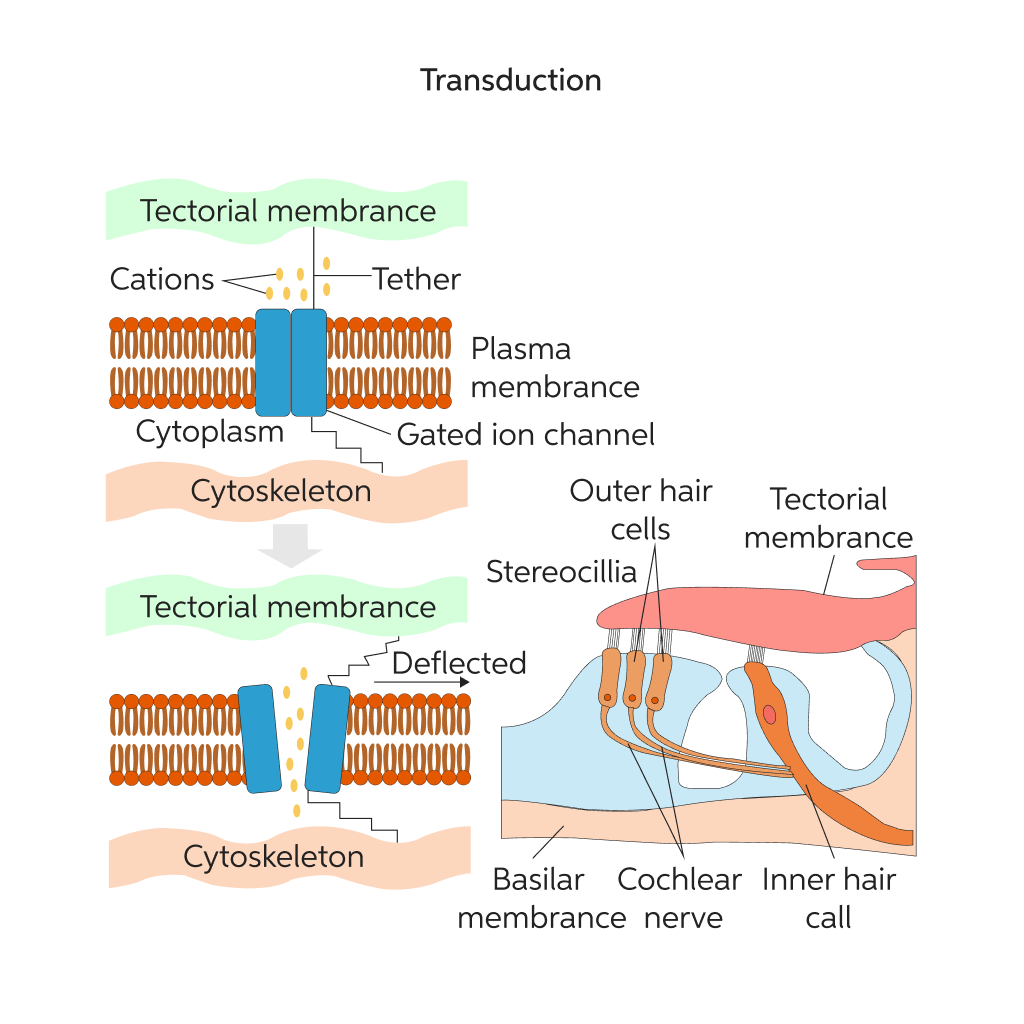
Step into imaginX Anatomy and Physiology laboratory for an exploration of the structures and roles within the central and peripheral nervous systems. Acquire knowledge about the foundational cells and neurons of the nervous system, as well as their intricate communication through synapses.

Virtual Lab: Cell Structure - Exploring Cell Theory and Internal Organelles

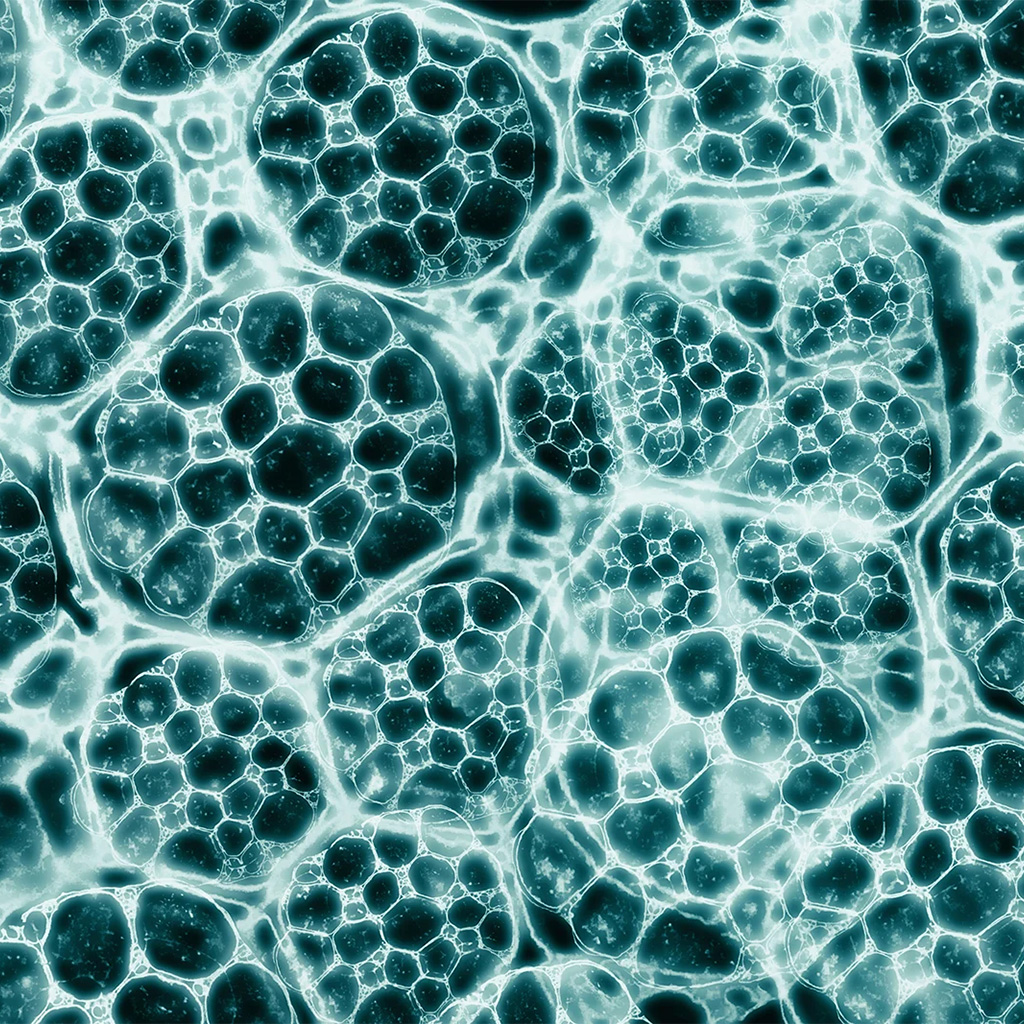
Examine various cell specimens under the microscope to distinguish the distinctions between eukaryotic and prokaryotic cells. Construct the anatomy of an animal cell and select the internal organelles for four distinct specialized cell types.

LMS Integration

imaginX seamlessly integrates with leading LMS (Learning Management Systems), enabling educators to track student performance and allowing students to maintain their work records. It is compatible with popular platforms such as Canvas, Blackboard, Moodle, Google Classroom, Schoology, Sakai, Brightspace/D2L, and can also be used independently of an LMS.

Platform Features

Unlimited users faculty & students
Simulations
Simulations
Pedagogy Experts
Pedagogy Experts
Gamification
Gamification
Multiplayer
Multiplayer
Networking
Networking
Assignments
Assignments
Auto Grading
Auto Grading
AI
AI
LMS Integartion
LMS Integartion
Go Back Top