- Explain the phenomenon of convection.
- Establish a connection between the origin of Earths internal heat and plate movement.
- Recognize plate tectonics as a manifestation of convection currents within the Earths mantle.
Tectonic plates move at a pace of two to three centimeters annually, but what drives this movement, and how does it occur? Generate convection currents within various substances to gain insights into the factors behind plate motion and comprehend the reasons for its gradual nature.
University / College

Enhance students' involvement in science by immersing them in interactive learning scenarios. Create simulations for experiments, provide hands-on training in laboratory techniques, and convey theoretical concepts through captivating visual experiences to improve their overall long-term learning outcomes.
Conduct an investigation into the basics of human DNA, encompassing its location, structural composition, and its functional role. Prepare an explanation suitable for a perplexed reader of your science magazine.
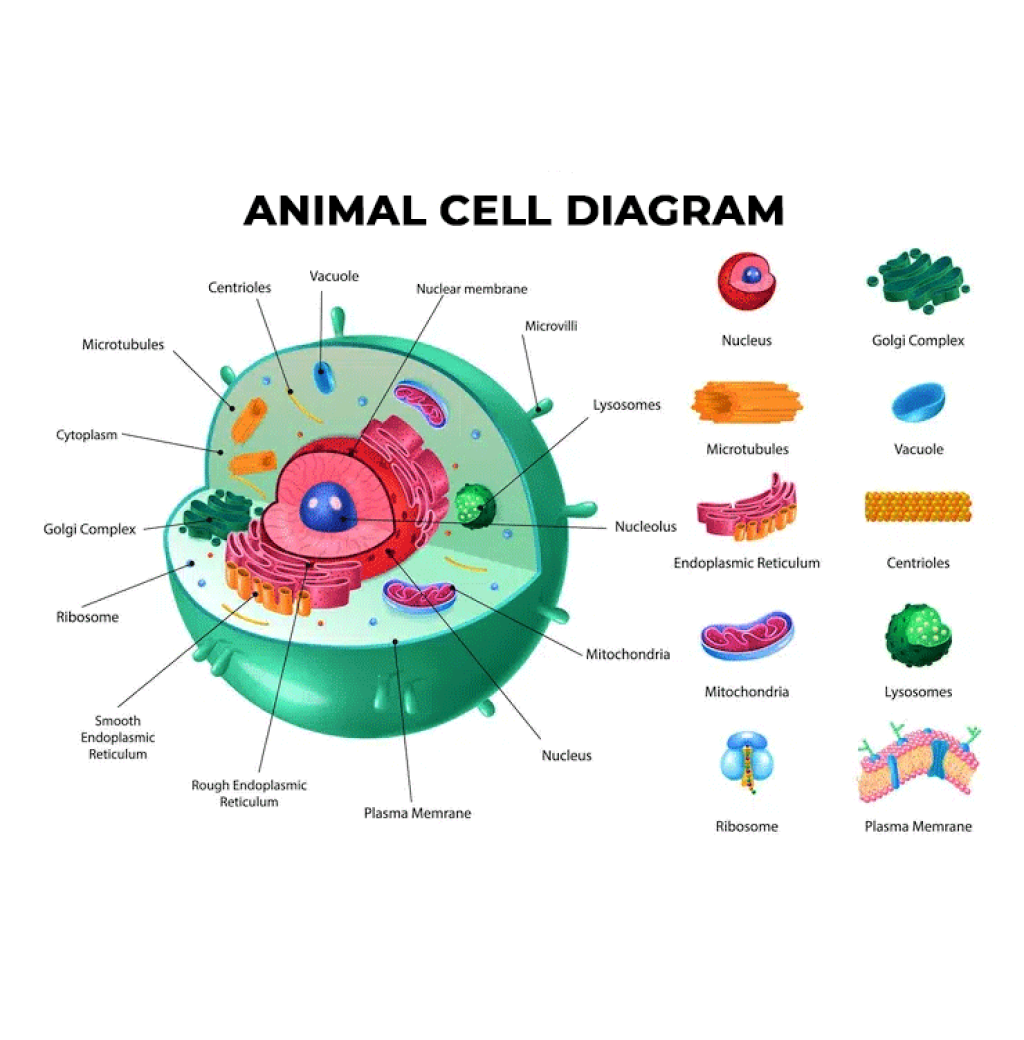
Assist in identifying the bears last meal by constructing the framework and selecting the internal organelles for the four fundamental types of animal cells located within the bears oral cavity.
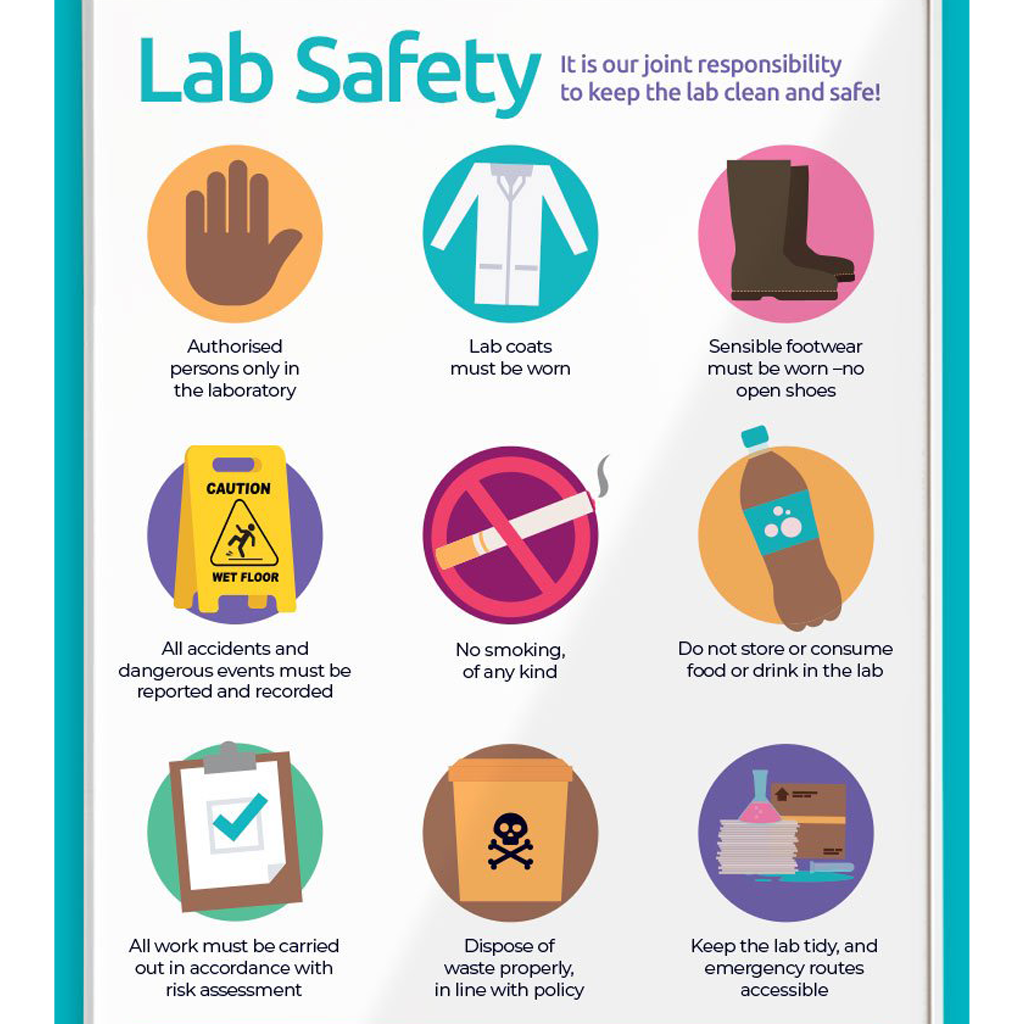
Navigate through your initial day in the laboratory by recognizing potential hazards in an unsafe lab environment. Youll receive an introduction to laboratory attire, safety gear, and the dos and donts while conducting experiments.
Acquire the skills to create and analyze heating curves for both ethanol and water. Explore the process of connecting heating curve data with recorded substance behavior during heating and extracting physical properties from the generated curve.
Ever Been Curious About the Nature of Proteins? Explore Protein Structure and Learn How to Detect Its Presence in Food Samples.
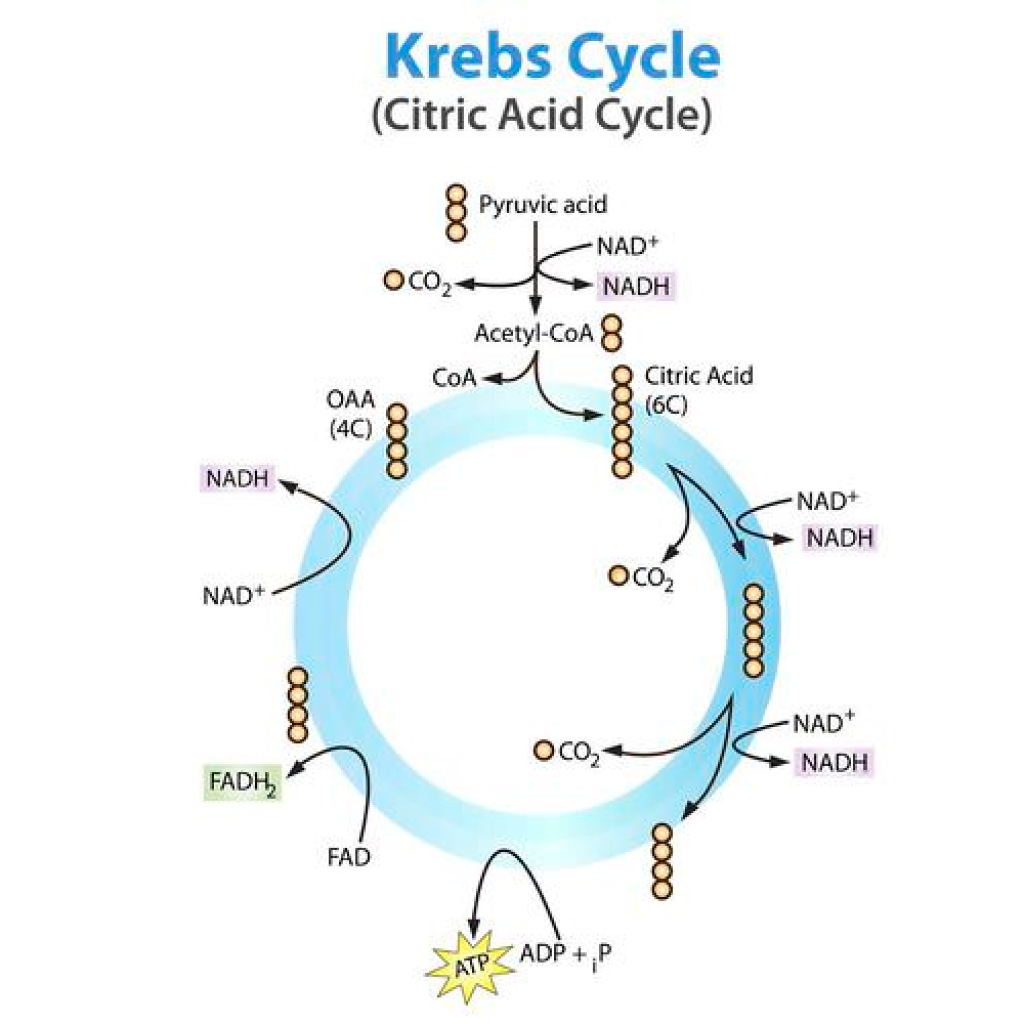
Assist a basketball team in understanding the second phase of cellular respiration, the Krebs cycle, to enhance their endurance and performance during the game.
imaginX seamlessly integrates with leading LMS (Learning Management Systems), enabling educators to track student performance and allowing students to maintain their work records. It is compatible with popular platforms such as Canvas, Blackboard, Moodle, Google Classroom, Schoology, Sakai, Brightspace/D2L, and can also be used independently of an LMS.