- Establish a connection between the configuration of bacterial cell envelopes and the results yielded by Gram staining.
- Discriminate between Gram-positive and Gram-negative bacteria when examining them under a microscope.
Have you ever questioned the process by which bacterial cells become stained in Gram staining procedures? Explore how cells maintain specific colors during the experiment, allowing for differentiation under the microscope!
University / College

Enhance students' involvement in science by immersing them in interactive learning scenarios. Create simulations for experiments, provide hands-on training in laboratory techniques, and convey theoretical concepts through captivating visual experiences to improve their overall long-term learning outcomes.
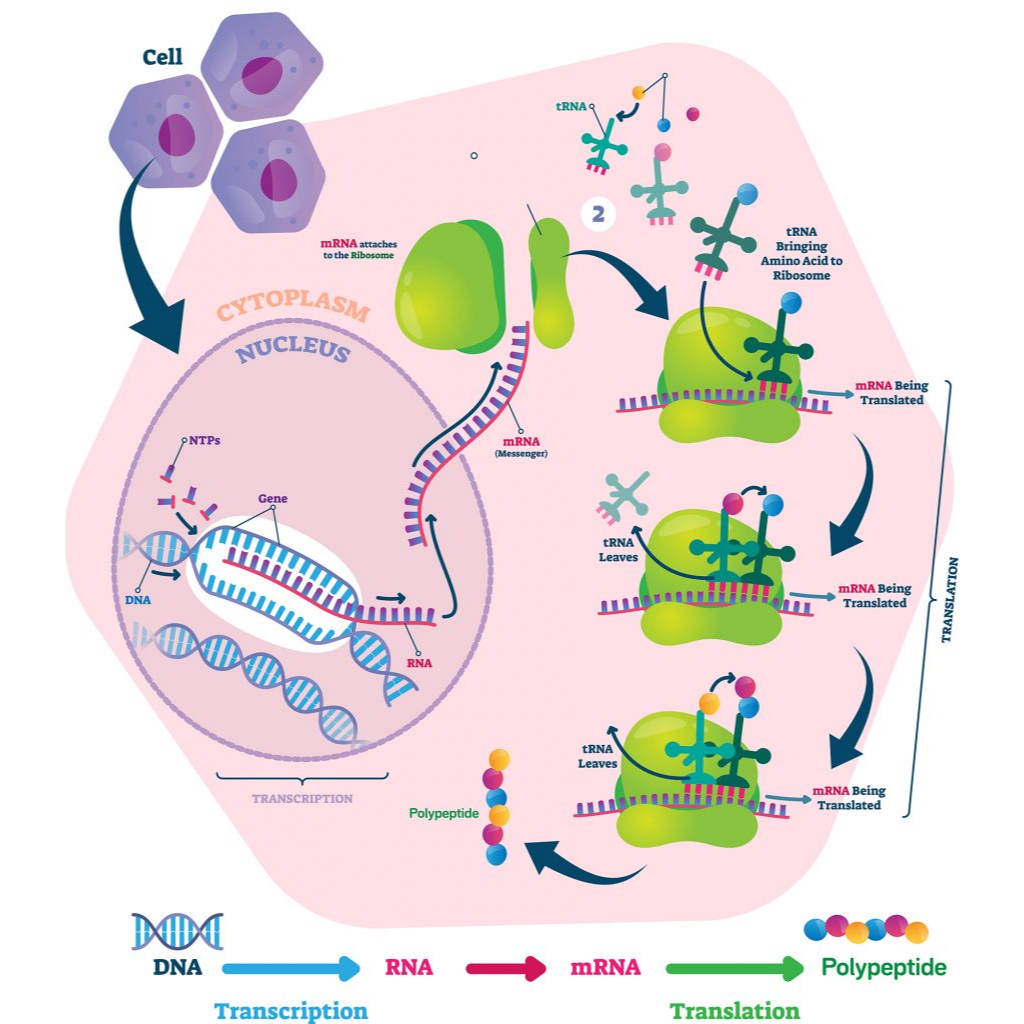
Explore every aspect of SDS-PAGE, starting from the choice of gel and sample preparation, through chamber assembly, and delving into the intricate processes that occur when the current is activated. This procedure enables the separation of proteins based solely on their molecular weight, moving us closer to the identification of the target protein.
Explore the fundamentals of antibodies, antigens, the ABO blood group system, and the Rhesus factor, and their critical roles in blood transfusions. Next, assist a young couple in assessing the potential risk of Rhesus disease in their upcoming child.
Explore the composition and operation of cellular membranes by propelling cargo molecules towards a simulated cell. Employ the knowledge gained in the laboratory to enhance the well-being of artificial cells, which the principal investigator intends to utilize for insulin production.
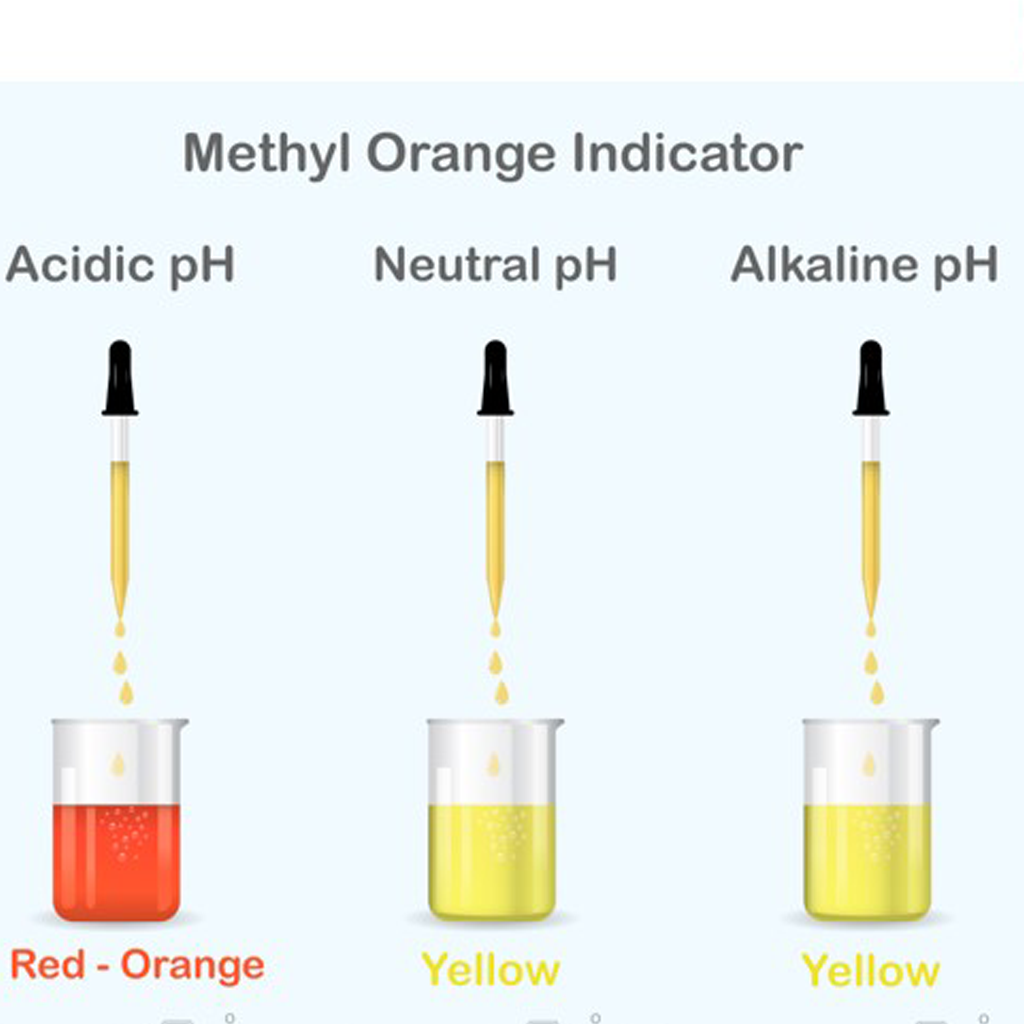
Within an advanced laboratory, a robotic assistant will guide you in assessing the acidity of a lake composed of acid on an exoplanet. This experience will teach you how to measure the acidity and alkalinity of various substances.
Participate in the mission to save Franks life by selecting the appropriate saline solution for an intravenous drip. Team up with iXGenie in the laboratory to explore the concepts of hypotonic, isotonic, and hypertonic solutions, as well as the mechanisms of water transport across the cell membrane through osmosis.
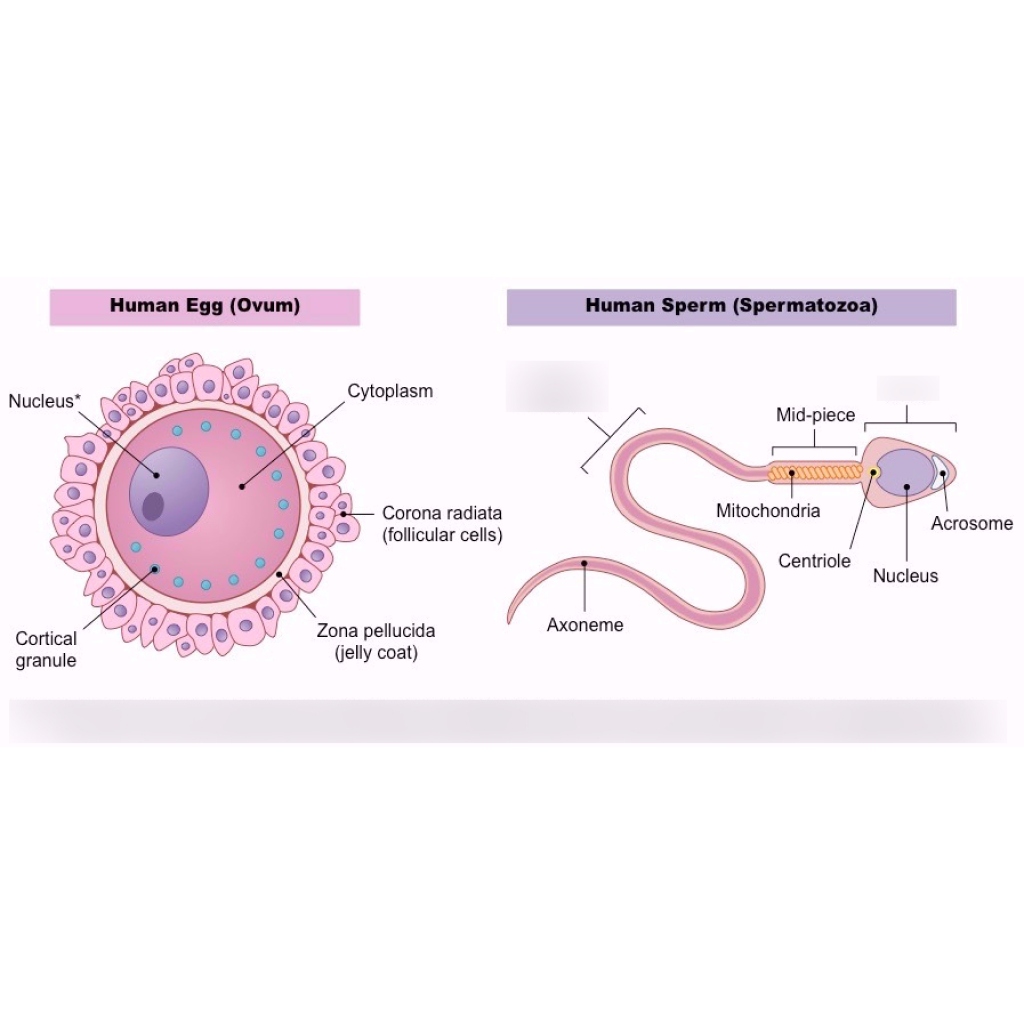
Examine various cell specimens under the microscope to distinguish the distinctions between eukaryotic and prokaryotic cells. Construct the anatomy of an animal cell and select the internal organelles for four distinct specialized cell types.
imaginX seamlessly integrates with leading LMS (Learning Management Systems), enabling educators to track student performance and allowing students to maintain their work records. It is compatible with popular platforms such as Canvas, Blackboard, Moodle, Google Classroom, Schoology, Sakai, Brightspace/D2L, and can also be used independently of an LMS.