NA
imaginX is used by many amazing schools and universities

University / College
Exploring a Hypothetical Approach to Identifying Hazardous Group 3 Microorganisms in a Containment Level 3 (Biosafety Level 3, BSL3) Research Laboratory.
University / College
NA
Enhance students' involvement in science by immersing them in interactive learning scenarios. Create simulations for experiments, provide hands-on training in laboratory techniques, and convey theoretical concepts through captivating visual experiences to improve their overall long-term learning outcomes.

Explore the hidden spectrum within phenolphthalein and learn how to reveal its vibrant hues by manipulating pH levels. Delve into the microscopic world of molecules to understand the science behind the colors of chemicals, and apply this knowledge in conducting the phthalein-dye test for phenols.

Engage in an interactive experience as you examine and annotate a highly detailed 3D model of the male reproductive system. Delve deeper into the male reproductive tract, uncovering the positions of the ducts and the roles of the glands as you journey through.
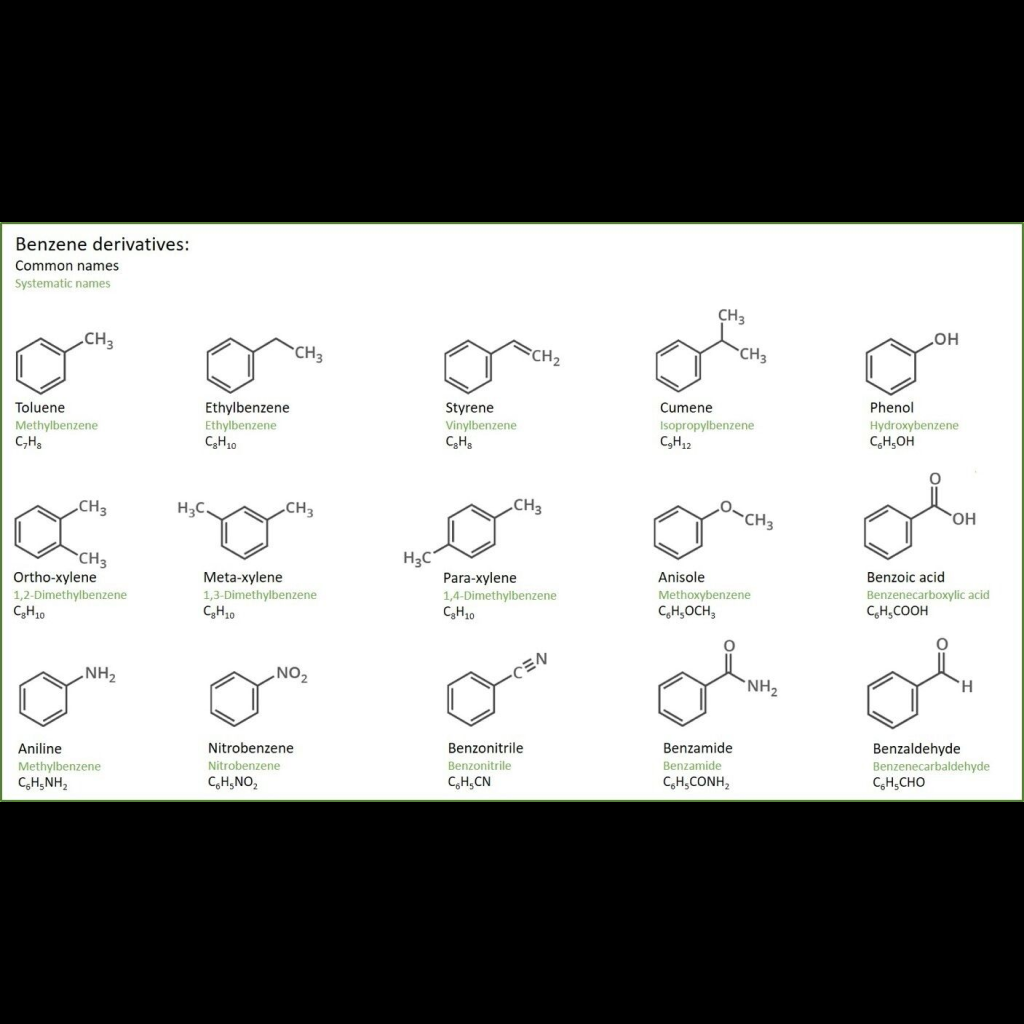
Join iXGenie in our chemistry laboratory and gain expertise in identifying aromaticity, mastering IUPAC and non-systematic compound naming, and distinguishing between aromatic and non-aromatic compounds. Are you up for the challenge to become a champion of the Chemistry Olympics?

Assist the scientists in restoring electricity to their laboratory by gaining a comprehensive understanding of the principles of electrical systems.

Examine the microstructural characteristics of the small intestine and acquire knowledge about the strengths and weaknesses associated with light, fluorescence, and electron microscopy techniques.

Participate in imaginX Anatomy and Physiology Lab, where you can delve into the intricacies of pulmonary ventilation physiology. Gain insights into the respiratory systems structure, functions, and potential dysfunctions.
imaginX seamlessly integrates with leading LMS (Learning Management Systems), enabling educators to track student performance and allowing students to maintain their work records. It is compatible with popular platforms such as Canvas, Blackboard, Moodle, Google Classroom, Schoology, Sakai, Brightspace/D2L, and can also be used independently of an LMS.