imaginX is used by many amazing schools and universities

University / College

Learning Objectives

At the end of this simulation, you will be able to:
  • Explore and identify various EKG rhythms, including tachycardia, bradycardia, and arrhythmias.
  • Understand the physiology of heart rhythms and the conduction systems that regulate them.
  • Master the interpretation of 12-lead EKGs to diagnose cardiac conditions with precision.
  • Apply diagnostic knowledge to determine the best interventions based on EKG findings.
  • Receive actionable feedback on rhythm interpretation, diagnostic accuracy, and clinical decision-making.

How do virtual labs work?

Enhance students' involvement in science by immersing them in interactive learning scenarios. Create simulations for experiments, provide hands-on training in laboratory techniques, and convey theoretical concepts through captivating visual experiences to improve their overall long-term learning outcomes.

  • Access web-based simulations that are compatible with laptops, Chromebooks, tablets, and iPads, eliminating the need for software installation.
  • Incorporate a teacher dashboard for automated grading and monitoring of student progress.
  • Utilize embedded quizzes to assist students in mastering scientific content.
  • Comprehensive repository of educational materials, including learning resources, lab reports, videos, theory pages, graphics, and more.

Relevant Course Packages All Course Packages

Weld Defect Identification and Correction

The Weld Defect Identification and Correction simulation leverages XR technology to train participants in recognizing and addressing common welding defects, ensuring superior weld quality. Through interactive scenarios and real-time feedback, users refine their skills in diagnosing and rectifying flaws.

Servo Motor and Stepper Motor Control

Explore the use and control of servo motors and stepper motors in precision control applications. Through virtual simulations, students can set up and fine-tune motor control circuits, adjusting parameters such as speed, torque, and position. Real-time feedback on control accuracy, performance optimization, and motor troubleshooting enhances understanding and hands-on learning.

Pavement Design and Analysis (XR)

Explore the principles of designing durable and efficient pavements for roads, highways, and airfields. Students can engage in virtual scenarios to design flexible and rigid pavement layers, select materials, and analyze the effects of traffic loads. Interactive tools guide them in determining pavement thickness, stress distribution, and conducting life cycle analyses. Feedback emphasizes durability, cost optimization, and long-term maintenance strategies.

Airflow and Duct Design Simulation

The Airflow and Duct Design Simulation trains students in calculating airflow requirements and designing ducts to ensure HVAC systems operate efficiently. The simulation features virtual tools for calculating airflow based on building dimensions and heating/cooling loads. Students engage in interactive duct design exercises, where they size ducts, select materials, and place vents for optimal airflow. Real-time feedback is provided on pressure loss, air distribution efficiency, and adherence to industry standards.

Geotechnical Engineering and Soil Mechanics

This XR simulation provides students with hands-on training in soil analysis, foundation design, and geotechnical investigation techniques. Virtual soil testing labs allow students to perform essential tests such as the Standard Penetration Test (SPT), Cone Penetration Test (CPT), and triaxial shear tests. The simulation includes interactive scenarios for designing shallow and deep foundations, retaining walls, and methods for slope stabilization. Students receive feedback on soil classification, bearing capacity, settlement predictions, and foundation stability to ensure they understand the fundamental principles of geotechnical engineering.

Mechanical Systems Design and Integration

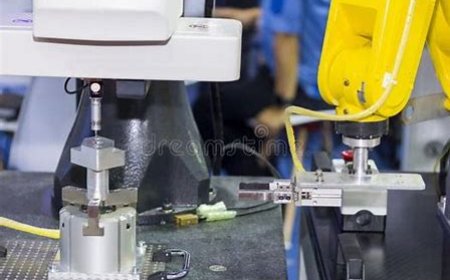
Mechanical Systems Design and Integration offers hands-on experience in designing and integrating mechanical systems with electrical components and sensors. Students will engage in virtual assembly of mechanical systems, such as gears, motors, and actuators, while integrating sensors and control systems to automate processes. Real-time feedback on system performance, including power consumption, efficiency, and alignment, provides students with valuable insights to optimize designs and improve functionality.

LMS Integration

imaginX seamlessly integrates with leading LMS (Learning Management Systems), enabling educators to track student performance and allowing students to maintain their work records. It is compatible with popular platforms such as Canvas, Blackboard, Moodle, Google Classroom, Schoology, Sakai, Brightspace/D2L, and can also be used independently of an LMS.

Platform Features

Unlimited users faculty & students
Simulations
Simulations
Pedagogy Experts
Pedagogy Experts
Gamification
Gamification
Multiplayer
Multiplayer
Networking
Networking
Assignments
Assignments
Auto Grading
Auto Grading
AI
AI
LMS Integartion
LMS Integartion
Go Back Top