imaginX is used by many amazing schools and universities

University / College
Learning Objectives

At the end of this simulation, you will be able to:
  • Demonstrate appropriate actions in scenarios such as cardiac arrest, anaphylactic shock, trauma, and respiratory distress.
  • Apply CPR techniques, use defibrillators, administer emergency medications, and manage airways effectively.
  • Develop critical thinking and decision-making skills under time-sensitive and high-pressure situations.
  • Follow established guidelines and protocols to ensure compliance with clinical and safety standards during emergencies.
  • Work collaboratively in simulated team-based scenarios to ensure effective communication and coordination among healthcare professionals.

How do virtual labs work?

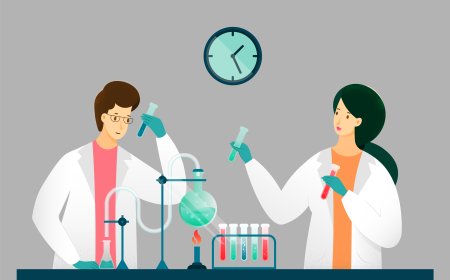
Enhance students' involvement in science by immersing them in interactive learning scenarios. Create simulations for experiments, provide hands-on training in laboratory techniques, and convey theoretical concepts through captivating visual experiences to improve their overall long-term learning outcomes.

  • Access web-based simulations that are compatible with laptops, Chromebooks, tablets, and iPads, eliminating the need for software installation.
  • Incorporate a teacher dashboard for automated grading and monitoring of student progress.
  • Utilize embedded quizzes to assist students in mastering scientific content.
  • Comprehensive repository of educational materials, including learning resources, lab reports, videos, theory pages, graphics, and more.

Relevant Course Packages All Course Packages

Fuel System Inspection and Maintenance

Train in the inspection and maintenance of aircraft fuel systems, with a focus on tanks, pumps, lines, and valves. Virtual scenarios will allow for the detection of leaks, blockages, and contamination in fuel systems. Interactive lessons cover cleaning fuel filters, calibrating gauges, and testing the fuel delivery system, with real-time feedback on system efficiency and safety compliance.

HVAC Load Calculation and System Sizing

The HVAC Load Calculation and System Sizing Simulation teaches students how to calculate heating and cooling loads and properly size HVAC systems for different buildings. Virtual tools are provided for load calculation, factoring in building insulation, square footage, number of occupants, and climate conditions. Students then engage in interactive scenarios to select the appropriate HVAC equipment based on the calculated loads. Real-time feedback is provided on the accuracy of system sizing, energy efficiency, and overall occupant comfort.

Patient Assessment and Pulmonary Function Testing

Empower students to explore and master comprehensive respiratory assessments and pulmonary function testing through innovative XR simulations. Students will engage with virtual scenarios to assess lung sounds, measure respiratory rates, and perform tests like spirometry and blood gas analysis, enhancing their diagnostic skills.

Fatigue and Failure Analysis of Aerospace Components

Dive into the analysis of fatigue and failure in aerospace components with XR-powered simulations. In virtual scenarios, students analyze crack propagation, stress concentrations, and fatigue loading on critical parts of aircraft and spacecraft. Interactive lessons allow for predicting failure points, analyzing material fatigue, and learning techniques to implement design improvements to enhance component longevity. Real-time feedback is provided on component durability, the risk of failure, and adherence to safety standards.

Drug Delivery Systems and Microfluidics

Empower students to master the design and function of drug delivery systems with a focus on microfluidic devices for precise medication administration. Through immersive simulations, students will design and test microfluidic devices, optimizing fluid dynamics and dosage control for various medical conditions.

Sustainability and Energy Efficiency in Mechatronics

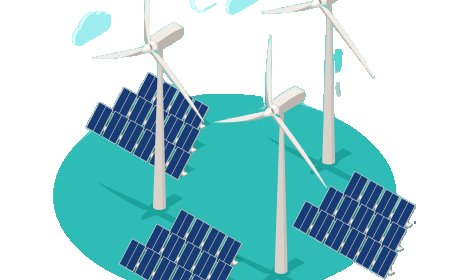
Explore the principles of sustainable mechatronics design, with a focus on energy efficiency and resource management. Through virtual simulations, students will analyze the energy consumption of various mechatronic systems and processes, engage in interactive scenarios to optimize systems for energy efficiency, reduce waste, and improve sustainability. Real-time feedback on energy usage, cost savings, and environmental impact helps students refine their design choices for maximum sustainability.

LMS Integration

imaginX seamlessly integrates with leading LMS (Learning Management Systems), enabling educators to track student performance and allowing students to maintain their work records. It is compatible with popular platforms such as Canvas, Blackboard, Moodle, Google Classroom, Schoology, Sakai, Brightspace/D2L, and can also be used independently of an LMS.

Platform Features

Unlimited users faculty & students
Simulations
Simulations
Pedagogy Experts
Pedagogy Experts
Gamification
Gamification
Multiplayer
Multiplayer
Networking
Networking
Assignments
Assignments
Auto Grading
Auto Grading
AI
AI
LMS Integartion
LMS Integartion
Go Back Top