imaginX is used by many amazing schools and universities

University / College

Learning Objectives

At the end of this simulation, you will be able to:
  • Learn the key techniques for framing walls, floors, roofs, and ceilings in building construction.
  • Gain proficiency in measuring, cutting, and assembling structural components like studs, joists, and rafters.
  • Understand the process of creating window and door openings and installing headers.
  • Develop skills to ensure structural stability and integrity in framing projects.
  • Receive feedback on accuracy, alignment, and compliance with building codes during framing tasks.

How do virtual labs work?

Enhance students' involvement in science by immersing them in interactive learning scenarios. Create simulations for experiments, provide hands-on training in laboratory techniques, and convey theoretical concepts through captivating visual experiences to improve their overall long-term learning outcomes.

  • Access web-based simulations that are compatible with laptops, Chromebooks, tablets, and iPads, eliminating the need for software installation.
  • Incorporate a teacher dashboard for automated grading and monitoring of student progress.
  • Utilize embedded quizzes to assist students in mastering scientific content.
  • Comprehensive repository of educational materials, including learning resources, lab reports, videos, theory pages, graphics, and more.

Relevant Course Packages All Course Packages

Aircraft Systems Integration Testing

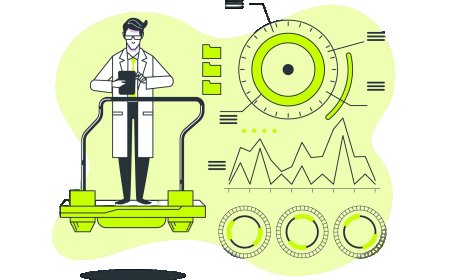
XR-enabled simulation for aircraft systems integration testing, ensuring seamless functionality across avionics, propulsion, hydraulics, and flight control systems. Virtual scenarios allow for testing, troubleshooting, and data interpretation to optimize overall aircraft performance and readiness.

Basic Tool Usage and Safety

The Basic Tool Usage and Safety Simulation teaches students how to safely and efficiently use basic carpentry tools, including both hand tools and power tools. Virtual tutorials guide students through the correct use of hand tools like hammers, saws, measuring tapes, levels, and chisels. The simulation also covers the operation of power tools such as circular saws, miter saws, drills, and nail guns. Safety scenarios help students understand proper handling, tool maintenance, and the importance of personal protective equipment (PPE). Real-time feedback focuses on tool handling, accuracy, and safety adherence.

Neonatal and Pediatric Respiratory Care

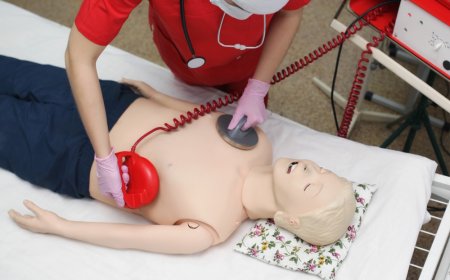
Provide an immersive learning experience to explore neonatal and pediatric respiratory care. This simulation allows students to manage ventilation, CPAP, and oxygen therapy, specifically tailored for infants and children, enhancing their ability to address pediatric respiratory distress with precision.

Hydronic Heating Systems

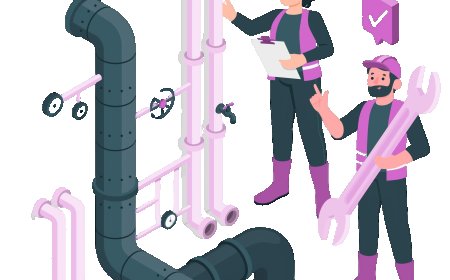
The Hydronic Heating Systems Simulation trains students on hydronic heating systems, which use water to distribute heat throughout a building. Students can practice virtually installing and troubleshooting systems that include boilers, radiators, and piping systems. Interactive exercises focus on adjusting water flow rates, pressure settings, and temperature control for radiant heating. Real-time feedback is provided on system balance, heat distribution, and energy efficiency.

Sensor and Actuator Integration Simulation

Sensor and Actuator Integration Simulation teaches students how to integrate various types of sensors (such as proximity, temperature, and pressure) with actuators in automated systems. Through hands-on simulations, students will virtually integrate sensors into control systems, monitor input data in real-time, and observe how actuators (such as motors, solenoids, and relays) respond to sensor inputs. The course provides valuable feedback on sensor accuracy, system responsiveness, and effective calibration techniques.

Chiller System Installation and Maintenance

The Chiller System Installation and Maintenance Simulation trains students on the installation, maintenance, and troubleshooting of chiller systems used in commercial buildings for large-scale cooling applications. Students will practice virtually installing air-cooled and water-cooled chiller systems, connecting them to cooling towers and air handlers. Maintenance tasks include cleaning chiller tubes, monitoring refrigerant levels, and inspecting compressors. Troubleshooting scenarios will focus on issues like reduced cooling capacity, refrigerant leaks, and mechanical failures. Real-time feedback will be provided on system performance, energy consumption, and efficiency optimization.

LMS Integration

imaginX seamlessly integrates with leading LMS (Learning Management Systems), enabling educators to track student performance and allowing students to maintain their work records. It is compatible with popular platforms such as Canvas, Blackboard, Moodle, Google Classroom, Schoology, Sakai, Brightspace/D2L, and can also be used independently of an LMS.

Platform Features

Unlimited users faculty & students
Simulations
Simulations
Pedagogy Experts
Pedagogy Experts
Gamification
Gamification
Multiplayer
Multiplayer
Networking
Networking
Assignments
Assignments
Auto Grading
Auto Grading
AI
AI
LMS Integartion
LMS Integartion
Go Back Top