imaginX is used by many amazing schools and universities

University / College
Learning Objectives

At the end of this simulation, you will be able to:
  • Develop a comprehensive understanding of the pathophysiology of hepatic cirrhosis, including the progressive nature of liver damage and the impact on hepatic function.
  • Improve diagnostic proficiency in identifying hepatic cirrhosis through interactive 3D visualizations, including the interpretation of imaging studies and laboratory results.
  • Gain insights into the concept of portal hypertension in hepatic cirrhosis, including its causes, clinical manifestations, and implications for patient management.
  • Explore the nutritional considerations and dietary management required for patients with hepatic cirrhosis, addressing specific challenges and needs.
  • Understand the indications, contraindications, and considerations for liver transplantation in the context of hepatic cirrhosis.

How do virtual labs work?

Enhance students' involvement in science by immersing them in interactive learning scenarios. Create simulations for experiments, provide hands-on training in laboratory techniques, and convey theoretical concepts through captivating visual experiences to improve their overall long-term learning outcomes.

  • Access web-based simulations that are compatible with laptops, Chromebooks, tablets, and iPads, eliminating the need for software installation.
  • Incorporate a teacher dashboard for automated grading and monitoring of student progress.
  • Utilize embedded quizzes to assist students in mastering scientific content.
  • Comprehensive repository of educational materials, including learning resources, lab reports, videos, theory pages, graphics, and more.

Relevant Course Packages All Course Packages

End-of-Life Care and Family Support

The End-of-Life Care and Family Support Extended Reality (XR) simulation provides a dynamic learning platform for healthcare professionals to understand and address the complexities of end-of-life care and support for patients and their families. Through interactive scenarios and realistic simulations, participants gain insights into palliative care principles, communication strategies, symptom management, and emotional support techniques. This simulation enhances healthcare professionals skills in providing compassionate, patient-centered care and supporting families through the end-of-life journey, ultimately improving the quality of life for patients and their loved ones during this challenging time.

Post-op Hemicolectomy: Pulmonary Embolism

The Post-op Hemicolectomy: Pulmonary Embolism XR simulation provides healthcare professionals with an interactive learning experience on how to recognize and manage pulmonary embolism in a post-operative hemicolectomy patient. Through realistic scenarios, users can practice identifying the signs and symptoms of pulmonary embolism, ordering diagnostic tests, and initiating appropriate treatment, aiming to improve patient outcomes and reduce complications. The simulation focuses on enhancing clinical decision making skills and promoting best practices in managing this specific clinical scenario.

Major Depressive Disorder, Part 1

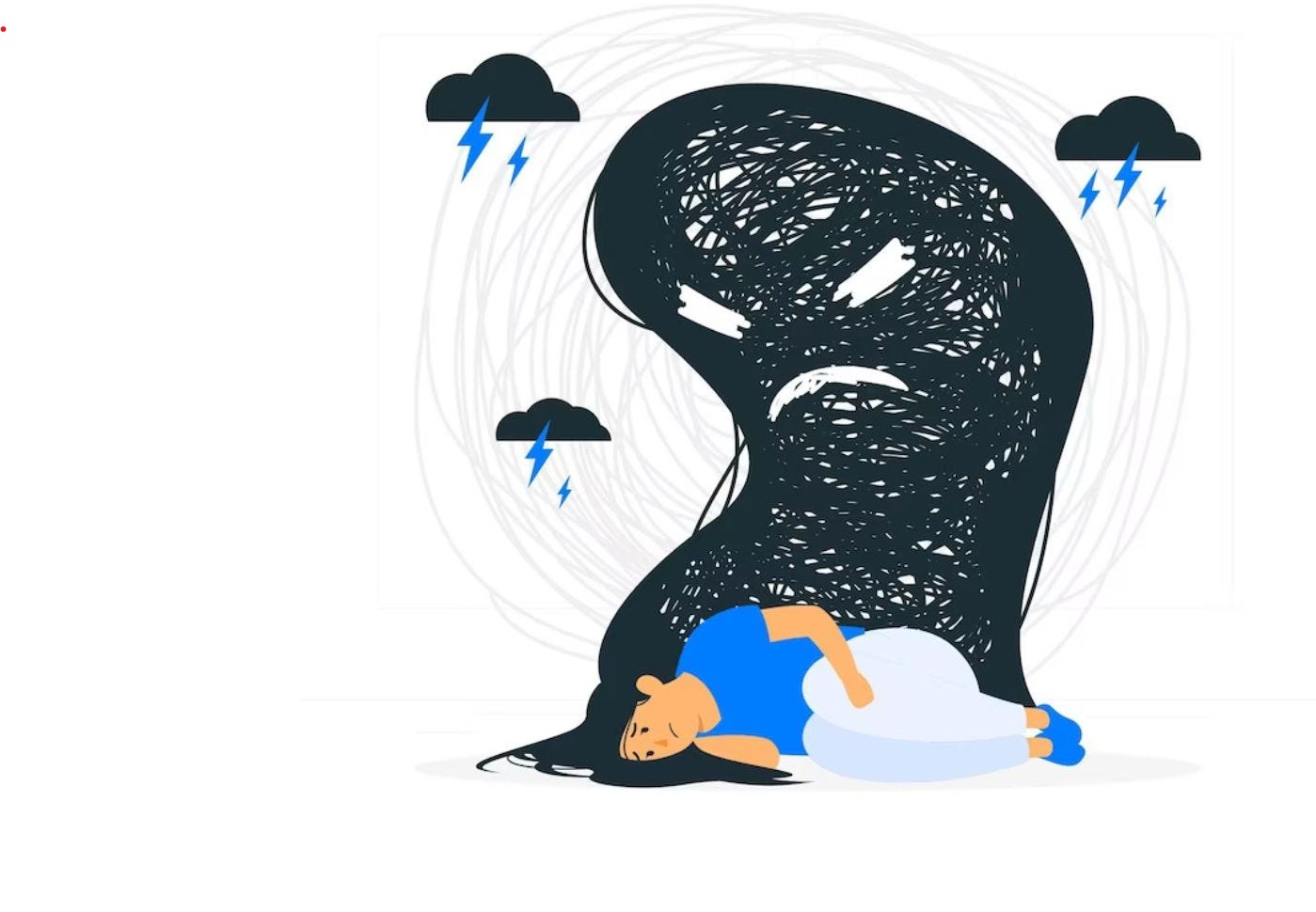
The Major Depressive Disorder, Part 1 XR simulation offers users a glimpse into the experience of living with major depressive disorder (MDD). Through immersive scenarios, users can explore the emotional and cognitive symptoms of MDD, such as persistent sadness, loss of interest in activities, and difficulty concentrating. The simulation aims to increase empathy, understanding, and awareness of MDD, a common but often misunderstood mental health condition.

Open Foot Wound

The Open Foot Wound Extended Reality (XR) simulation offers an immersive training experience for healthcare professionals to learn about the assessment and management of open foot wounds. Through realistic scenarios and interactive modules, participants can practice wound assessment, debridement, dressing application, and infection control techniques. This simulation enhances clinical skills, decision-making abilities, and interdisciplinary collaboration, ultimately improving the quality of care and patient outcomes in the treatment of open foot wounds.

Lower Leg Fracture: Compartment Syndrome

The Lower Leg Fracture: Compartment Syndrome XR simulation provides healthcare professionals with an interactive learning experience on how to recognize and manage compartment syndrome in patients with lower leg fractures. Through realistic scenarios, users can practice assessing compartment pressures, recognizing signs of compartment syndrome, and initiating appropriate treatment, such as fasciotomy. The simulation aims to improve clinical decision-making and patient outcomes in this specific clinical setting.

Mild Intermittent Asthma

The Mild Intermittent Asthma XR simulation provides healthcare professionals with an interactive learning experience on how to effectively manage mild intermittent asthma. Through realistic scenarios, users can practice identifying the symptoms of mild intermittent asthma, prescribing appropriate medications (such as short-acting beta agonists), and educating patients on self-management strategies. The simulation aims to improve clinical decision-making and patient outcomes in the management of this asthma phenotype.

LMS Integration

imaginX seamlessly integrates with leading LMS (Learning Management Systems), enabling educators to track student performance and allowing students to maintain their work records. It is compatible with popular platforms such as Canvas, Blackboard, Moodle, Google Classroom, Schoology, Sakai, Brightspace/D2L, and can also be used independently of an LMS.

Platform Features

Unlimited users faculty & students
Simulations
Simulations
Pedagogy Experts
Pedagogy Experts
Gamification
Gamification
Multiplayer
Multiplayer
Networking
Networking
Assignments
Assignments
Auto Grading
Auto Grading
AI
AI
LMS Integartion
LMS Integartion
Go Back Top