imaginX is used by many amazing schools and universities

University / College

Learning Objectives

At the end of this simulation, you will be able to:
  • Learn essential testing methods, including current-voltage (I-V) measurements, leakage testing, and performance verification.
  • Explore virtual labs to understand key parameters that define device functionality and reliability.
  • Use interactive simulation tools to conduct electrical testing, diagnostics, and performance assessments.
  • Analyze test results to evaluate the integrity, efficiency, and reliability of semiconductor devices.
  • Engage in virtual troubleshooting scenarios to identify and address common defects and performance issues.
  • Develop problem-solving skills by applying techniques for fault detection, failure analysis, and corrective actions.

How do virtual labs work?

Enhance students' involvement in science by immersing them in interactive learning scenarios. Create simulations for experiments, provide hands-on training in laboratory techniques, and convey theoretical concepts through captivating visual experiences to improve their overall long-term learning outcomes.

  • Access web-based simulations that are compatible with laptops, Chromebooks, tablets, and iPads, eliminating the need for software installation.
  • Incorporate a teacher dashboard for automated grading and monitoring of student progress.
  • Utilize embedded quizzes to assist students in mastering scientific content.
  • Comprehensive repository of educational materials, including learning resources, lab reports, videos, theory pages, graphics, and more.

Relevant Course Packages All Course Packages

Cardiac Rhythm Interpretation and EKG Analysis

Immerse students in the art of reading and interpreting EKG rhythms for diagnosing cardiac conditions in critical situations. Through XR simulations, students will explore abnormalities such as tachycardia, bradycardia, and arrhythmias, while gaining insights into EKG analysis and appropriate clinical interventions.

Building Automation Systems (BAS) and Smart HVAC

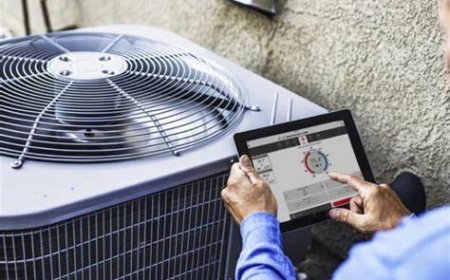
The Building Automation Systems (BAS) and Smart HVAC Simulation equips students with skills in installing and programming BAS to control HVAC systems, lighting, and other building systems in large commercial buildings. Students will engage in virtual scenarios to set up and program BAS systems, optimize energy use, and monitor the indoor climate. Interactive exercises will involve configuring smart thermostats, sensors, and networked devices for automated temperature and airflow control. Real-time feedback will focus on system efficiency, energy consumption, and troubleshooting networked components.

Yield Optimization and Defect Reduction

Explore yield optimization and defect reduction through interactive XR simulations. Analyze manufacturing data, address common defects like contamination and etching errors, and implement strategies to improve process efficiency, product yield, and defect minimization.

Semiconductor Device Design Simulation

Engage in semiconductor device design through interactive XR simulations. Design basic components like diodes, transistors, and integrated circuits using 2D/3D models, explore doping profiles, and evaluate performance characteristics with real-time feedback.

Motor Control Circuits Simulation

Explore the design and troubleshooting of motor control circuits used in industrial automation. In this simulation, students will virtually install and wire motor starters, relays, and control circuits for electric motors. They will program motor control systems, utilizing start/stop buttons, overload protection, and variable speed drives. The simulation offers real-time feedback on system performance, motor control accuracy, and troubleshooting techniques, enhanced with XR for an immersive learning experience.

Geospatial Analysis and Remote Sensing

Explore the power of remote sensing technology and its application in civil engineering projects. Analyze satellite imagery and aerial photographs to map terrain, plan land use, and track urban development. Use geospatial data tools to detect changes in natural resources, land features, and environmental conditions. Receive feedback on data accuracy, interpretation, and the practical integration of this information into infrastructure planning.

LMS Integration

imaginX seamlessly integrates with leading LMS (Learning Management Systems), enabling educators to track student performance and allowing students to maintain their work records. It is compatible with popular platforms such as Canvas, Blackboard, Moodle, Google Classroom, Schoology, Sakai, Brightspace/D2L, and can also be used independently of an LMS.

Platform Features

Unlimited users faculty & students
Simulations
Simulations
Pedagogy Experts
Pedagogy Experts
Gamification
Gamification
Multiplayer
Multiplayer
Networking
Networking
Assignments
Assignments
Auto Grading
Auto Grading
AI
AI
LMS Integartion
LMS Integartion
Go Back Top