imaginX is used by many amazing schools and universities

University / College

Learning Objectives

At the end of this simulation, you will be able to:
  • Learn the installation process for programmable and smart thermostats, including proper wiring and setup.
  • Understand how to configure temperature schedules and Wi-Fi-enabled features for efficient HVAC control.
  • Gain experience in calibrating thermostats to ensure accurate system control.
  • Develop troubleshooting skills related to thermostat settings and performance.
  • Recognize the impact of thermostat calibration on energy efficiency and system performance.

How do virtual labs work?

Enhance students' involvement in science by immersing them in interactive learning scenarios. Create simulations for experiments, provide hands-on training in laboratory techniques, and convey theoretical concepts through captivating visual experiences to improve their overall long-term learning outcomes.

  • Access web-based simulations that are compatible with laptops, Chromebooks, tablets, and iPads, eliminating the need for software installation.
  • Incorporate a teacher dashboard for automated grading and monitoring of student progress.
  • Utilize embedded quizzes to assist students in mastering scientific content.
  • Comprehensive repository of educational materials, including learning resources, lab reports, videos, theory pages, graphics, and more.

Relevant Course Packages All Course Packages

Advanced Welding Techniques (Exotic Metals and Alloys)

The Advanced Welding Techniques (Exotic Metals and Alloys) Simulation provides experience in welding high-performance materials like titanium, Inconel, and other exotic alloys. It offers virtual practice in welding materials that require specialized techniques due to their heat sensitivity, oxidation tendencies, and high strength. Students adjust welding settings, gas flow, and filler materials to meet the unique needs of these advanced metals. Feedback is provided on weld quality, material integrity, and the specific welding methods required for working with these materials.

Building Automation Systems (BAS) and Smart HVAC

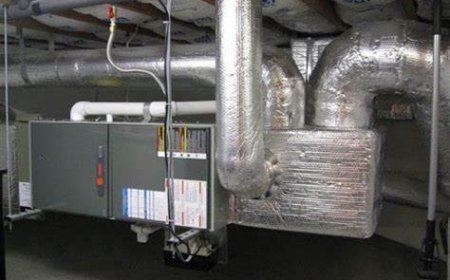
The Building Automation Systems (BAS) and Smart HVAC Simulation equips students with skills in installing and programming BAS to control HVAC systems, lighting, and other building systems in large commercial buildings. Students will engage in virtual scenarios to set up and program BAS systems, optimize energy use, and monitor the indoor climate. Interactive exercises will involve configuring smart thermostats, sensors, and networked devices for automated temperature and airflow control. Real-time feedback will focus on system efficiency, energy consumption, and troubleshooting networked components.

Etching and Deposition Techniques

Gain practical experience in etching and deposition, essential steps in semiconductor fabrication, through immersive XR simulations. Explore virtual labs that simulate dry and wet etching, along with deposition methods like CVD and PVD, with interactive controls and real-time feedback.

Drill Press Operation and Hole Machining

Train students in the safe and efficient operation of a drill press, including drilling, reaming, and tapping operations. Through XR simulations, students will practice drilling holes to precise specifications, adjusting speeds and selecting the right drill bits for different materials. The simulation will allow hands-on experience in workpiece alignment, tool selection, and achieving accurate hole dimensions. Real-time feedback will guide students on maintaining optimal drilling performance, improving hole quality, and mastering chip removal techniques.

Neural Engineering and Brain-Computer Interfaces (BCIs)

Immerse students in the design and testing of neural interfaces that connect the brain to external devices, such as prosthetic limbs and communication aids. Through advanced XR simulations, students will develop and refine brain-computer interfaces (BCIs), analyze EEG signals, and create algorithms for neural control.

Airflow and Duct Design Simulation

The Airflow and Duct Design Simulation trains students in calculating airflow requirements and designing ducts to ensure HVAC systems operate efficiently. The simulation features virtual tools for calculating airflow based on building dimensions and heating/cooling loads. Students engage in interactive duct design exercises, where they size ducts, select materials, and place vents for optimal airflow. Real-time feedback is provided on pressure loss, air distribution efficiency, and adherence to industry standards.

LMS Integration

imaginX seamlessly integrates with leading LMS (Learning Management Systems), enabling educators to track student performance and allowing students to maintain their work records. It is compatible with popular platforms such as Canvas, Blackboard, Moodle, Google Classroom, Schoology, Sakai, Brightspace/D2L, and can also be used independently of an LMS.

Platform Features

Unlimited users faculty & students
Simulations
Simulations
Pedagogy Experts
Pedagogy Experts
Gamification
Gamification
Multiplayer
Multiplayer
Networking
Networking
Assignments
Assignments
Auto Grading
Auto Grading
AI
AI
LMS Integartion
LMS Integartion
Go Back Top