- Recognize the principal organs of the immune system.
- Categorize immune cell types based on their functions in immune responses.
- Elaborate on the significance of lymphocyte clonal selection and deletion mechanisms.
The immune system comprises intricate networks of cells, tissues, and organs collaborating to safeguard our bodies against infections. Delve into the intricate structures and roles of these guardians, which defend us against a multitude of pathogens on a daily basis!
University / College

Enhance students' involvement in science by immersing them in interactive learning scenarios. Create simulations for experiments, provide hands-on training in laboratory techniques, and convey theoretical concepts through captivating visual experiences to improve their overall long-term learning outcomes.
Assist a basketball team in understanding the second phase of cellular respiration, the Krebs cycle, to enhance their endurance and performance during the game.
Employ medical assessments to collect data on patients and assess their cardiovascular systems reactions to varying levels of exercise intensity.
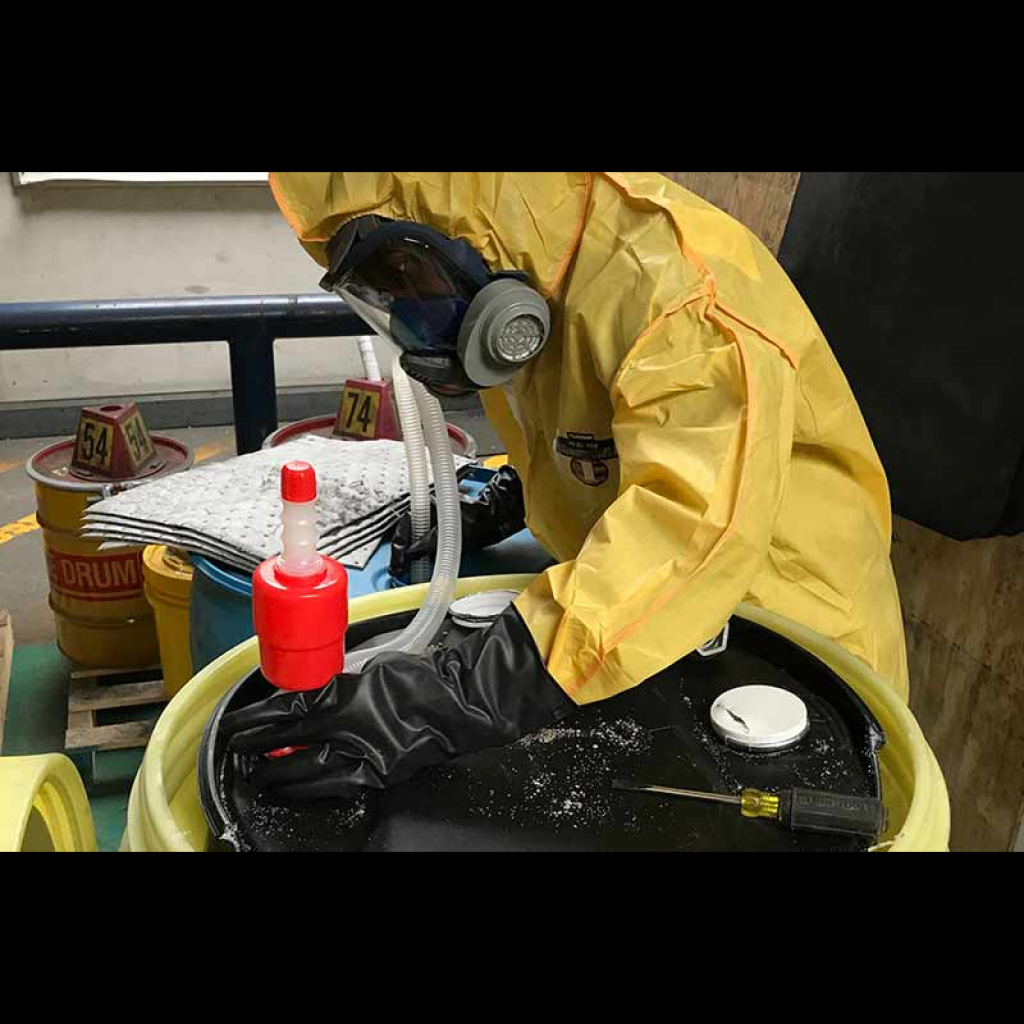
Collaborate with Kim in the Polymer Research Lab to decipher the mystery behind the unexpected formation of side products in their finely tuned cyclohexanol elimination reaction. Apply and extend your understanding of organic chemistry to address this challenge and restore the polymer production to its intended course.
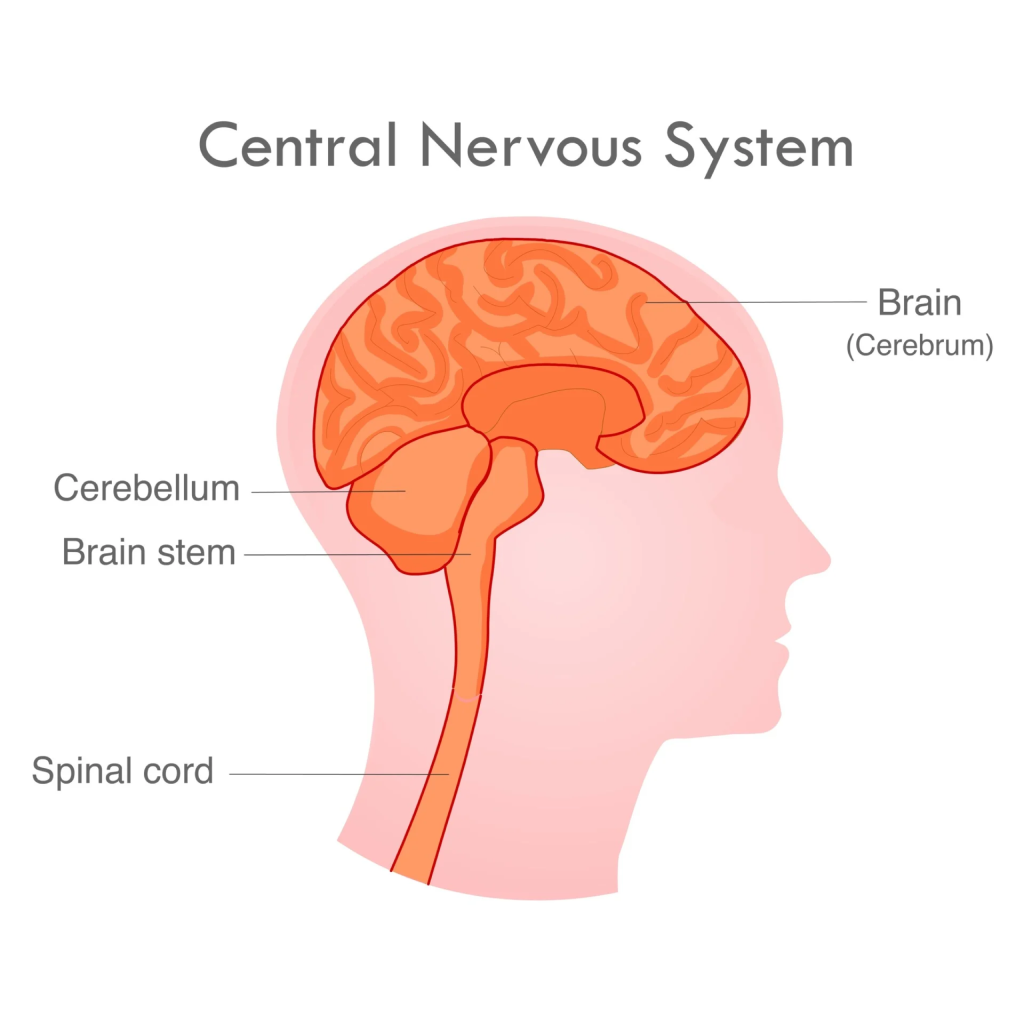
Step into imaginX Anatomy and Physiology laboratory for an exploration of the structures and roles within the central and peripheral nervous systems. Acquire knowledge about the foundational cells and neurons of the nervous system, as well as their intricate communication through synapses.
Can you apply your understanding of food macromolecules to persuade your friend to adopt a more nutritious diet?
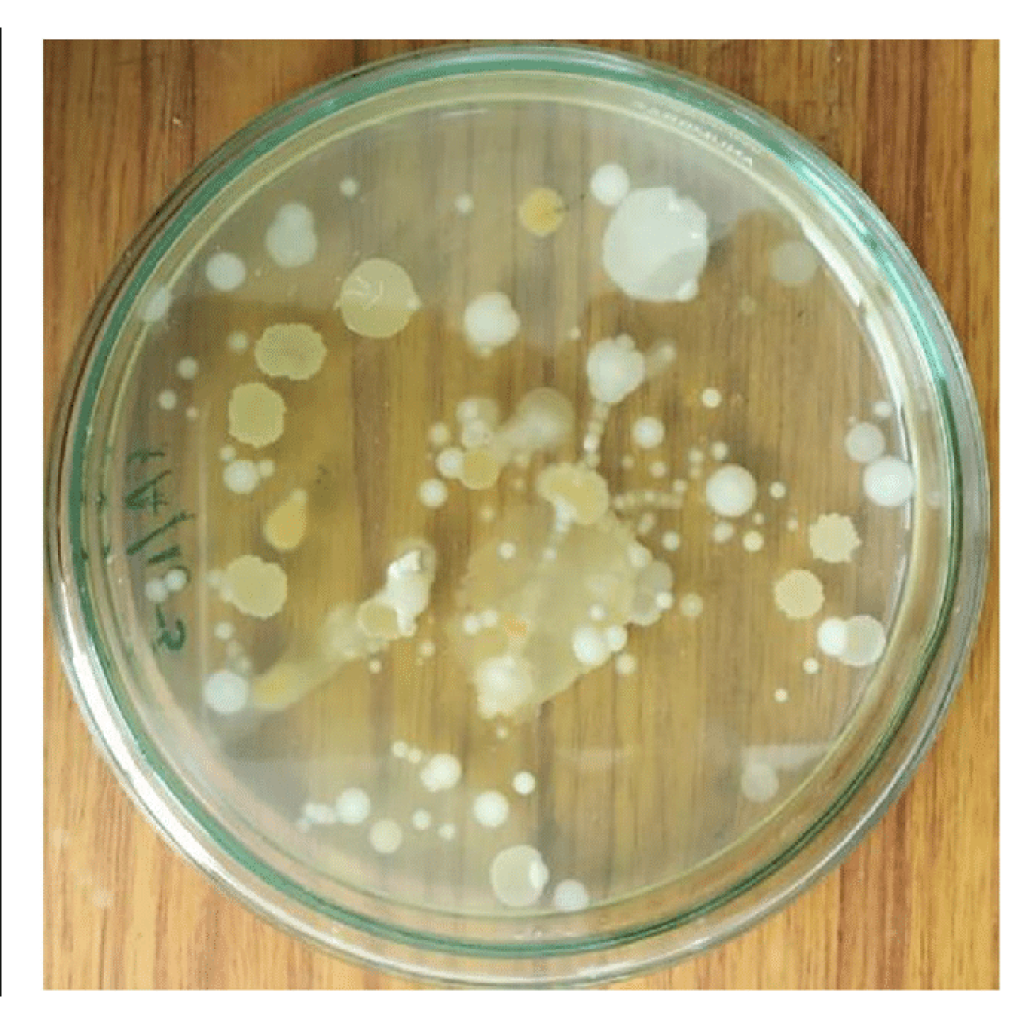
Examine the management of urban wastewater. Can you save a fish population in distress due to pollution?
imaginX seamlessly integrates with leading LMS (Learning Management Systems), enabling educators to track student performance and allowing students to maintain their work records. It is compatible with popular platforms such as Canvas, Blackboard, Moodle, Google Classroom, Schoology, Sakai, Brightspace/D2L, and can also be used independently of an LMS.