imaginX is used by many amazing schools and universities

University / College
Learning Objectives

At the end of this simulation, you will be able to:
  • Contrast primary sex organs with accessory sex organs.
  • Enumerate the female reproductive system components, starting with the site of ovulation, followed by the site of implantation, and ending with the birth canal.
  • Illustrate your awareness of the distinct regions that make up the ovaries, uterine tubes, uterus, and vagina. 

How do virtual labs work?

Enhance students' involvement in science by immersing them in interactive learning scenarios. Create simulations for experiments, provide hands-on training in laboratory techniques, and convey theoretical concepts through captivating visual experiences to improve their overall long-term learning outcomes.

  • Access web-based simulations that are compatible with laptops, Chromebooks, tablets, and iPads, eliminating the need for software installation.
  • Incorporate a teacher dashboard for automated grading and monitoring of student progress.
  • Utilize embedded quizzes to assist students in mastering scientific content.
  • Comprehensive repository of educational materials, including learning resources, lab reports, videos, theory pages, graphics, and more.

Relevant Course Packages All Course Packages

Virtual Lab on Light Microscopy

Examine the microstructural characteristics of the small intestine and acquire knowledge about the strengths and weaknesses associated with light, fluorescence, and electron microscopy techniques.

Virtual Lab - Managing Food Needs and Environmental Considerations in the Nitrogen Cycle

Gain knowledge about the nitrogen cycle and assist a community restaurant owner in grasping the intricacies of sustainable crop cultivation. Simulate the movement of nitrogen through various cycle stages and strike a balance between food production and its environmental consequences.

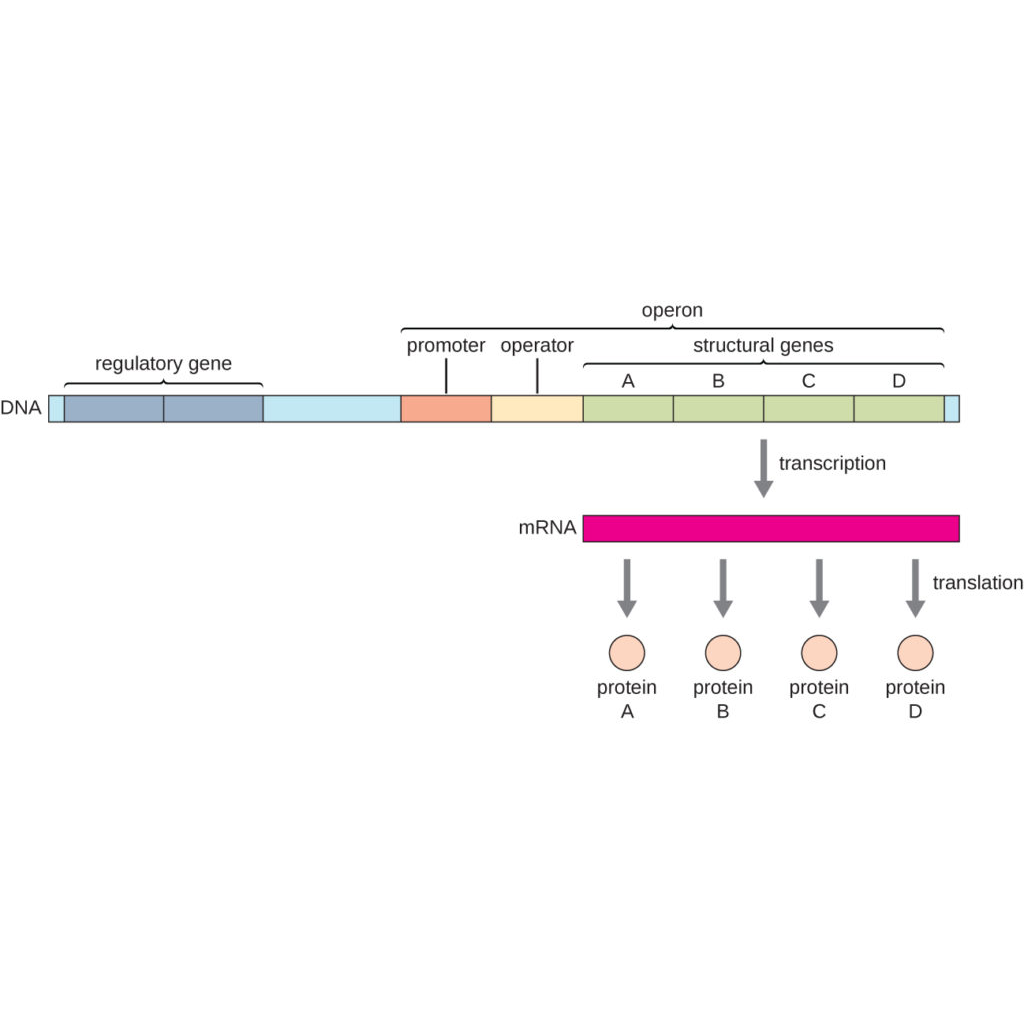
Virtual Lab: Exploring DNA Structure and Function

Conduct an investigation into the basics of human DNA, encompassing its location, structural composition, and its functional role. Prepare an explanation suitable for a perplexed reader of your science magazine.

Virtual Lab: Discover Nervous System Functions for Self-Understanding.

Step into imaginX Anatomy and Physiology laboratory for an exploration of the structures and roles within the central and peripheral nervous systems. Acquire knowledge about the foundational cells and neurons of the nervous system, as well as their intricate communication through synapses.

Virtual Lab: Protein Separation Based on Molecular Weight Using SDS-PAGE

Explore every aspect of SDS-PAGE, starting from the choice of gel and sample preparation, through chamber assembly, and delving into the intricate processes that occur when the current is activated. This procedure enables the separation of proteins based solely on their molecular weight, moving us closer to the identification of the target protein.

Virtual Lab: Understanding Antibodies and the Compatibility of Blood Types

Explore the fundamentals of antibodies, antigens, the ABO blood group system, and the Rhesus factor, and their critical roles in blood transfusions. Next, assist a young couple in assessing the potential risk of Rhesus disease in their upcoming child.

LMS Integration

imaginX seamlessly integrates with leading LMS (Learning Management Systems), enabling educators to track student performance and allowing students to maintain their work records. It is compatible with popular platforms such as Canvas, Blackboard, Moodle, Google Classroom, Schoology, Sakai, Brightspace/D2L, and can also be used independently of an LMS.

Platform Features

Unlimited users faculty & students
Simulations
Simulations
Pedagogy Experts
Pedagogy Experts
Gamification
Gamification
Multiplayer
Multiplayer
Networking
Networking
Assignments
Assignments
Auto Grading
Auto Grading
AI
AI
LMS Integartion
LMS Integartion
Go Back Top