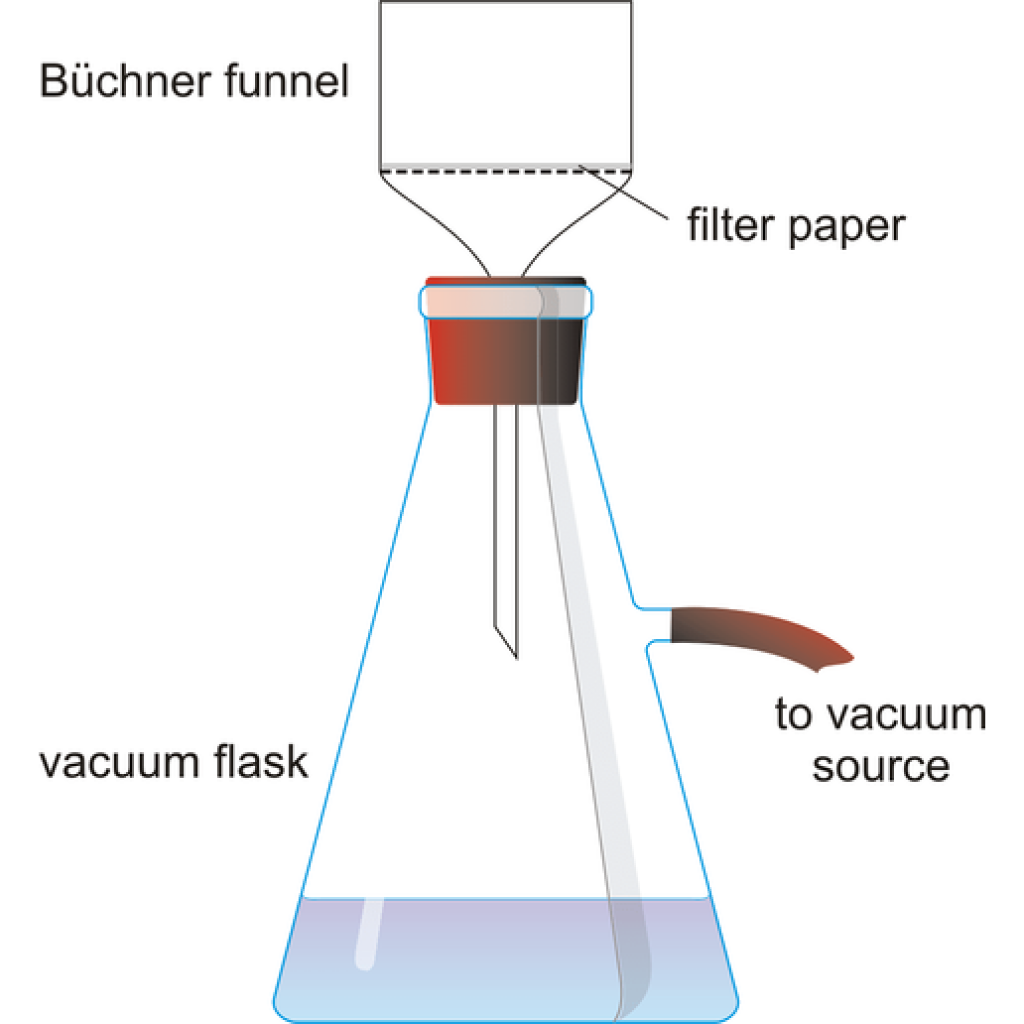
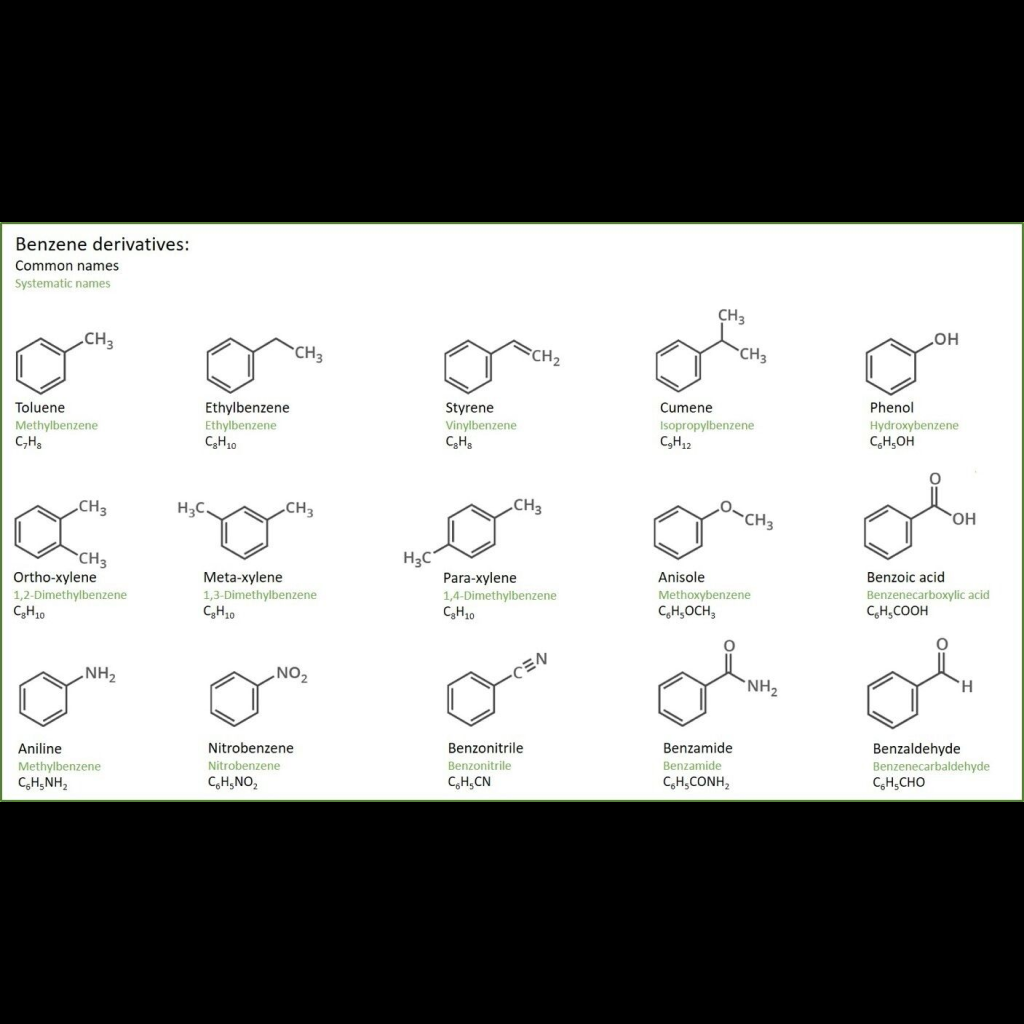
- Identify the most suitable method for isolating individual components from a mixture.
- Establish connections between separation techniques and the specific molecular characteristics they are employed to differentiate.
In this simulation, you will gain proficiency in employing various methods for isolating substances from a mixture. By leveraging the unique characteristics of each component, you will design and implement an experimental protocol to effectively segregate each compound.
University / College

Enhance students' involvement in science by immersing them in interactive learning scenarios. Create simulations for experiments, provide hands-on training in laboratory techniques, and convey theoretical concepts through captivating visual experiences to improve their overall long-term learning outcomes.
Acquire knowledge about physical and chemical changes in the realm of science while attempting to assist a scientist in their escape from a perilous planet.
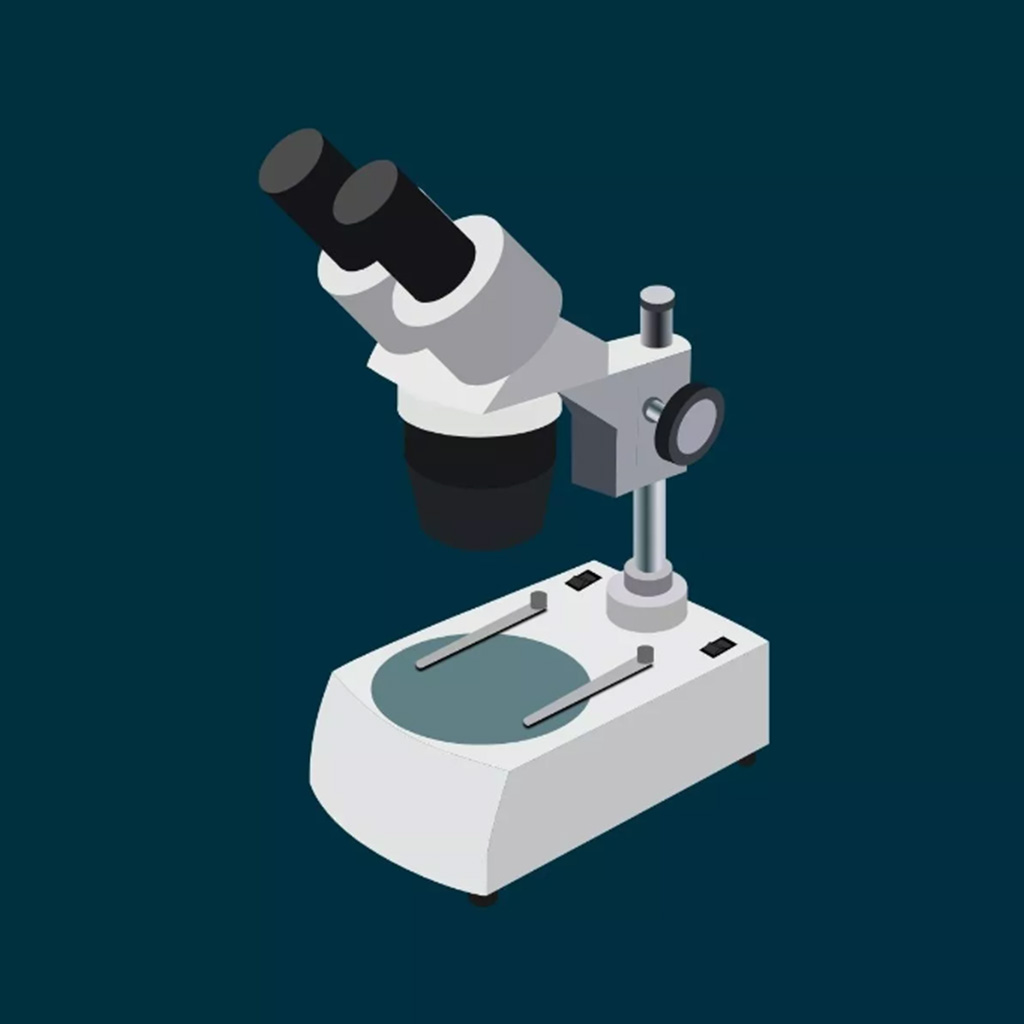
Examine the microstructural characteristics of the small intestine and acquire knowledge about the strengths and weaknesses associated with light, fluorescence, and electron microscopy techniques.
Refine your synthetic abilities in organic chemistry through a process that encompasses crystallization, filtration, yield calculation, and a quality assessment employing the melting point technique: the synthesis of aspirin.
Explore the composition and operation of cellular membranes by propelling cargo molecules towards a simulated cell. Employ the knowledge gained in the laboratory to enhance the well-being of artificial cells, which the principal investigator intends to utilize for insulin production.
Delve into the architecture of proteins and acquire knowledge about the cellular synthesis process. Analyze the protein sequence to discern the distinctions in protein synthesis between prokaryotic and eukaryotic organisms.
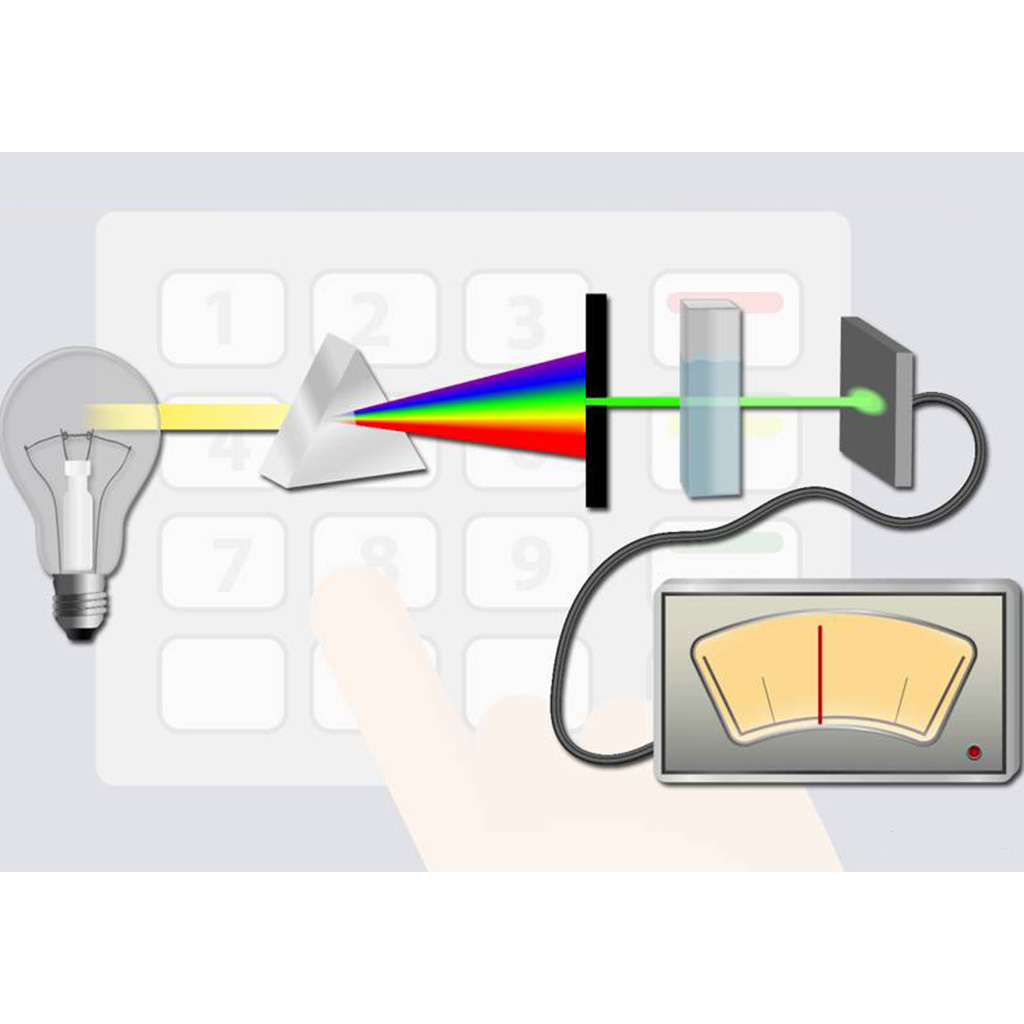
Construct a personalized spectrophotometer for the purpose of measuring the absorbance of a reaction product while on Mars!
imaginX seamlessly integrates with leading LMS (Learning Management Systems), enabling educators to track student performance and allowing students to maintain their work records. It is compatible with popular platforms such as Canvas, Blackboard, Moodle, Google Classroom, Schoology, Sakai, Brightspace/D2L, and can also be used independently of an LMS.