imaginX is used by many amazing schools and universities

University / College

Learning Objectives

At the end of this simulation, you will be able to:
  • Understand how to position the X-ray machine effectively for different imaging needs, using virtual controls for precise adjustments.
  • Gain expertise in modifying exposure time, intensity, and other technical factors to optimize image quality while minimizing patient exposure.
  • Develop hands-on experience with XR tools to interactively adjust machine settings and positioning during virtual X-ray procedures.
  • Receive feedback on the accuracy of machine positioning, settings adjustments, and overall image quality.
  • Learn to troubleshoot common issues related to machine setup and optimize X-ray imaging techniques.


How do virtual labs work?

Enhance students' involvement in science by immersing them in interactive learning scenarios. Create simulations for experiments, provide hands-on training in laboratory techniques, and convey theoretical concepts through captivating visual experiences to improve their overall long-term learning outcomes.

  • Access web-based simulations that are compatible with laptops, Chromebooks, tablets, and iPads, eliminating the need for software installation.
  • Incorporate a teacher dashboard for automated grading and monitoring of student progress.
  • Utilize embedded quizzes to assist students in mastering scientific content.
  • Comprehensive repository of educational materials, including learning resources, lab reports, videos, theory pages, graphics, and more.

Relevant Course Packages All Course Packages

Electrostatic Discharge (ESD) Prevention Simulation

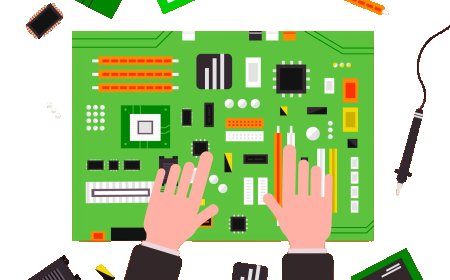
Learn how to prevent Electrostatic Discharge (ESD) damage through interactive XR simulations. Understand the critical measures required to protect sensitive semiconductor devices during fabrication, handling, and packaging processes.

Metal Cutting and Preparation Simulation

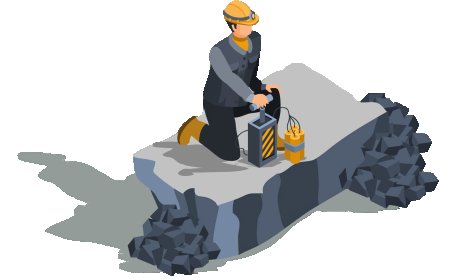
The Metal Cutting and Preparation Simulation immerses users in various metal cutting techniques such as oxy-fuel, plasma cutting, and grinding, all essential for preparing metals for welding. The simulation includes interactive scenarios for cutting different metals and thicknesses, along with grinding and smoothing edges. Feedback is provided on cut precision, surface quality, and preparation to ensure optimal conditions for welding.

Aerodynamics and Fluid Dynamics (CFD)

Explore the principles of aerodynamics and computational fluid dynamics (CFD) to analyze and optimize airflow around aircraft and spacecraft. Experience virtual simulations that allow you to visualize airflow patterns, pressure distribution, lift, drag, and turbulence across aerodynamic surfaces. Experiment with refining wing shapes, airfoils, and control surfaces to enhance flight performance. Gain insights through real-time feedback on aerodynamic efficiency, drag reduction, and flight stability in varying conditions.

Human-Machine Interface (HMI) Design

Equip students with the skills to design and program Human-Machine Interface (HMI) systems for industrial automation. Through virtual simulations, students will create HMI dashboards to monitor and control machinery, systems, and processes. They will interact with various machine parameters, such as system start-up, shutdown, and emergency stop functions, while receiving feedback on user interface design, system responsiveness, and ease of use.

Gas Line Installation and Leak Detection

Gain experience in the installation and maintenance of gas lines for both residential and commercial applications. This simulation covers the selection of appropriate pipe materials, the proper installation of fittings, and techniques for testing gas line pressure. Simulated leak detection is performed using soap bubbles and gas detectors, ensuring safety and preventing gas leaks. Real-time feedback is provided on installation quality, safety practices, and leak prevention methods.

Hydronic Heating Systems

The Hydronic Heating Systems Simulation trains students on hydronic heating systems, which use water to distribute heat throughout a building. Students can practice virtually installing and troubleshooting systems that include boilers, radiators, and piping systems. Interactive exercises focus on adjusting water flow rates, pressure settings, and temperature control for radiant heating. Real-time feedback is provided on system balance, heat distribution, and energy efficiency.

LMS Integration

imaginX seamlessly integrates with leading LMS (Learning Management Systems), enabling educators to track student performance and allowing students to maintain their work records. It is compatible with popular platforms such as Canvas, Blackboard, Moodle, Google Classroom, Schoology, Sakai, Brightspace/D2L, and can also be used independently of an LMS.

Platform Features

Unlimited users faculty & students
Simulations
Simulations
Pedagogy Experts
Pedagogy Experts
Gamification
Gamification
Multiplayer
Multiplayer
Networking
Networking
Assignments
Assignments
Auto Grading
Auto Grading
AI
AI
LMS Integartion
LMS Integartion
Go Back Top