imaginX is used by many amazing schools and universities

University / College

Learning Objectives

At the end of this simulation, you will be able to:
  • Understand the working principles of manual, automatic, and CVT transmission systems.
  • Analyze and design transmission components such as gears, clutches, and synchronizers.
  • Perform gear ratio calculations to optimize performance and efficiency.
  • Examine the mechanics of shifting mechanisms and their effect on vehicle dynamics.
  • Apply XR simulations to assess and improve torque delivery and smooth shifting performance.

How do virtual labs work?

Enhance students' involvement in science by immersing them in interactive learning scenarios. Create simulations for experiments, provide hands-on training in laboratory techniques, and convey theoretical concepts through captivating visual experiences to improve their overall long-term learning outcomes.

  • Access web-based simulations that are compatible with laptops, Chromebooks, tablets, and iPads, eliminating the need for software installation.
  • Incorporate a teacher dashboard for automated grading and monitoring of student progress.
  • Utilize embedded quizzes to assist students in mastering scientific content.
  • Comprehensive repository of educational materials, including learning resources, lab reports, videos, theory pages, graphics, and more.

Relevant Course Packages All Course Packages →

Wind and Solar Energy Systems Simulation

This XR simulation provides training on designing and analyzing renewable energy systems, focusing on wind turbines and solar panels. Virtual simulations allow students to explore the dynamics of wind turbines, including blade aerodynamics and energy conversion efficiency. Students can design solar panel arrays, optimize their angle for maximum energy generation, and evaluate their performance. The simulation offers real-time feedback on renewable energy efficiency, cost savings, and environmental impact, enabling students to make informed decisions about optimizing renewable energy systems.

Mechanics of Solids and Fluids

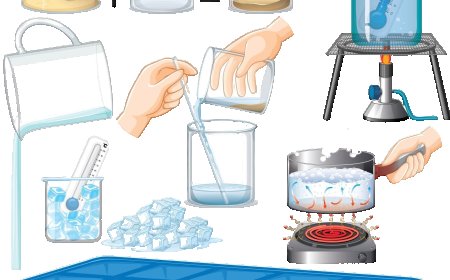
Equip students with the foundational knowledge of solid mechanics and fluid dynamics, key principles in engineering applications. This course focuses on understanding the behavior of solid materials under stress and strain, as well as the movement of fluids within various engineering systems. Students will explore how these principles interact to optimize structural designs and fluid-based systems.

Vibration Analysis and Mechanical Resonance

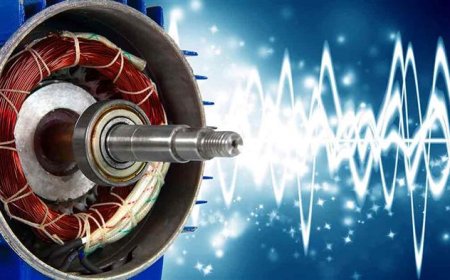
This XR simulation enables students to analyze vibration patterns and mechanical resonance in rotating and reciprocating systems. They will interact with virtual scenarios where they can examine vibration frequencies, amplitudes, and damping within mechanical structures. The simulation guides students through detecting resonance, identifying sources of vibration, and implementing solutions to reduce noise and wear. Real-time feedback will focus on vibration analysis, system stability, and reliability, providing students with the skills to ensure the durability and optimal performance of mechanical systems.

Radiographic Pathology Simulation

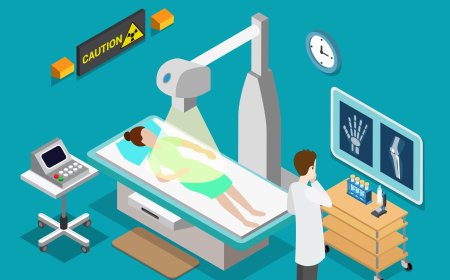
Empower students to identify and diagnose radiographic pathologies using immersive XR simulations, focusing on conditions such as fractures, tumors, infections, and degenerative diseases.

Surgical Instrument Identification and Handling

An immersive XR simulation designed to familiarize students with identifying, handling, and passing surgical instruments during procedures. The program emphasizes precision, timing, and adherence to sterile techniques in a virtual operating room.

Digital Electronics and Logic Design

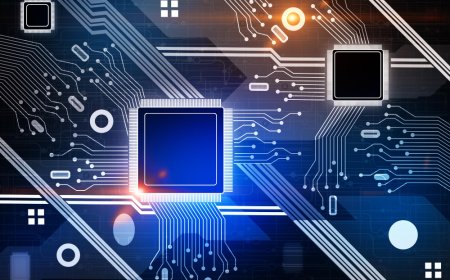
The Digital Electronics and Logic Design module immerses students in virtual labs where they design, simulate, and analyze digital circuits. Through interactive scenarios and hands-on exercises, students work with basic and advanced digital components, gaining insights into logic operations, circuit simplification, and timing analysis in digital systems.

LMS Integration

imaginX seamlessly integrates with leading LMS (Learning Management Systems), enabling educators to track student performance and allowing students to maintain their work records. It is compatible with popular platforms such as Canvas, Blackboard, Moodle, Google Classroom, Schoology, Sakai, Brightspace/D2L, and can also be used independently of an LMS.

Platform Features

Unlimited users faculty & students
Simulations
Simulations
Pedagogy Experts
Pedagogy Experts
Gamification
Gamification
Multiplayer
Multiplayer
Networking
Networking
Assignments
Assignments
Auto Grading
Auto Grading
AI
AI
LMS Integartion
LMS Integartion
Go Back Top